Sun, Sand, and Monograms: How Luxury Fashion Houses Are Redefining Mediterranean Tourism
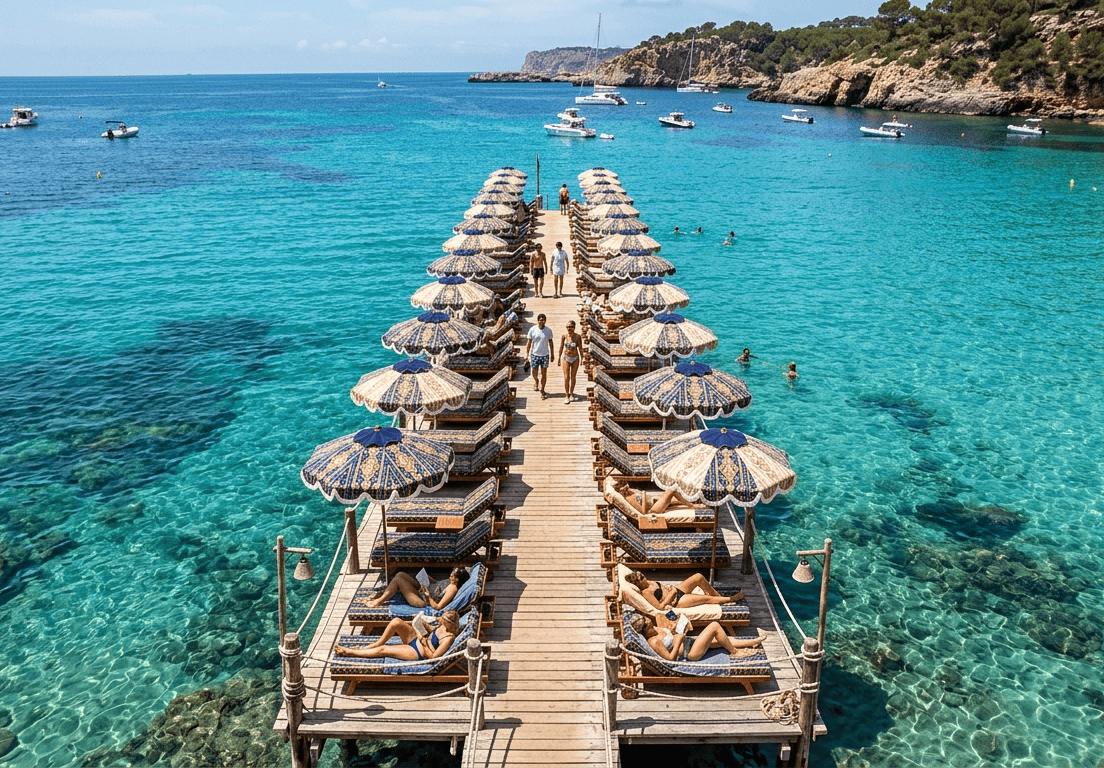
Walk onto the sands of Monte Carlo, the sun-drenched piers of the French Riviera, or the turquoise bays of the Aegean this summer, and one thing becomes immediately clear: the high-fashion runway has migrated to the shoreline.
Where luxury brands once settled for seasonal pop-up boutiques in quiet resort towns, European fashion houses are now execution-focused co-operators of the Mediterranean’s most coveted real estate. From customized sunbeds dressed in signature heritage prints to bespoke beach paddles and curated poolside menus, luxury brands are executing complete visual and operational takeovers of elite beach clubs across France, Italy, Greece, and Turkey.
What began as an experimental marketing novelty has rapidly evolved into a core strategy for high-fashion houses seeking direct, high-yield engagement with ultra-high-net-worth travelers during peak vacation months.
From Window Shopping to Living the Brand
The shift marks a dramatic transition from transactional luxury retail to immersive lifestyle tourism. Consumers no longer just buy a luxury handbag; they spend eight consecutive hours lounging beneath its branded canopy.
In Monaco, Gucci has outfittedLa Rose des Ventswith scalloped parasols and loungers wrapped in its iconic Flora motif—marking the 60th anniversary of the print originally designed for Princess Grace. Along the French Riviera, Burberry has taken over the storied Hôtel Belles Rives in Antibes, replacing traditional seaside linens with a turquoise iteration of its historic check pattern.
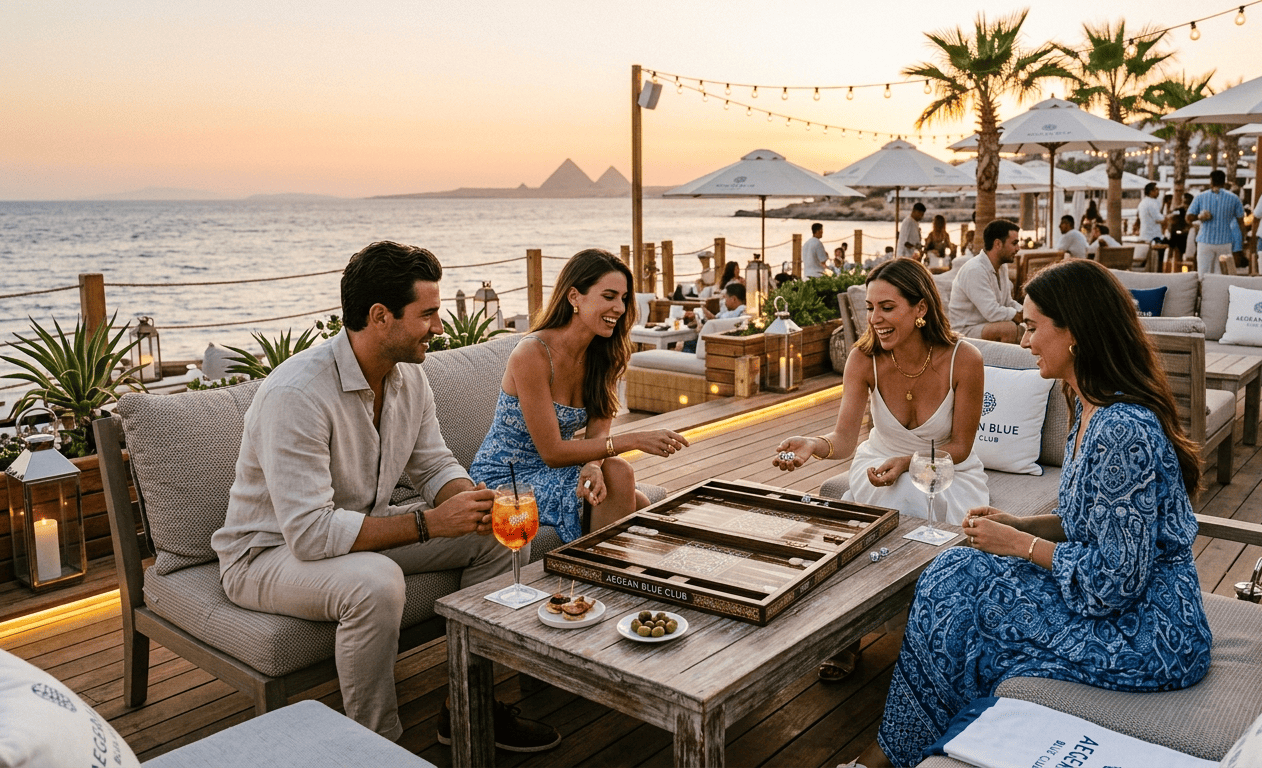
Further east, Simon Porte Jacquemus continues to dominate digital travel feeds through a vibrant takeover at the Mandarin Oriental, Bodrum, where everything from beach buggies to backgammon boards bear the label’s distinct Mediterranean aesthetic.
"High-net-worth consumers are prioritizing experiences over static product displays," explains coastal hospitality consultant Marc Laurent. "A branded beach club creates an emotional link during a high-dopamine moment—vacation. When a guest feels relaxed in a five-star environment, their affinity for the brand skyrockets, alongside their willingness to spend."
The Economics of the Coastal Takeover
The strategy is backed by compelling commercial logic. Traditional luxury retail experiences a seasonal lull in major capitals like Paris, London, and Milan during July and August. By shifting marketing budgets to high-traffic European resort hubs, brands meet their clientele where they actually are.
Rather than relying on static storefronts, this model operates as a multi-tiered revenue engine built on four core pillars:
- Immersive Brand Environments: Custom-designed cabanas, sun loungers, and poolside decor surround high-value guests in an all-day luxury atmosphere.
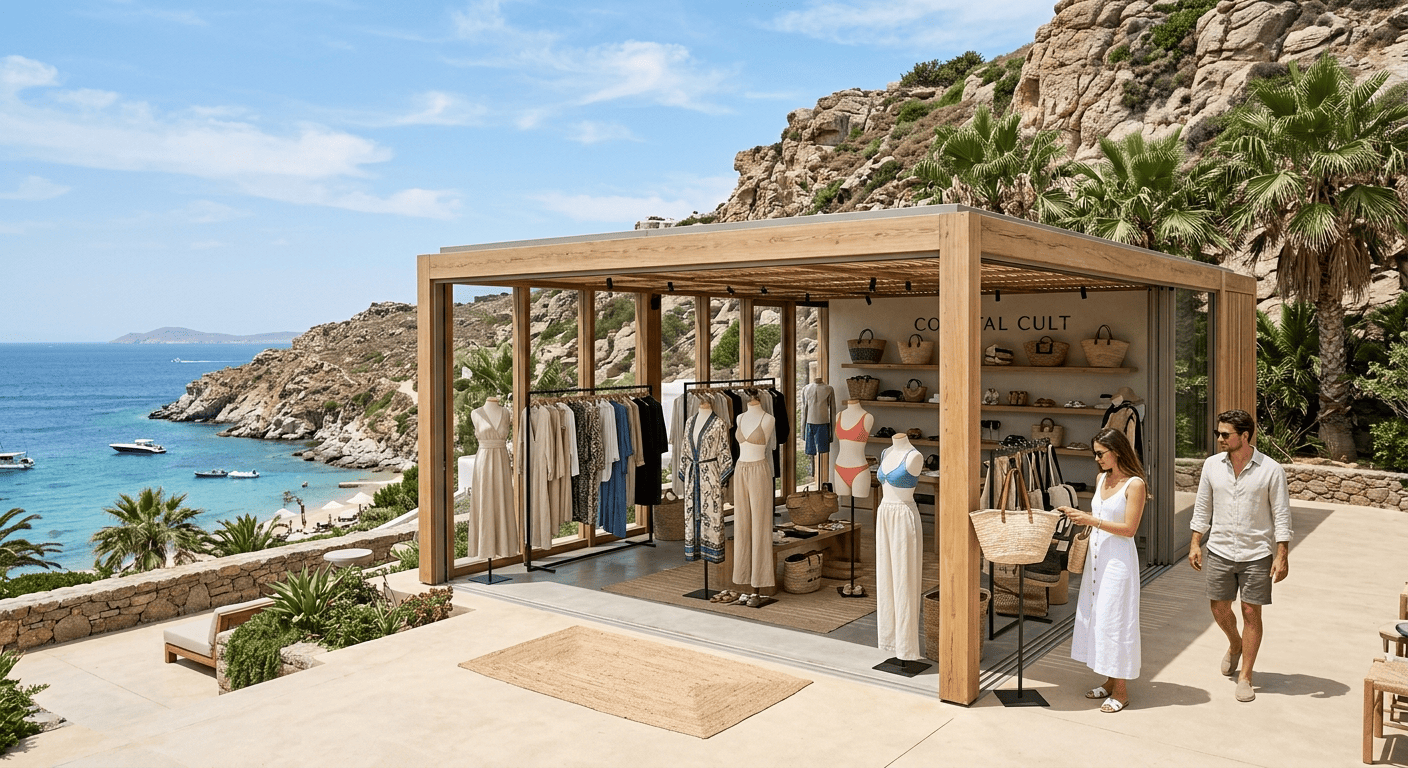
- Captured Micro-Boutiques: On-site resort spaces stocked with exclusive summer capsule collections convert high-yield leisure travelers into immediate buyers.
- Organic Social Amplification: Hyper-curated, aesthetically striking beachscapes encourage guests to produce user-generated content, expanding organic reach across social platforms.
- High-Yield Hospitality Synergies: Co-branded ventures allow fashion houses and five-star resorts to share experience-driven revenue without committing to year-round operational overhead.
A New Horizon for High-End Coastal Travel
As competition for affluent travelers intensifies across Europe’s coastlines, fashion-hospitality partnerships are expanding beyond the traditional Western Mediterranean. Destinations along the North Coast of Egypt, the Balearic Islands, and the Athenian Riviera are rapidly emerging as prime locations for future branded summer developments.
For the hospitality sector, the implication is clear: luxury travel is no longer just about pristine water and five-star service. It is about aesthetic immersion. In today's Mediterranean travel landscape, the sunset view is only as good as the designer monogram framing it.