WTTC Issues UK Tourist Tax Warning: Uncapped Levies Risk £14.4B Visitor Spending Deficit
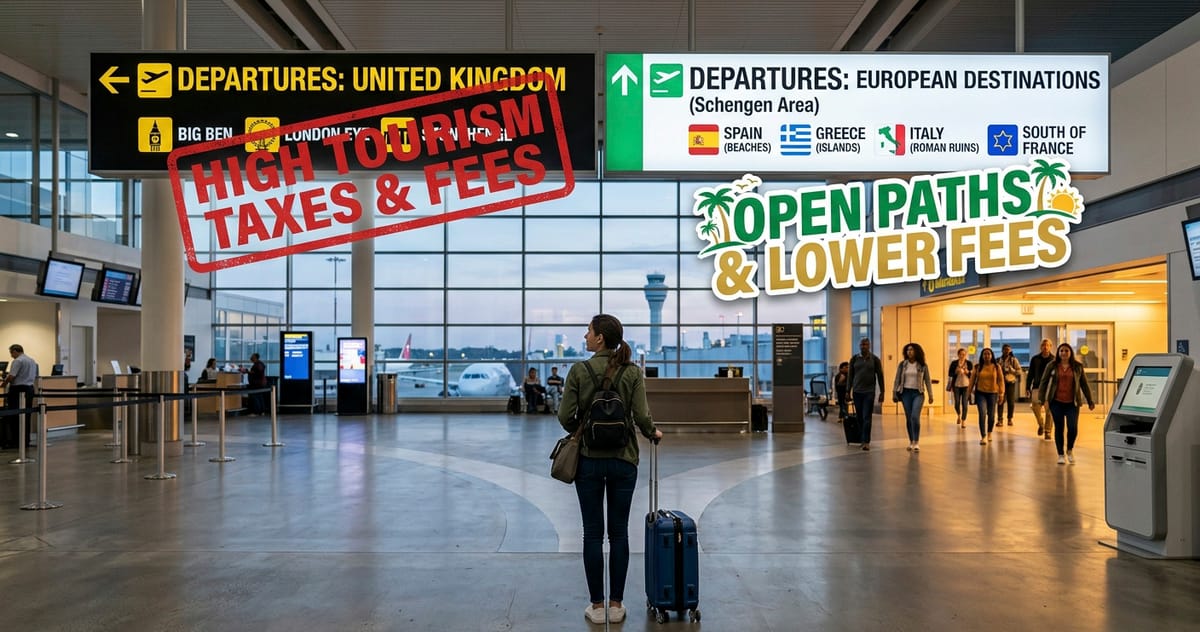
The UK travel industry is voicing strong opposition following official confirmation that mayors and local authorities across England will receive powers to introduce regional overnight visitor levies.
The World Travel & Tourism Council (WTTC) issued a stark warning that uncapped, percentage-based accommodation charges risk damaging the UK's global competitiveness, driving both international tourists and domestic holidaymakers toward competing European markets.
The Proposed Policy & Industry Reactions
The government's plan grants English mayors the authority to levy percentage-based charges on overnight stays across hotels, short-term rentals, bed & breakfasts, and holiday cottages. While local councils view the tax as a mechanism to fund local public services and tourism infrastructure, major trade associations—including ABTA, UKinbound, and UKHospitality—have lined up alongside the WTTC to express concern.
Unlike fixed-rate models, percentage-based fees disproportionately penalize higher-tier accommodation options, adding significant costs to consumer bookings. Trade body UKHospitality cautioned that an unlimited levy structure could price working families out of domestic holidays, citing independent economic modeling suggesting the policy could eliminate up to 33,000 jobs and cost the economy £2.2 billion in lost GDP.
Staggering Projected Economic Impact
Research published by the WTTC highlights how sensitive travelers have become to rising accommodation costs:
- International Shift: Approximately 29% of travelers from key inbound markets—the United States, France, and Germany—stated they would consider choosing an alternative destination or canceling their trip if faced with a €10 overnight tax.
- Domestic Retention Drops: 39% of UK residents indicated they would holiday abroad or forgo domestic travel entirely if a £10 per night levy were added to their accommodation bill.
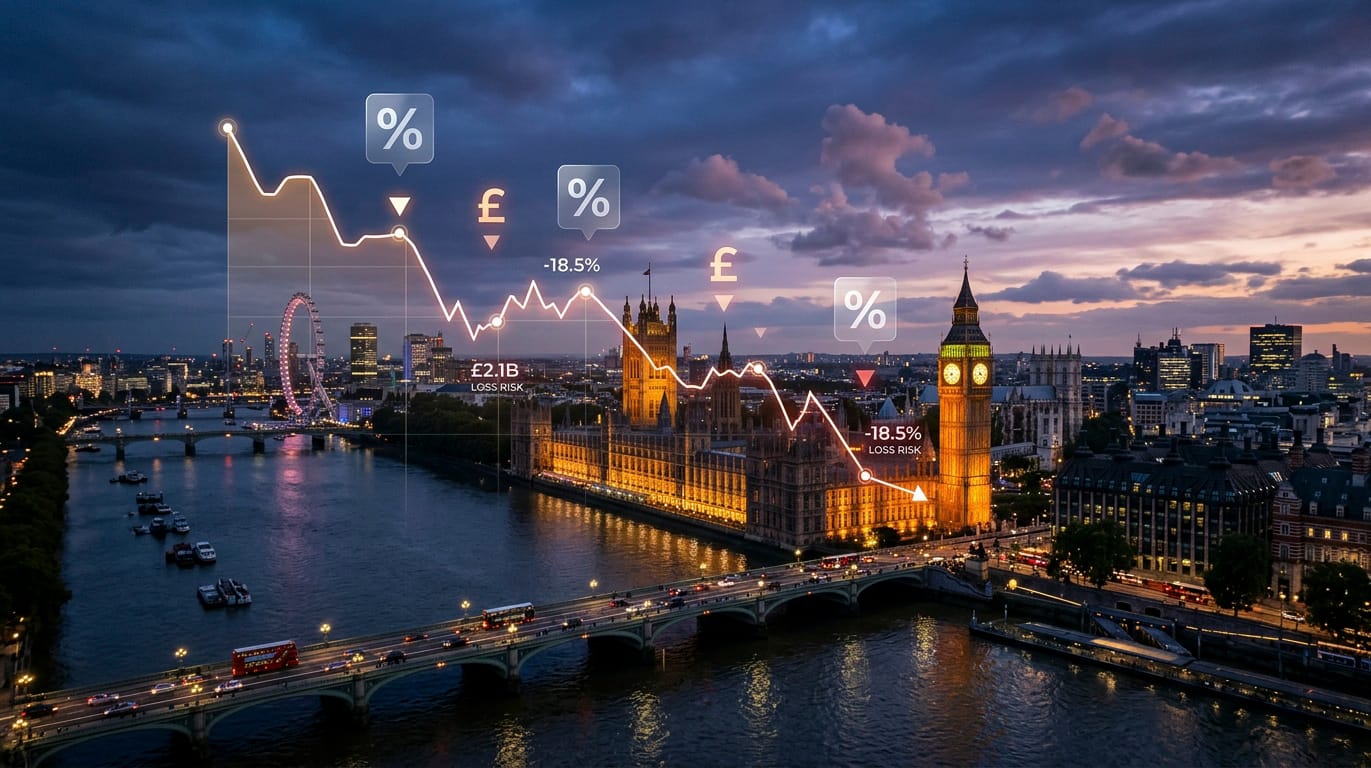
- £14.4 Billion Risk: WTTC estimates reveal that under a £10 tax scenario, international visitor spending in the UK could shrink by up to £14.4 billion by 2027.
Gloria Guevara, President and CEO of WTTC, stressed that the UK should focus on making travel simpler and more affordable. "Travellers have choices, and if the UK becomes less competitive, they will take their spending elsewhere," Guevara warned, noting that reduced footfall damages small and medium-sized enterprises (SMEs)—such as local restaurants, retail shops, and regional transport providers—far beyond the hotel sector.
Balancing Local Revenues with Destination Competitiveness
As English regions evaluate implementing these new levies, industry stakeholders are urging government ministers to intervene during the policy implementation period. Industry groups advocate for a nationally consistent, capped model to avoid a confusing patchwork of local tax rates across neighboring English counties.
Without national ceilings or guaranteed reinvestment frameworks to route tax proceeds directly back into destination marketing, the WTTC cautions that short-term council revenue gains could ultimately cause long-term harm to the UK's broader tourism economy.