Egypt Reports Surge in Cultural Tourism as Heritage Destinations Lead National Record
Egypt’s tourism industry has hit an unprecedented milestone, driven by a dramatic surge in arrivals across the nation’s iconic heritage sites and historical corridors.
Official data released by the Ministry of Tourism and Antiquities confirms that Egypt welcomed nearly 19 million international visitors over the past 12 months—a 21% year-on-year increase that significantly outpaces the 5% global average growth rate tracked in UN Tourism global data. Total tourism revenues reached $16.7 billion USD, cementing the sector's standing as a cornerstone of foreign currency earnings as Egypt targets 30 million annual visitors by the end of the decade.
While Red Sea coastal resorts continue to draw steady beach traffic, the primary engine driving this historical peak is cultural and archaeological tourism. Historic landmarks and state museums across Giza, Luxor, Aswan, and Cairo recorded 18.6 million visits—reflecting a 33.5% surge compared to the previous period.
Restoration, Access, and the GEM Factor
The resurgence follows multi-year investments in site restoration, infrastructure modernization, and expanded Giza Pyramids visitor capacity around ancient monuments.
"These results validate a comprehensive state strategy focused on elevating the visitor experience, restoring high-capacity tombs, and modernizing surrounding infrastructure," said Minister of Tourism and Antiquities Sherif Fathy in a statement on the sector's performance. "Egypt’s historic destinations are demonstrating world-class competitiveness in attracting high-yield international travel."
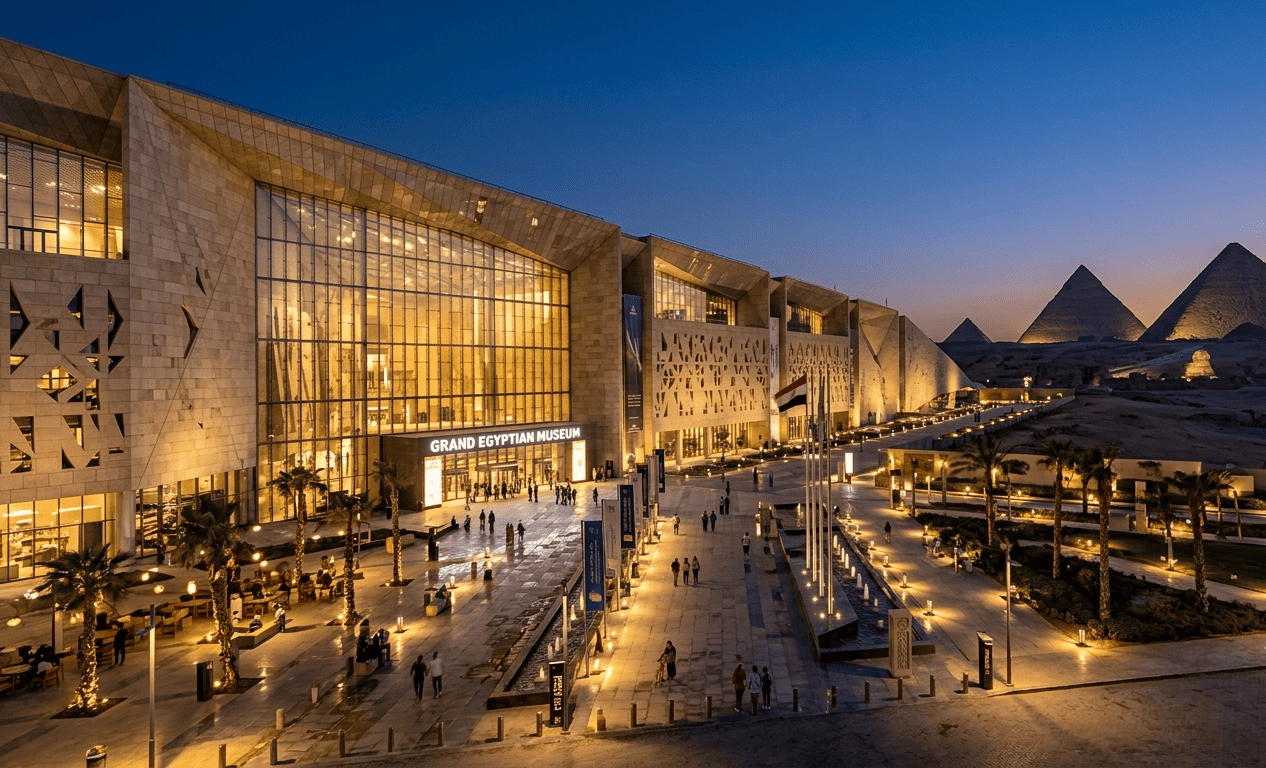
A central catalyst for this momentum is the full operational launch of the Grand Egyptian Museum. Situated on 120 acres adjacent to the Giza Pyramids, the flagship complex houses more than 100,000 artifacts, including the complete Tutankhamun collection for the first time. The facility has expanded daily visitor capacity in Greater Cairo while extending average traveler stay durations.
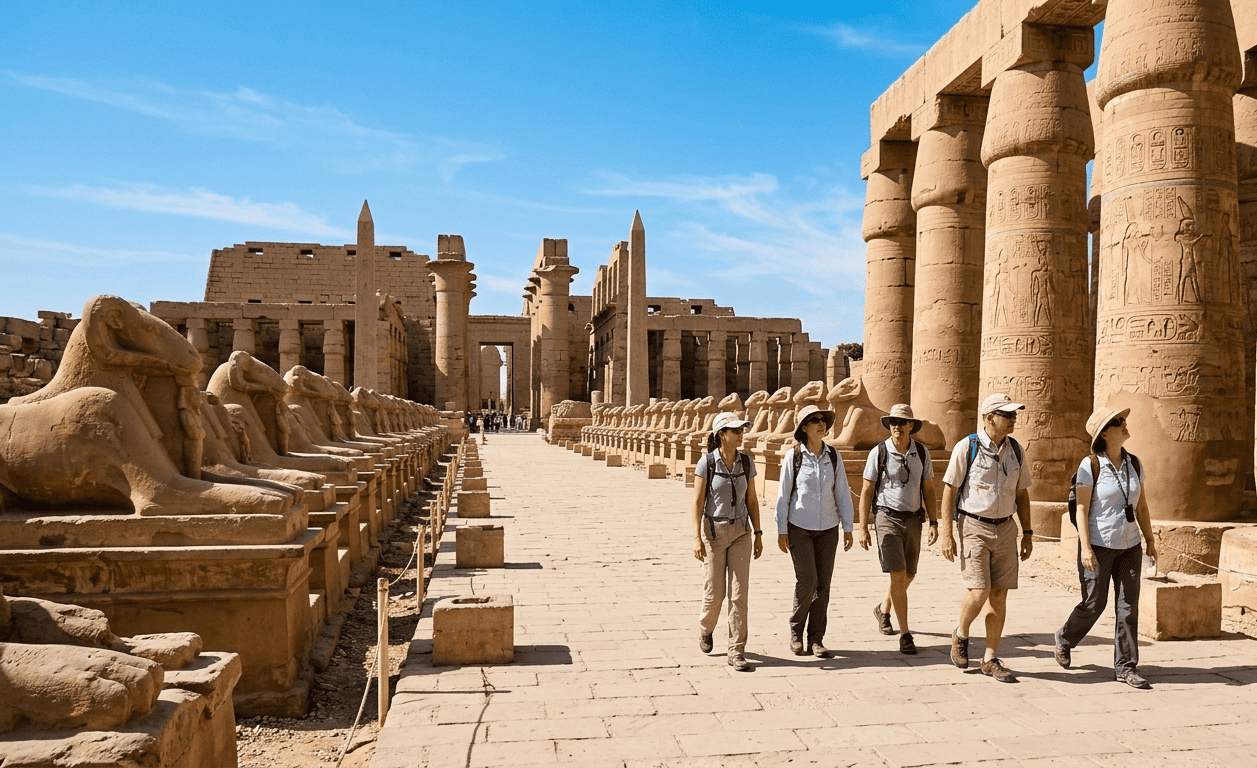
Concurrently, heavy foot traffic has returned to the Southern Nile Valley. The twin hubs of Luxor and Aswan experienced record hotel occupancy during the peak winter season, bolstered by enhanced Luxor and Aswan Nile cruises and the opening of newly restored tombs in the Valley of the Kings and Karnak Temple complex.
Aviation Connectivity and Structural Catalysts
Physical access to heritage zones has improved following coordinated state investments in civil aviation, transit infrastructure, and site management.
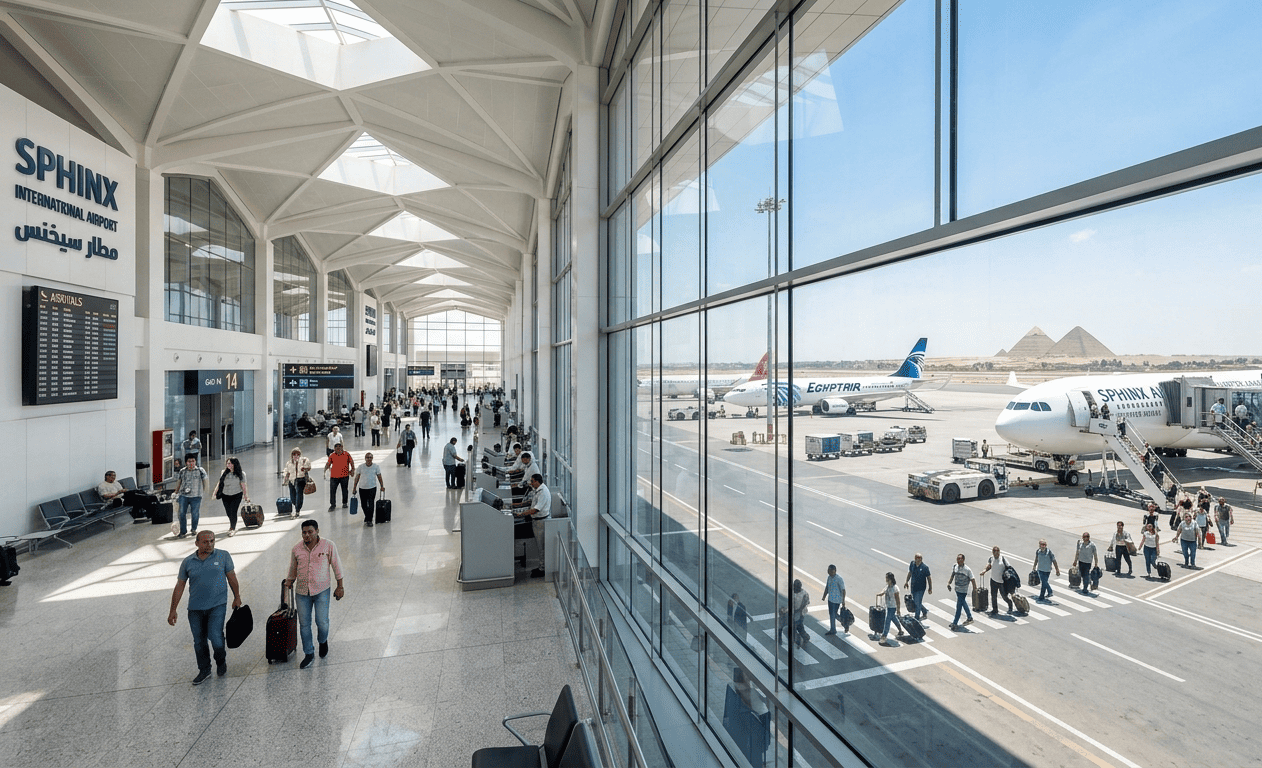
According to data from the Ministry of Civil Aviation, international charter flight traffic to Egyptian destinations expanded by 32%. Key entry gateways—including Cairo International Airport, Sphinx International Airport (serving the Giza plateau), and Luxor International Airport—recorded significant operational gains.
Four core operational drivers have propelled this heritage expansion:
- Aviation Network Expansion: Direct connectivity surged, anchored by a 32% national rise in international charter flights connecting over 190 foreign cities directly to Egyptian heritage hubs.
- Integrated Regional Transit: High-speed rail networks and strategic highways now seamlessly bridge Greater Cairo with the Upper Egypt historic corridor around Luxor and Aswan.
- Digital Heritage Management: The nationwide rollout of electronic ticketing, automated access gates, and timed entry limits has reduced bottlenecking at high-demand tombs and temples.
- Source Market Diversification: High demand across traditional European markets—led by Germany, the UK, Italy, and France—was augmented by double-digit growth in arrivals from East Asia and North America.
The strategic positioning of Sphinx International Airport, in particular, has allowed international tour operators to package direct cultural itineraries that bypass inner-city transit friction, landing travelers within minutes of the Pyramids and the GEM.
Economic Impact and Future Horizon
With revenues climbing past $16.7 billion USD, the sector directly supports millions of jobs while funding ongoing archaeological preservation.
Industry leaders credit public-private coordination for sustaining momentum while expanding capacity to meet long-term national targets.
"National security, infrastructure modernization, and seamless collaboration between airlines and local operators have created an attractive investment climate," said Hossam al-Shaer, Chairman of the Egyptian Tourism Federation. "Egypt is firmly positioning itself as the global destination for authentic, high-value cultural experiences."
With government policy directed toward welcoming 30 million visitors annually by 2030, current growth trajectories indicate that historical and archaeological assets will remain the foundational engine driving Egypt's tourism strategy.