Chinese Outbound Tourism Surges Across the Middle East as Travel Patterns Shift
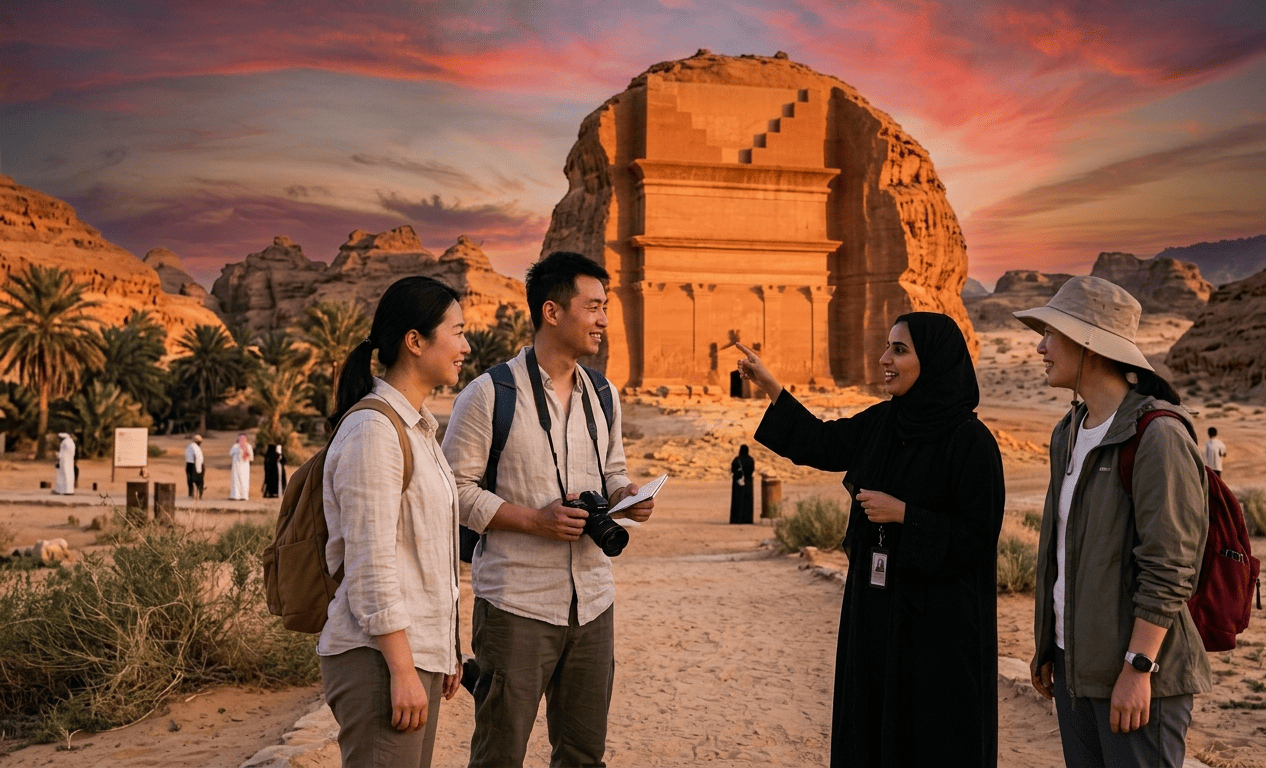
Affluent Chinese travelers are returning to international itineraries with a distinct change in priority, and Middle Eastern destinations are reaping the rewards.
Driven by reciprocal visa waivers, expanded direct flight routes, and tailored hospitality, tourism boards across the Gulf Cooperation Council (GCC) report a sharp uptick in arrivals from Mainland China. Unlike pre-pandemic group tours centered primarily on retail shopping, this new wave of Chinese visitors prioritizes experiential luxury, heritage exploration, and single-destination cultural immersion.
According to industry projections highlighted in the WTTC Research Portal, Chinese leisure spending across the Middle East is set to rise by roughly 130% over the coming years. This influx is cementing the region as one of the fastest-recovering markets for high-value Chinese outbound travel.
Key Drivers Behind the Growth
- Expanded Visa Access: Fully realized visa waivers for the United Arab Emirates and Qatar, alongside streamlined visa-on-arrival policies across the GCC, have dramatically reduced travel friction.
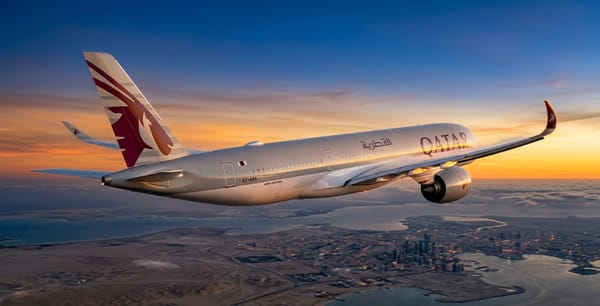
- Direct Flight Connectivity: Air route capacity between Greater China and Saudi Arabia grew by over 90% year-over-year, fueled by strategic expansions from carriers like Saudia, China Southern, and Emirates.
- Approved Destination Status (ADS): Saudi Arabia’s formal ADS designation allows organized group travel and direct marketing within Mainland China, helping the Kingdom pursue its Saudi Vision 2030 target of welcoming 150 million annual visitors.
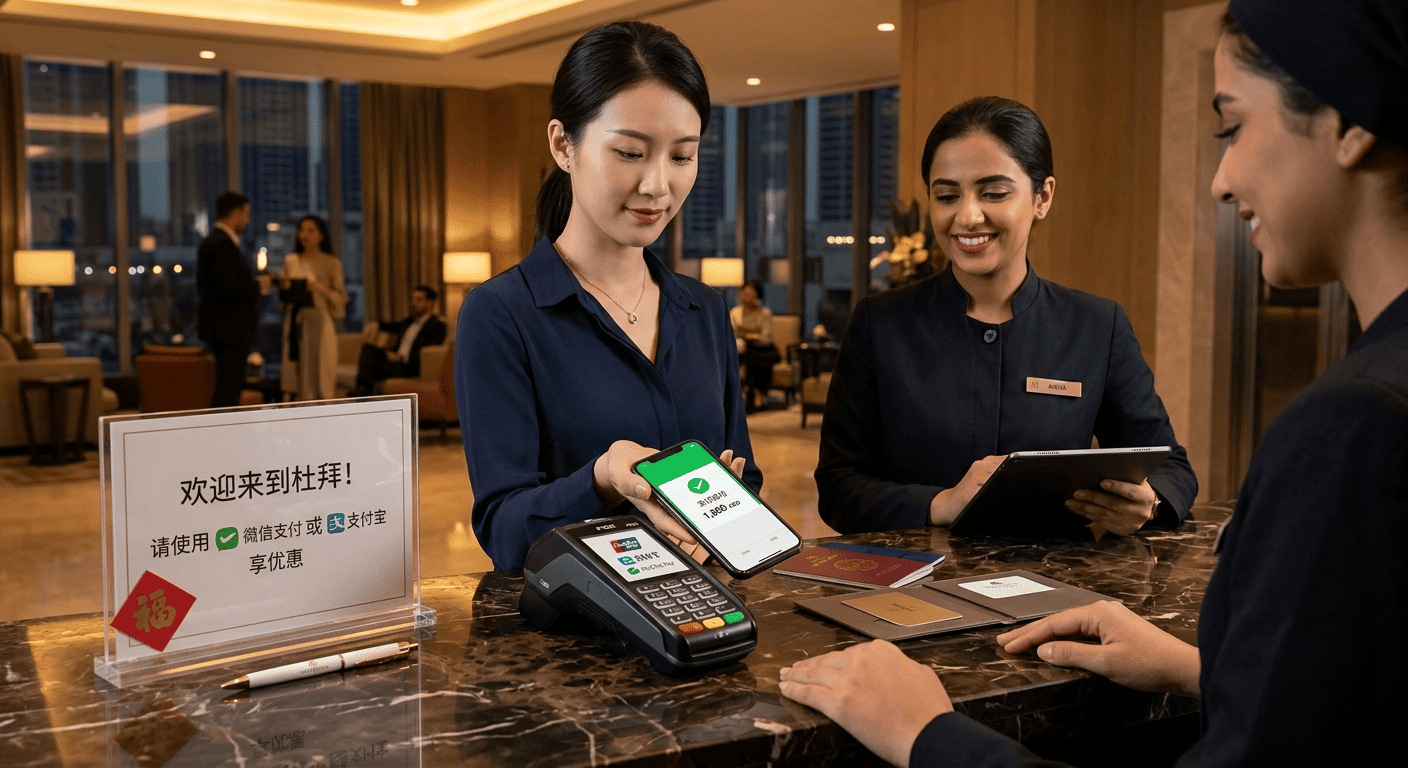
- Tailored Infrastructure: Major airports and luxury resorts across Dubai, Abu Dhabi, and Riyadh have introduced Mandarin signage, UnionPay integration, and Alipay/WeChat Pay checkout options to accommodate preferences.
Shifting Traveler Demographics
While group tours still account for a steady share of the market, local operators report that fully independent travelers (FIT) and younger demographics are driving the majority of new bookings. Recent data published in the UN Tourism Barometer underscores that high-net-worth individuals are currently the fastest-growing segment in international travel, with trip budgets frequently exceeding $3,500 per traveler.
Instead of packed multi-country itineraries, visitors are booking longer stays focused on specific experiences—such as stargazing resorts in AlUla, heritage tours in Diriyah, and high-end culinary experiences promoted viaDubai Economy and Tourismportal initiatives.