Beyond the Hallyu Wave: How South Korea’s Tourism Boom Turned a Deficit Into a Record Surplus
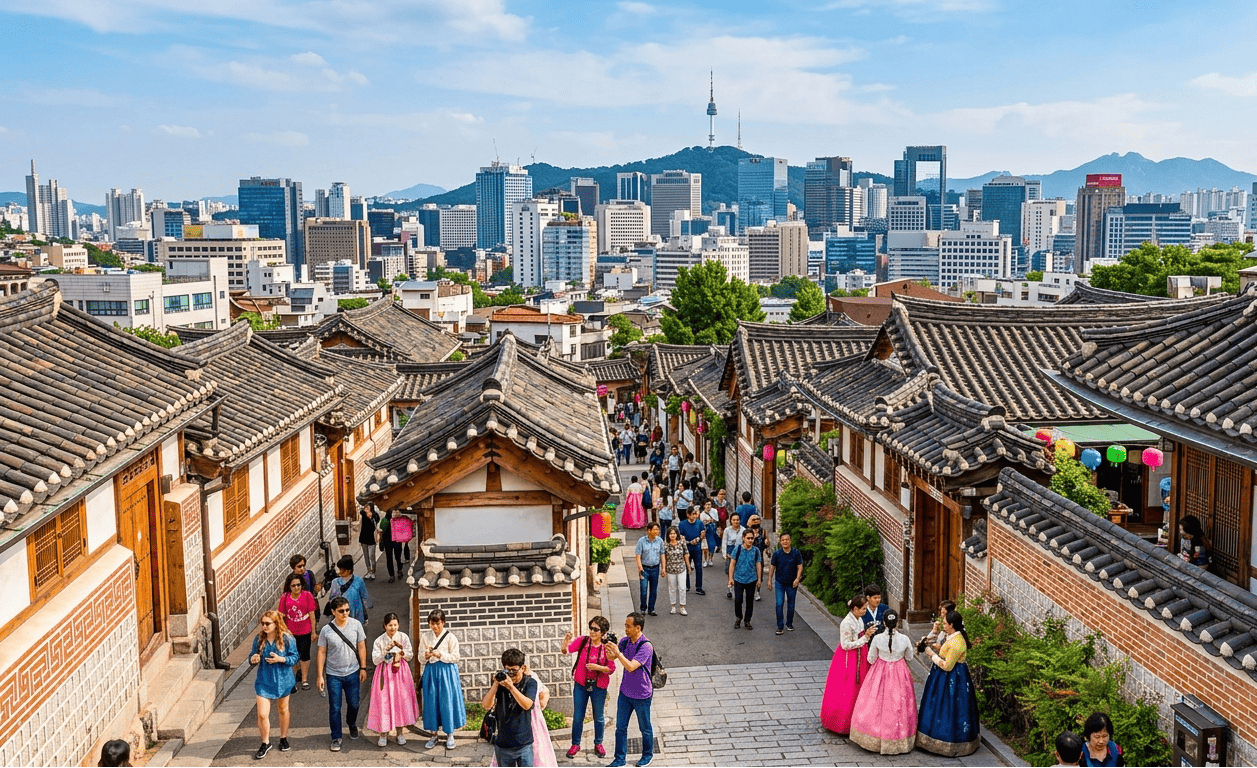
For years, South Korea faced a predictable economic routine when it came to international travel. While millions of South Koreans flew overseas for holidays, foreign visitor spending rarely matched the outbound cash flow. The country’s travel account stayed in the red for a staggering 72 consecutive months.
That streak has officially broken. Driven by global demand for Korean pop culture, expanding regional destinations, and higher spend per visitor, South Korea’s tourism balance recently swung back into the black, reaching a near-record monthly surplus of $596.6 million.
This isn't just a post-pandemic rebound—it is a structural shift in how the world consumes South Korean culture and experiences the peninsula.
The Numbers Behind the Turnaround
South Korea’s tourism balance had been stuck in a multi-billion-dollar annual deficit. The turnaround began quietly earlier this spring, but June brought undeniable proof of a massive shift:
- Surplus Scale: A single-month surplus of $596.6 million, up from an $846.8 million deficit during the same period a year earlier.
- Historical Context: This marks the second-highest monthly tourism surplus on record, trailing only the peak set in October 2008.
- Total Revenue: Tourism revenue hit $2.78 billion in a single month.
- Higher Spend Per Traveler: Inbound international visitors spent an average of $1,397 per person, comfortably outpacing the average amount South Koreans spent while traveling abroad ($1,091).
Data published by the Korea Tourism Organization confirms that inbound tourism volume is rising alongside traveler spend. Visitors are staying longer, doing more than quick weekend trips, and spending heavily on local experiences.
What Is Driving the Inbound Rush?
1. K-Culture Moves From Screen Time to Travel Itineraries
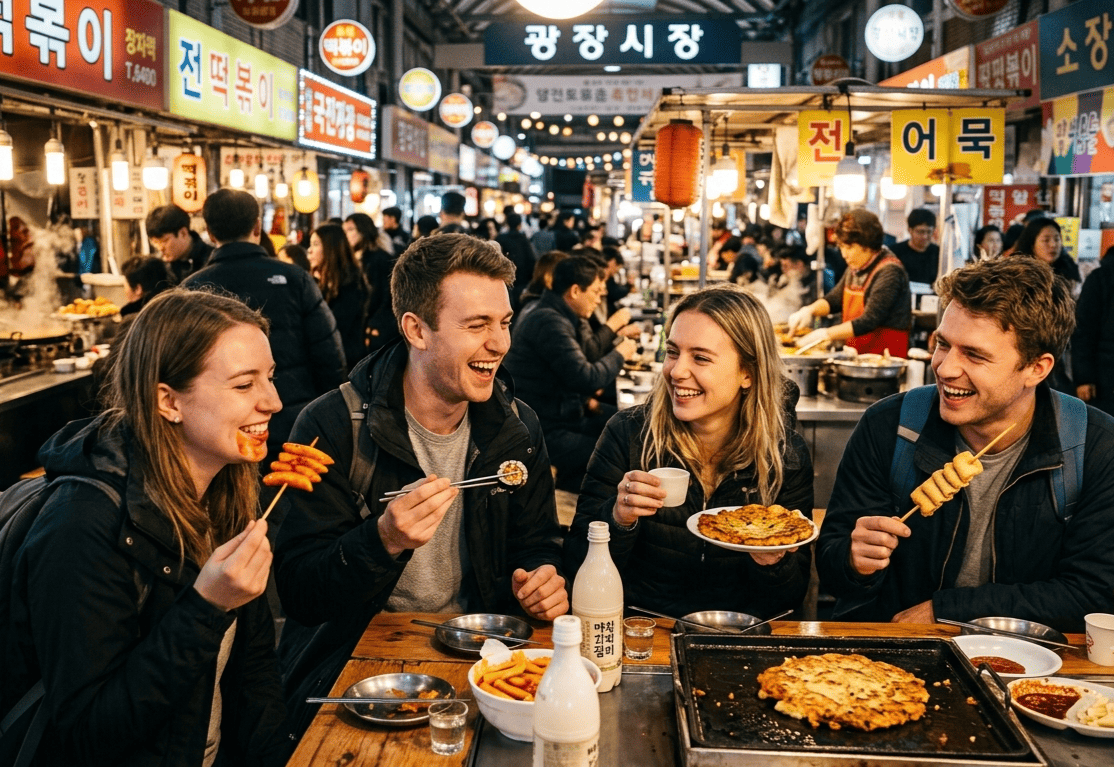
The global obsession with K-pop, K-dramas, and Korean beauty has shifted from digital engagement to physical travel. Foreign fans are no longer just streaming tracks or buying skincare online; they are booking flights to attend concerts, visit filming locations, and sample regional street food firsthand.
2. High-Value Cultural and Culinary Experiences
The modern traveler to Korea isn't relying on low-cost package tours. Visitors are seeking higher-end experiences: Michelin-starred dining in Seoul, high-tech wellness spa retreats, luxury skincare consultations, and specialized craft workshops. This behavioral pivot directly correlates with the rising per-person expenditure figures tracked by the Bank of Korea.
3. High Overseas Travel Costs Keep Locals Grounded
The trade surplus wasn't driven solely by incoming tourists; domestic behavior played a role too. High international flight prices, expensive fuel surcharges, and a shifting foreign exchange rate convinced many South Korean residents to skip overseas vacations in favor of domestic "staycations". This kept local money inside the economy while foreign cash poured in.
Expanding Beyond Seoul and Busan
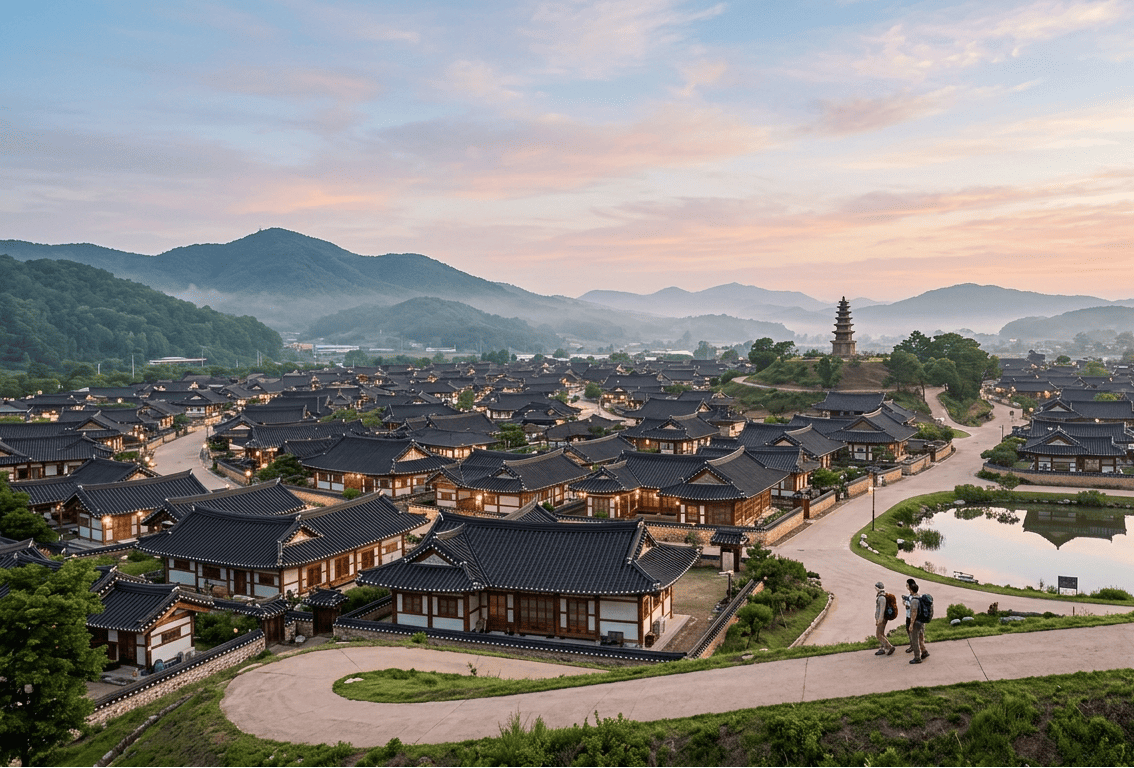
While classic destinations like Myeongdong, Gangnam, and Busan remain packed, sustaining long-term tourism growth requires distributing visitor flow across the country.
Regional cities are stepping up:
- Jeonju: Drawing food lovers eager to taste traditional Hanok-style culinary heritage.
- Gangwon Province: Attracting outdoor enthusiasts and wellness seekers to its mountain trails and coastal stops.
- Gyeongju: Bringing historical tourism alive through ancient Silla Kingdom sights and preserved traditional neighborhoods.
Spreading visitors into smaller cities eases overcrowding in Seoul while injecting tourist dollars directly into local regional economies.
The Path Ahead: Keeping the Surplus Alive
Turning a long-running deficit into a record surplus is a major milestone, but maintaining it requires deliberate investment. Industry experts emphasize that South Korea must continue improving regional transit networks, expanding multi-language support outside main urban centers, and avoiding over-tourism issues in popular areas like Bukchon Hanok Village.
If South Korea can balance high-tech urban convenience with sustainable regional travel, its tourism industry will move from a temporary spike to a long-term economic engine.