Beyond the Final Whistle: U.S. Tourism Faces Its Biggest Loyalty Test After the World Cup
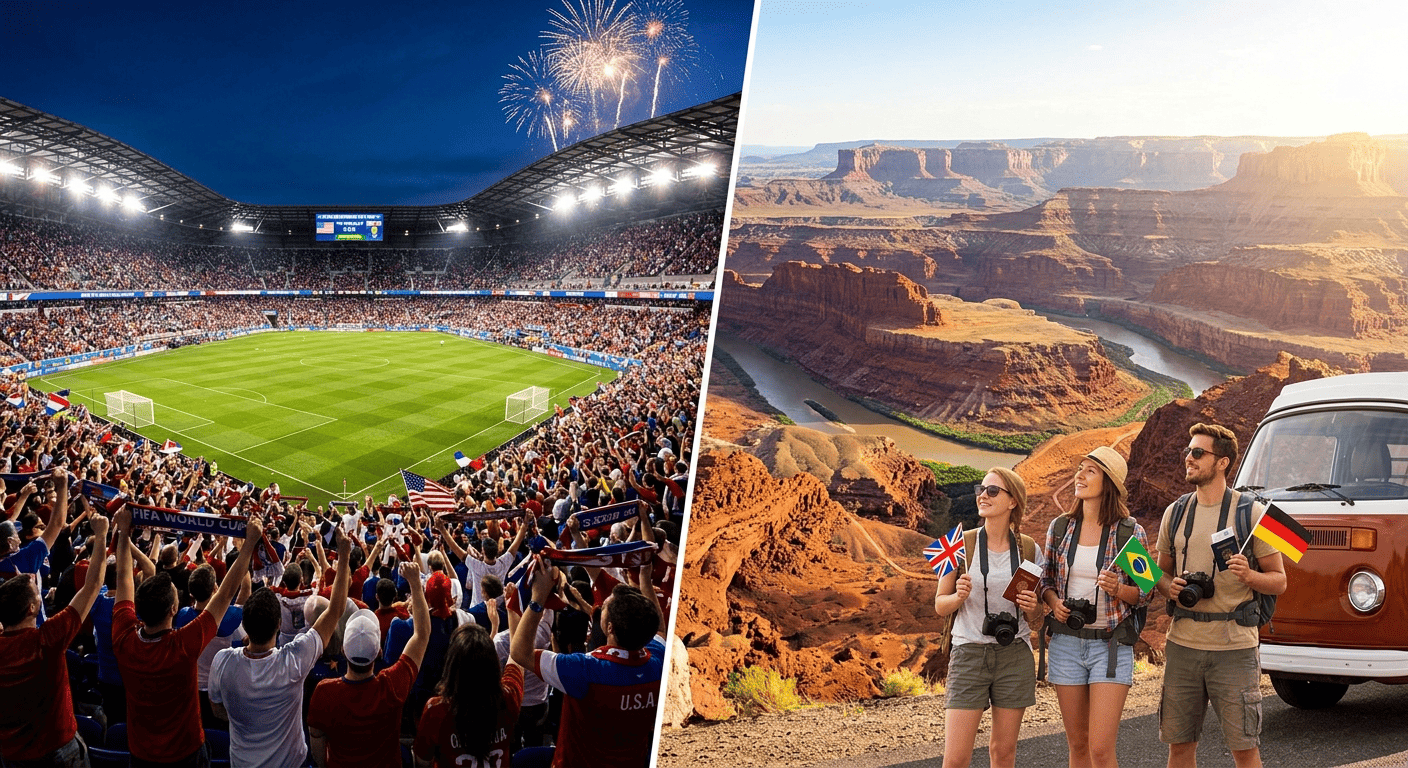
When the noise finally settled and the trophy was raised after weeks of high-octane football across 11 host cities, destination marketers across the United States took a collective breath. The 2026 FIFA World Cup delivered on its immediate promises: millions of global fans flooded stadium gates from Atlanta to Los Angeles, international visitor spending surged to over $5,000 per traveler, and downtown hotel corridors saw record-breaking room rates on match days.
But as team buses clear out and temporary fan zones are dismantled, the real work for the American travel industry is just beginning. The mega-event sprint is over, and the long-term marathon to convert soccer fans into repeat visitors has officially kicked off.
The Aftermath: Capturing the "Return and Explore" Economy
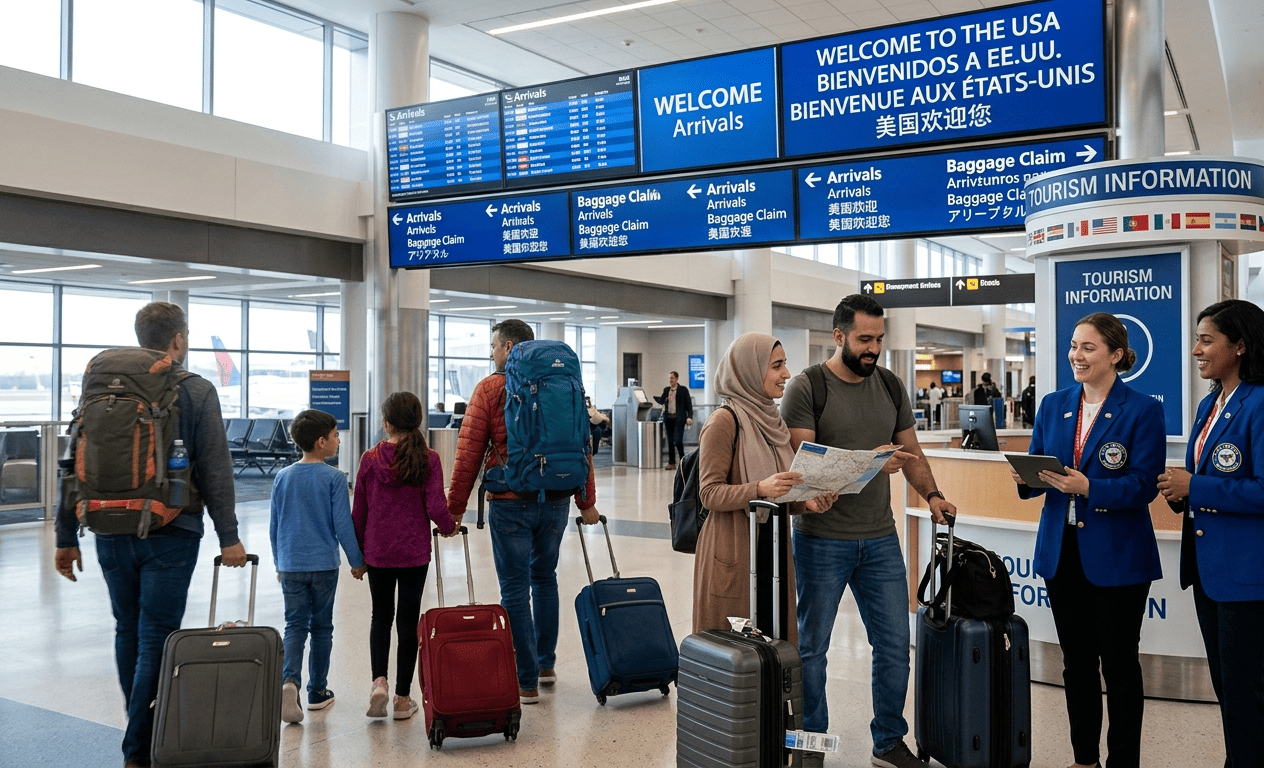
Historically, hosting a massive global sporting event creates a temporary halo effect, but converting first-time match-goers into long-term tourists requires intentional strategy. Data gathered during the tournament showed that nearly half of visiting international fans actively used trip-planning tools to research road trips, national parks, and nearby secondary cities alongside their stadium tickets.
Now, national marketing efforts are pivoting from match-day logistics to post-tournament retention. According to updates fromBrand USA, official campaigns like "More to Love" are explicitly targeting fans in core growth markets—including Argentina, Brazil, Colombia, the UK, and Japan—encouraging them to revisit the regions they barely got to explore between fixtures.
The strategy relies heavily on user-generated social media content, reminding travelers that while their stadium stay was short, the rest of the country remains open for exploration.
Key Economic Drivers Post-Tournament
Rather than relying purely on major metropolis hubs, long-term industry stability depends on spreading tourist dollars into surrounding communities:
- Regional Spillover Growth: Host cities like Dallas, Houston, and New York were major anchors, but regional destinations—such as San Antonio's River Walk or coastal towns along the Pacific Northwest—are leaning on regional transit connections to capture lingering travelers.
- Converting International Spending: With international visitors spending roughly 1.7 times more than the average domestic traveler during their stays, industry advocates at theU.S. Travel Associationemphasize the need to maintain streamlined visa processing and positive visitor sentiment to keep international momentum moving through the decade.
- The Mega-Event Pipeline: The World Cup isn't an isolated showcase; it sits at the head of an unprecedented mega-event decade for the U.S., serving as a dress rehearsal for the Route 66 Centennial, the 2028 Los Angeles Olympics, and upcoming World Cup rugby tournaments.
Industry Performance & Economic Impact
- Total International Visitor Inflow: Over 1.2 million global fans arrived specifically for match fixtures across host cities.
- Average Travel Expenditure: International fans averaged more than $5,000 per person in direct spend across lodging, transport, and dining.
- Target Growth Overseas Markets: Arrivals from participating World Cup nations saw immediate year-over-year growth, led by surges from Latin American and European markets.
- Long-Term Horizon: Industry forecasts continue to target 85 million annual international visitors traveling to the U.S. by 2030.
Adapting Infrastructure for the Next Wave
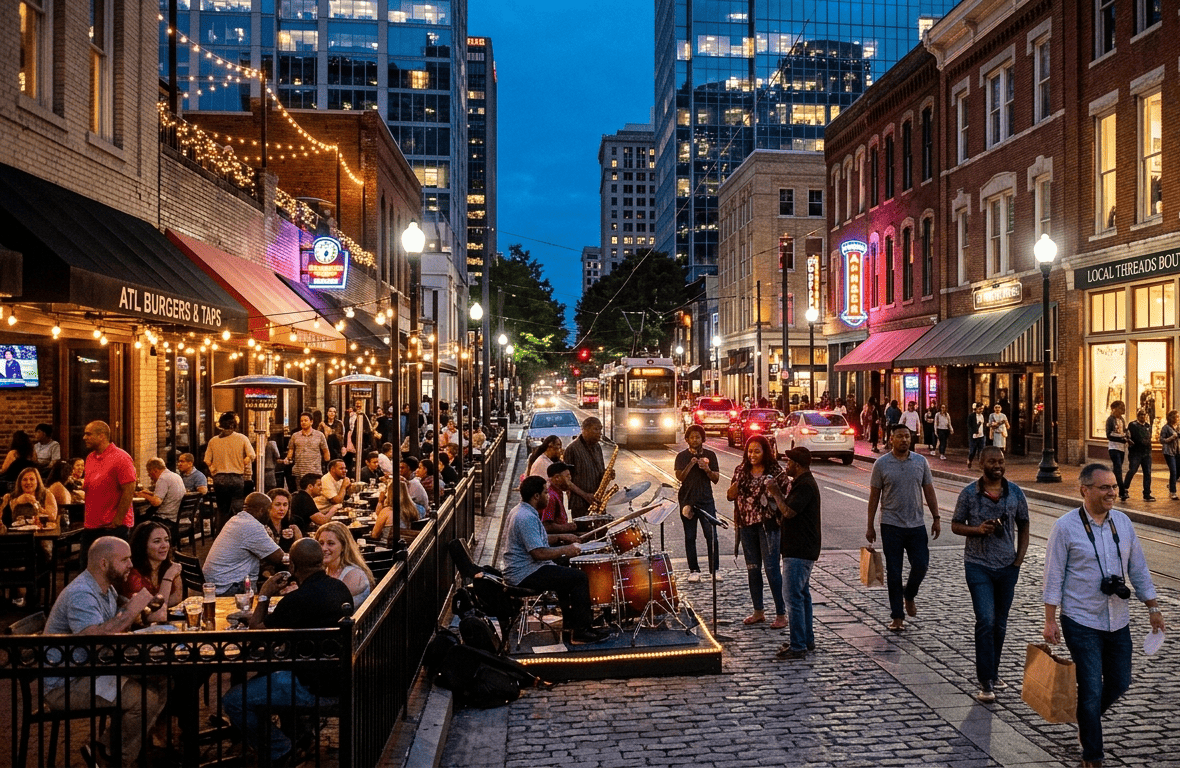
Tourism boards and hospitality brands aren't letting the operational lessons of the World Cup go to waste. Cities across North America made substantial investments in smart transit, airport modernizations, and multi-lingual digital infrastructure ahead of kick-off:
- AI-Powered Visitor Assistance: Cities integrated multi-lingual AI concierge tools into city tourism sites to help non-English speaking visitors navigate public transit, local dining, and safety alerts in real time.
- Flexible Hospitality Models: Hotels and short-term rentals adapted pricing structures and booking policies to accommodate multi-city, cross-country fan itineraries.
- Cross-City Collaboration: Regional tourism boards worked together on joint marketing campaigns, encouraging visitors staying in major stadium centers to take day trips to nearby state parks and cultural landmarks.