
WTTC and ICC Partner to Empower Tourism SMEs with Global Scale
Small and medium-sized enterprises (SMEs) make up roughly 85% of all businesses in the global travel and tourism industry. Yet, despite being the economic engine powering local destinations, family-owned operators, boutique hotels, and regional tour providers often lack direct influence in high-level international policy discussions.
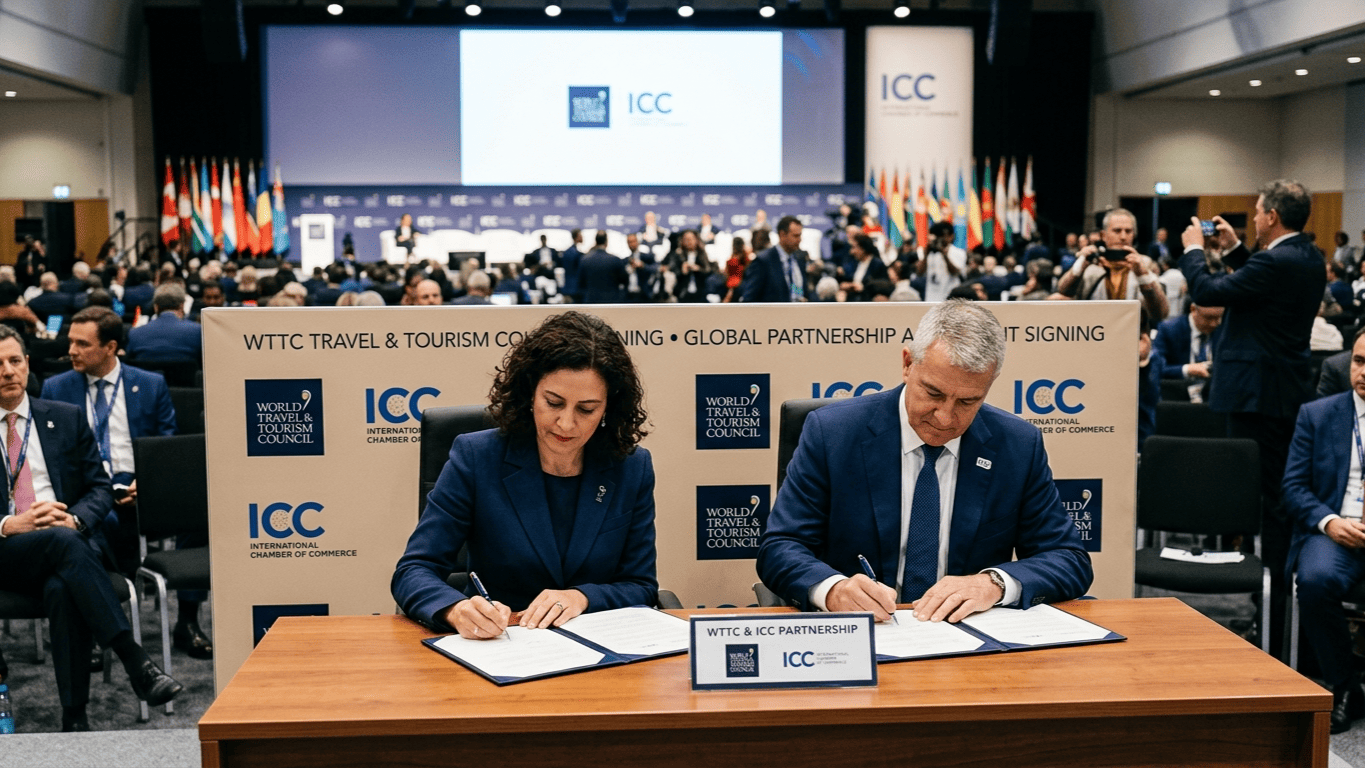
That dynamic is set to shift. The World Travel & Tourism Council (WTTC) has officially signed a strategic agreement with the International Chamber of Commerce (ICC). This partnership fuses WTTC's sector expertise and government relations with the ICC’s network of more than 45 million businesses across 170 countries.
Together, the two organizations aim to give tourism SMEs a much louder voice on the global stage while tackling the key growth bottlenecks hindering independent operators today.
Dismantling Barriers for Independent Travel Operators
Small travel ventures face unique challenges that larger corporate chains can navigate with greater ease—ranging from complex regulatory environments and limited access to capital, to digital transformation delays and mobility restrictions.
Through this joint framework, WTTC and ICC are committing to targeted action across several core operational areas:
- Targeted Policy Advocacy: Bringing evidence-based insights from small operators straight to national governments and international regulatory bodies to reduce red tape.
- Digital Transformation & Resources: Helping local operators adopt modern digital tools, operational standards, and cross-border payment platforms.
- Access to Capital & Markets: Connecting tourism SMEs with broader corporate networks, business tools, and private-sector partnerships to unlock fresh investment.
- Knowledge Sharing & Research: Conducting joint sector research to ensure small business needs are fully reflected in global economic policy decisions.
Why Developing Markets Stand to Gain the Most
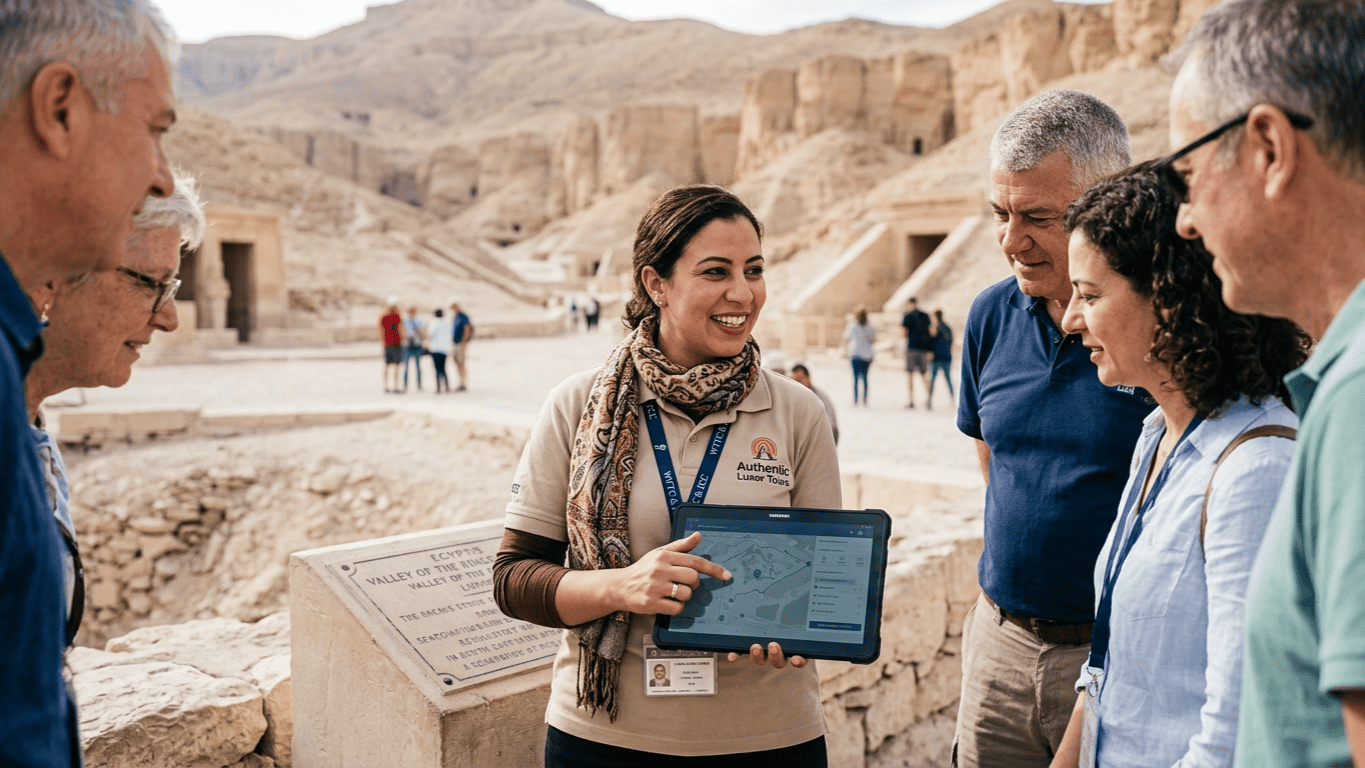
While the initiative is global, its impact could be most visible in emerging tourism regions. Independent businesses in island economies, Africa, Asia, and Latin America frequently form the backbone of local employment.
By opening access to ICC’s institutional networks, local operators will gain direct opportunities to engage with international supply chains, global investors, and regional business chambers. This collaboration aligns closely with WTTC’s broader push to build a global community of one million travel and tourism SMEs over the next five years through its Together in Travel initiative.
As global travel demand continues to mature, aligning policy with the practical needs of frontline operators ensures that the economic benefits of tourism flow directly into local communities.