
Spain Tourism Sector Hits Record Highs as Economic Impact Soars
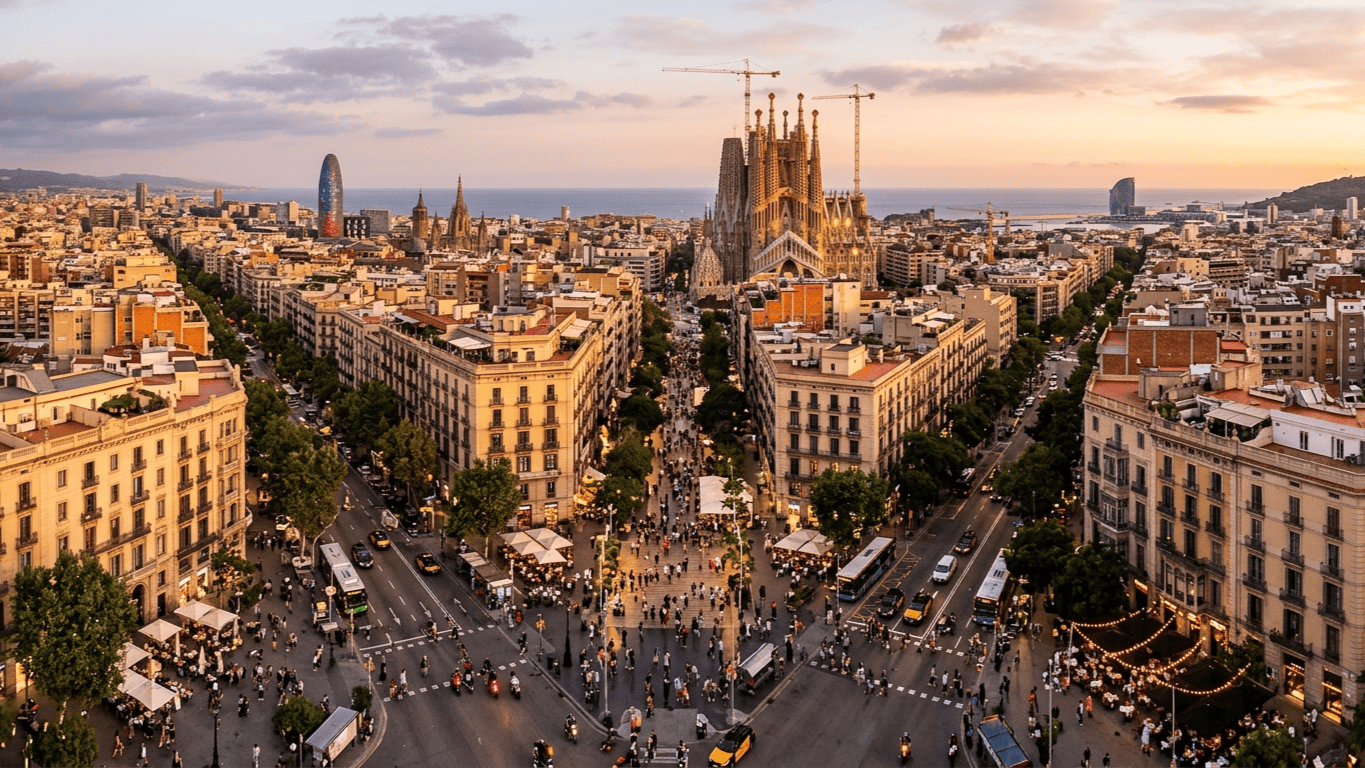
Spain’s travel and hospitality sector is demonstrating unprecedented momentum. Official figures from Spain’s National Statistics Institute (INE) show the country welcomed a record 96.8 million international visitors in 2025, generating nearly €135 billion in revenue. Far from slowing down, that pace has accelerated into 2026, with over 70 million foreign travelers arriving in the first eight months alone—up more than 5 percent compared to the same period last year.
As the second most visited country globally behind France, Spain is proving that iconic destinations can continue expanding their appeal while significantly increasing their economic yield.
Higher Spending and Regional Shifts Drive the Market
While visitor volume continues to set milestones, the real story lies in international visitor spending, which is growing faster than overall arrivals. International non-resident spend surged past pre-pandemic benchmarks and is currently trending nearly 8 percent higher year-over-year. This shift reflects a strategic push toward higher-value leisure travel, longer average stays, and increased demand for premium lodging across major urban centers.
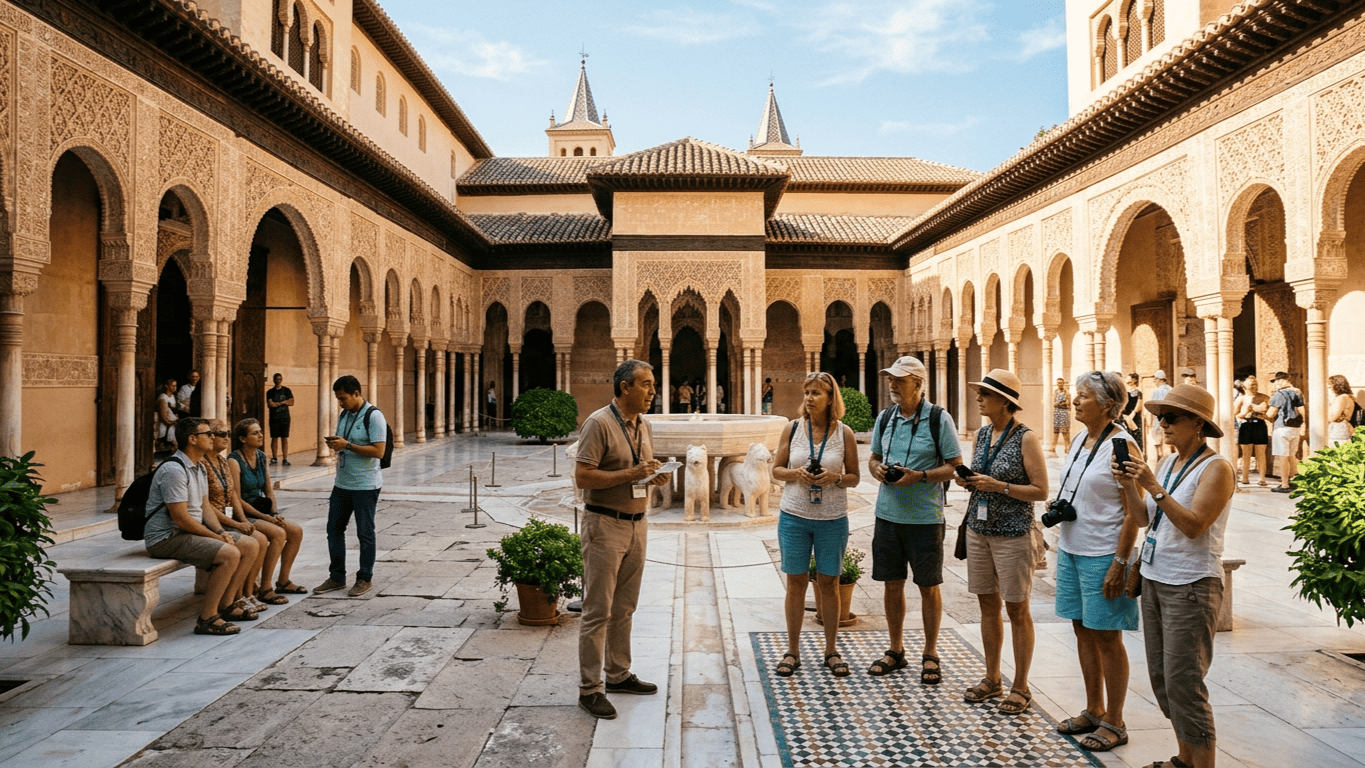
In major hubs like Madrid and Catalonia, average daily spending has risen sharply, driven by long-haul travelers from the Americas and robust demand across traditional European markets like the United Kingdom, Germany, and France. Beyond traditional coastal hotspots, inland and cultural regions are gaining significant traction. Andalusia, for example, recorded over 10 percent growth in international visitor arrivals during the first half of the year, signaling that travelers are increasingly exploring historical architecture, rural estates, and culinary routes beyond standard beach resorts.
For travelers looking to plan their own Iberian itinerary, exploring official regional resources like the Andalucia Tourism Board offers insights into seasonal cultural events, heritage sites, and lesser-known destinations across southern Spain.
The Macroeconomic Engine and Structural Balance
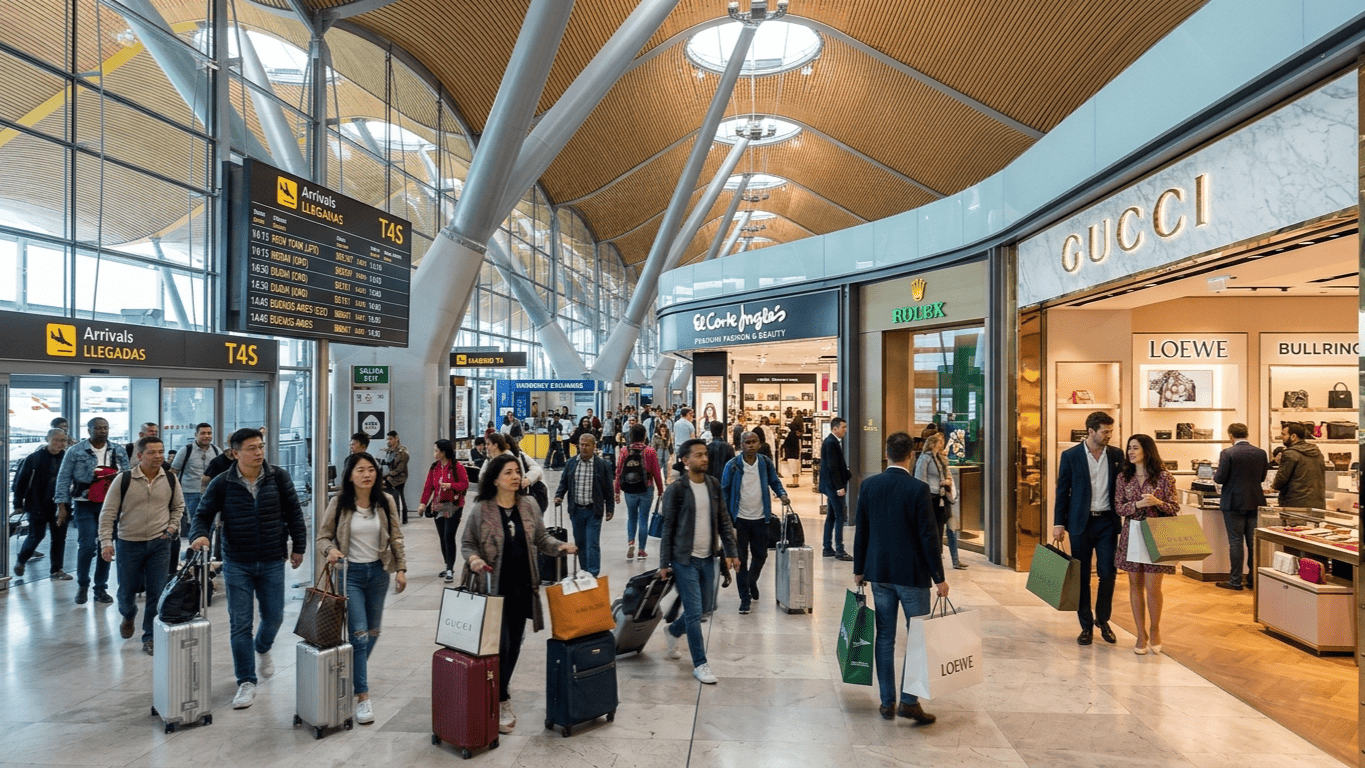
Tourism remains one of the foundational pillars of the Spanish economy, directly accounting for over 12 percent of national GDP and supporting approximately 12 percent of employment nationwide. The steady inflow of foreign capital has bolstered domestic services, expanded retail revenue, and driven ongoing investment into regional transport and hospitality infrastructure.
However, the sheer volume of visitors has led Spanish authorities and industry leaders to prioritize sustainability and crowd management. Key regions are implementing strategic policies to encourage off-season travel, direct tourism flows toward emerging destinations, and balance local residential needs with short-term rental demand. To stay updated on national travel guidelines, economic reports, and visitor entry updates, travelers and analysts can consult Turespaña, Spain's national tourism organization.
By combining iconic world-heritage sites, diverse regional landscapes, and modernized infrastructure, Spain is demonstrating how mature tourist destinations can achieve sustained financial growth while adapting to modern sustainability demands.