World Cup 2026 Sparks "Gateway Travel" Boom Across North America
The FIFA World Cup 2026 is driving a structural evolution in global sports tourism. Rather than treating tournament cities purely as single-event destinations, international fans are using match venues as entry points—or gateways—to explore broader geographic regions across the United States, Canada, and Mexico.
Industry analysts report that the expansion to 48 national teams and 104 matches spread across 16 host cities has accelerated this multi-destination travel pattern. Visitors are pairing stadium attendances with multi-week itineraries, turning match tickets into springboard opportunities for regional road trips, outdoor recreation, and cultural tours.
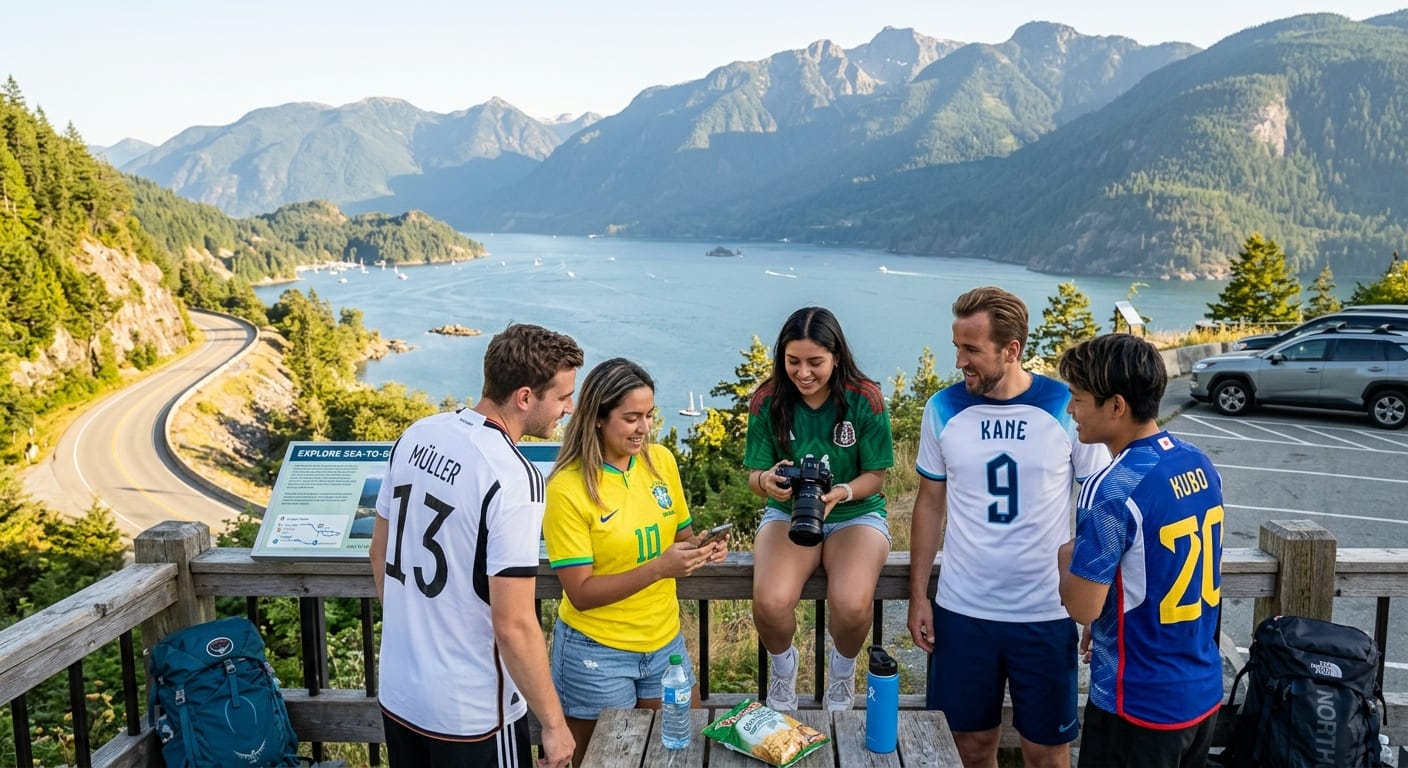
Host Cities Serve as Launchpads for Wider Adventures
The gateway effect is visible across all three co-hosting nations. Rather than remaining confined to stadium districts, traveling supporters are building regional excursions around their match schedules:
- Los Angeles & the West Coast: Fans landing at LAX for matches at SoFi Stadium are using Southern California as a starting hub for extended coastal drives along Highway 1 toward Big Sur and San Francisco.
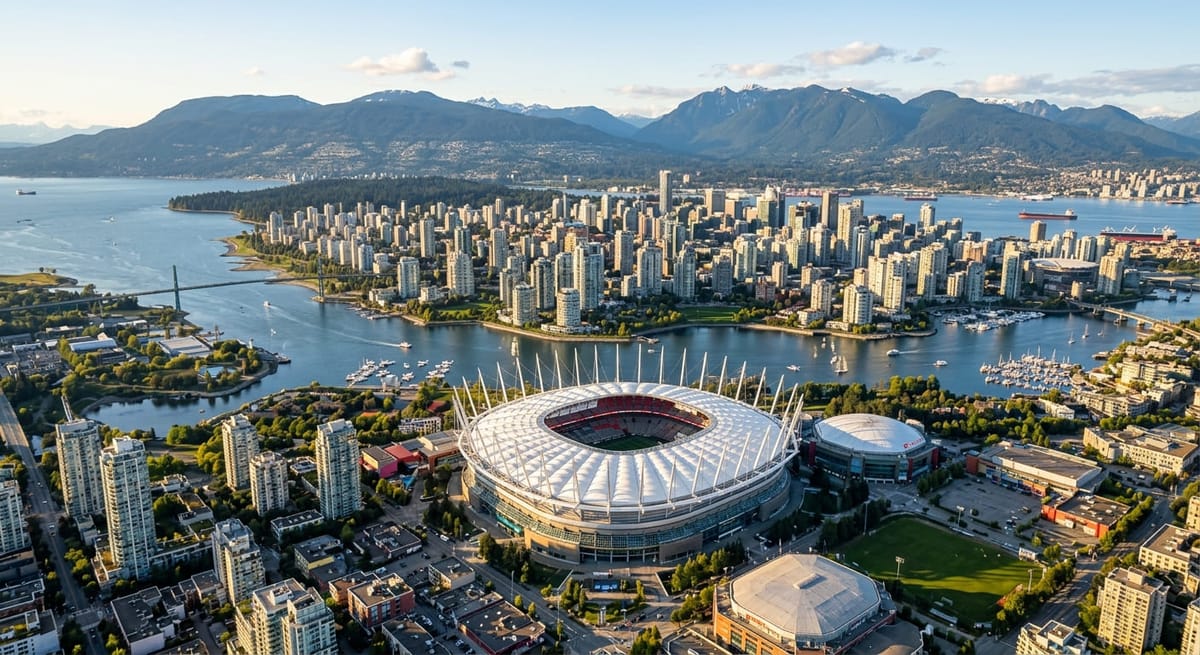
- Vancouver & Seattle: Pacific Northwest host cities are acting as transit corridors, funneling international visitors toward Whistler, the Canadian Rockies, and the Olympic Peninsula.
- Mexico City & Guadalajara: Matches in Mexico's urban centers are serving as cultural bases for wider regional travel into Teotihuacán, Oaxaca, and the tequila agave landscapes of Jalisco.
- Toronto & the Northeast: Spectators attending games in Toronto are converting their stays into regional road trips to Niagara Falls and the neighboring lakes regions.
Tourism boards are aggressively marketing around this trend. Campaigns launched by municipal authorities—such as Los Angeles Tourism—have explicitly promoted host cities as launchpads rather than final stops, pairing match-day guides with multi-day regional itineraries.
Shift Toward Longer Stays and Experiential Travel
Data compiled by hospitality platforms like Airbnb indicates that group and family bookings account for over half of World Cup travel plans, with supporters booking longer average stays to accommodate regional exploration.
At the same time, regional transport and air booking data monitored by the World Tourism Organization (UNWTO) show significant year-over-year surges in flight and transit reservations connecting secondary destinations adjacent to primary host hubs.
By turning one-off sporting events into multi-region adventures, gateway travel is establishing a new blueprint for major global sports tournaments moving forward.