Why Vietnam Is Becoming Southeast Asia’s Top Travel Destination in 2026
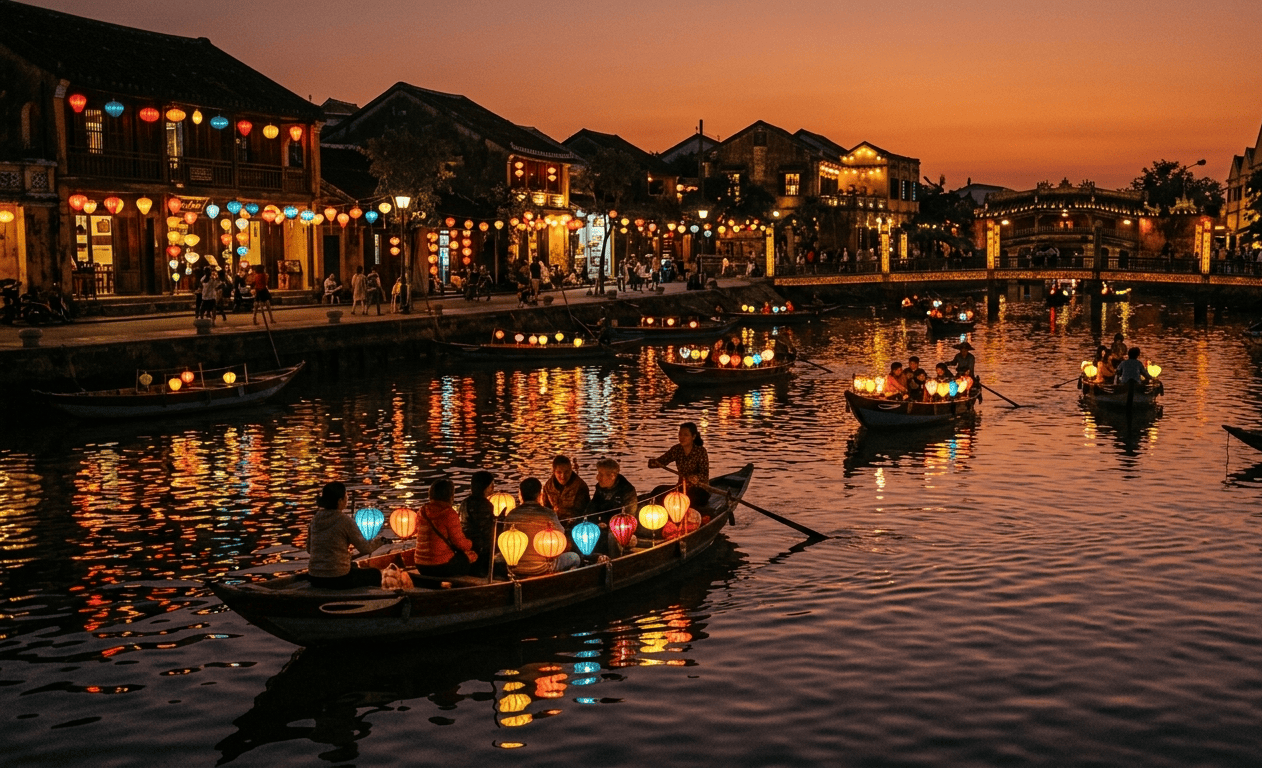
There’s a specific moment every traveler experiences in Vietnam. It usually happens around dusk—maybe when the soft yellow lanterns of Hoi An reflect on the Thu Bon River, or when the aromatic mist of a bubbling pot of pho drifts across a bustling Hanoi alleyway. It’s that exact instant where you realize this isn’t just a stop on a bucket list; it’s a culture in motion.
In recent years, Southeast Asia has seen standard travel hotspots reach capacity, but Vietnam has carved out a unique position as the region’s premier breakout destination. Tourism records are consistently being smashed, driven by a wave of global visitors seeking authentic heritage, dramatic landscapes, and world-class culinary experiences.
So, what is turning Vietnam into an international travel powerhouse—and what should you know before planning your own journey?
1. Streamlined Visas & Frictionless Travel
For years, navigating entry requirements for long-haul travel across Asia could feel overly complex. Vietnam transformed its approach by introducing extended 90-day multi-entry e-Visas for all countries, while offering visa exemptions for dozens of nationalities. This combination makes extended road trips and multi-city itineraries significantly easier.
The country's accessibility is further bolstered by a network of UNESCO World Heritage sites spanning from North to South, paired with rapidly expanding high-speed infrastructure and international flight routes. Whether landing at Noi Bai International Airport (HAN) in Hanoi, Tan Son Nhat International Airport (SGN) in Ho Chi Minh City, or Da Nang International Airport (DAD) along the central coast, international arrivals can transition seamlessly from arrival to exploration. Travelers can verify entry guidelines directly via the official Vietnam e-Visa Official Portal.
2. Diverse Landscapes: From Northern Peaks to Southern Waves
Few countries pack as much geographic diversity into a single narrow strip of land as Vietnam. Within a single two-week trip, you can experience vastly different climates, topographies, and regional traditions.
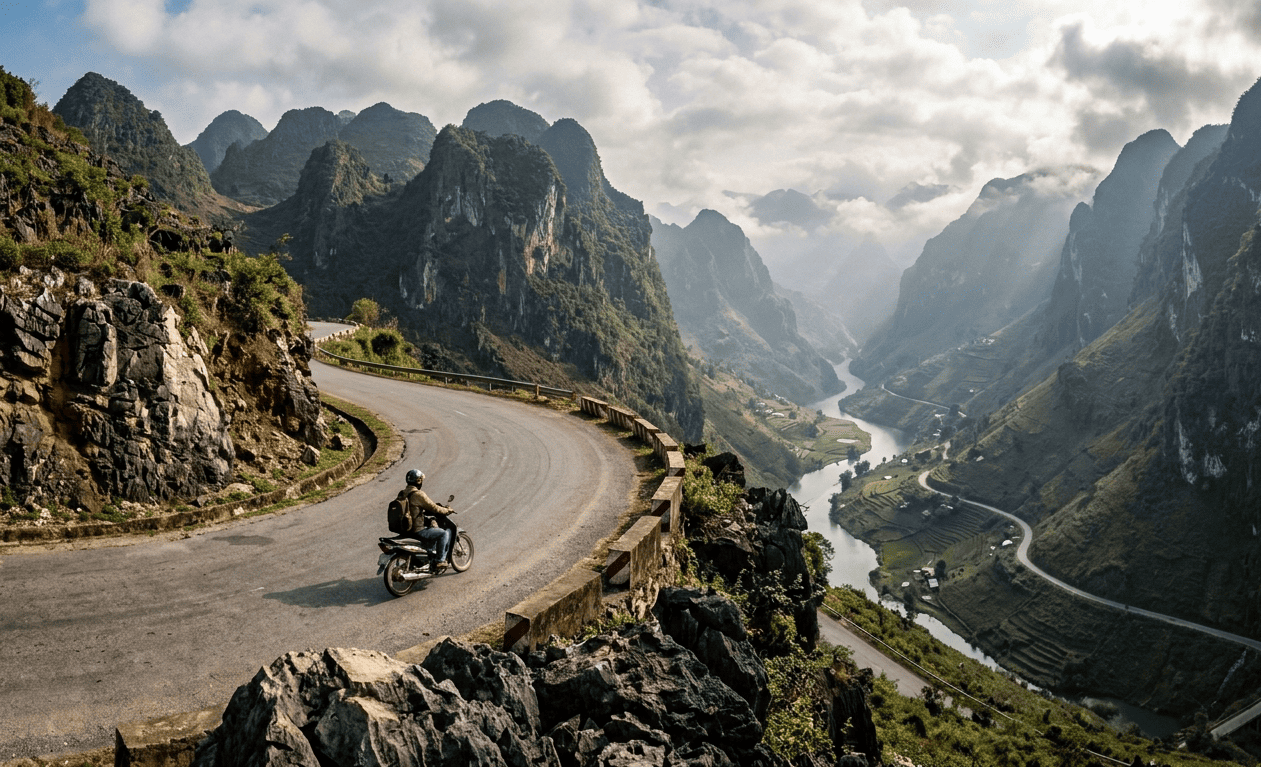
- The Northern Highlands: Destinations like Sapa and the Ha Giang Loop offer dramatic mountain passes, deep valleys, and terraced rice paddies cultivated by ethnic minority communities.
- Central Heritage Trail: Home to the imperial city of Hue, the ancient trading port of Hoi An, and the jaw-dropping karst limestone landscapes of Phong Nha-Ke Bang National Park.
- Southern Vibrancy: The energetic economic hub of Ho Chi Minh City contrasts with the tranquil waterways, floating markets, and coconut groves of the Mekong Delta.
For official destination guides and cultural heritage itineraries, explore the Vietnam National Authority of Tourism.
3. Culinary World-Class Prestige
Street food has always been the heart and soul of Vietnamese life, but international recognition has elevated the country into a global culinary landmark. The arrival of the MICHELIN Guide in cities like Hanoi, Ho Chi Minh City, and Da Nang has shined a spotlight on everything from humble side-street stalls serving Bun Cha to upscale fine dining establishments reimagining traditional flavors.
Beyond high-end accolades, the core draw remains accessibility: fresh herbs, rich bone broths, crispy baguettes (Banh Mi), and distinct regional coffee varieties like egg coffee in Hanoi or salt coffee in Hue.
4. Smart Planning Tips for First-Time Visitors
Navigating Vietnam’s rapid evolution requires a few practical strategies to get the most out of your trip:
Pro-Tip for Travelers: Vietnam experiences distinct regional microclimates. While the North might be cool and misty in January, the South will be warm and sunny. Plan your regional stops around local weather patterns rather than assuming uniform tropical weather nationwide.
- Getting Around: Domestic flights connect major regions rapidly, but night trains (like the route between Hanoi and Da Nang) and high-quality sleeper buses offer scenic, budget-friendly transport.
- Connectivity & Payments: Grab (the regional ride-hailing app) works seamlessly across major cities. While credit cards are widely accepted at hotels and restaurants, keeping local currency (Vietnamese Dong) on hand is essential for street markets and family-run eateries.