
Why South Korea Is the Top Choice for International Medical Tourism in 2026
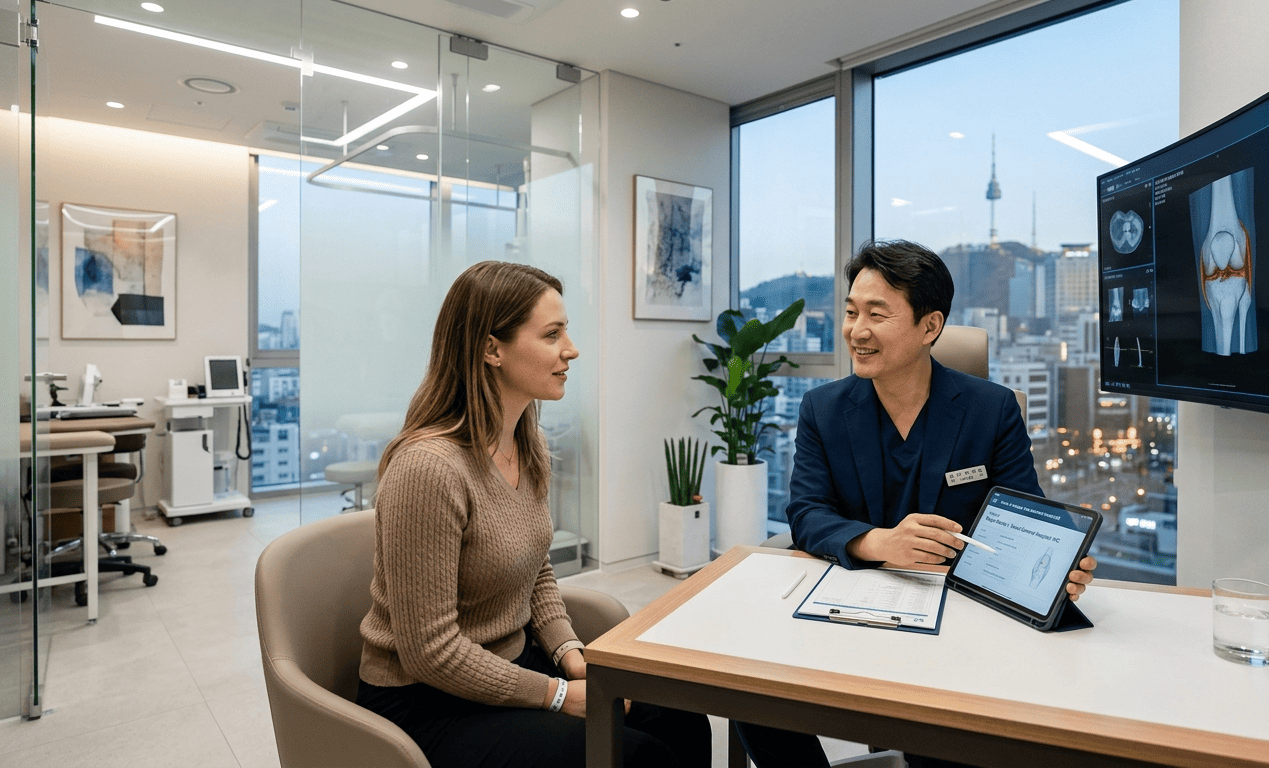
There’s a common misconception that international travel to Seoul begins and ends with cosmetic touch-ups or skincare shopping trips. While Gangnam's world-renowned clinic strip certainly draws crowds, it only tells a fraction of the story.
Across South Korea, hospitals and specialized centers are welcoming millions of international patients annually. From complex robotic surgeries and advanced oncology care to cutting-edge dermatology and fertility treatments, global travelers are bypassing traditional medical hubs in favor of Korean healthcare.
So, what is turning South Korea into a global medical powerhouse—and what should prospective patients keep in mind before booking a procedure? Here is a breakdown of why international care seekers are choosing Korea, along with essential planning tips.
1. High-Tech Precision Meets Unmatched Cost Efficiency
The primary driver behind South Korea’s medical boom comes down to a compelling ratio: world-class technical precision at a fraction of Western costs.
Major general hospitals in Seoul, Busan, and Daegu house state-of-the-art diagnostic imaging, AI-assisted surgical suites, and proton beam therapy centers. Surgeons in Korea regularly train at top international institutions, and many facilities hold accreditation under the Korean Accreditation Program for Hospitals Serving Foreign Patients (KAHF).
Despite this high standard of care, procedures in Korea often cost 30% to 70% less than equivalent treatments in North America or Western Europe. Whether it is a routine wellness health screening or a complex spinal procedure, patients receive comprehensive care without the inflated overhead expenses.
For patients researching qualified facilities and government-accredited care providers, the Medical Korea Official Portal offers multilingual directories and official medical visa guidelines.
2. Comprehensive Wellness Beyond Plastic Surgery
While aesthetic procedures and dermatology remain heavy hitters, international arrivals are increasingly seeking non-elective and specialized healthcare.
- Dermatology & Anti-Aging: Advanced lasers, skin boosters, and non-invasive lifting techniques draw visitors who want immediate, zero-downtime skin rejuvenation.
- Orthopedics & Spine Care: Specialized centers lead in minimally invasive joint replacements and endoscopic spine surgeries, allowing for faster post-op recovery.
- Oncology & Organ Transplants: High success rates in complex cancer treatments and living-donor liver transplants regularly attract international referrals.
- Integrative Eastern & Western Medicine: Many clinics combine modern medical tech with traditional Korean medicine (Hanbang) to accelerate post-treatment healing and pain management.
To learn more about public healthcare policies and global initiatives driving these medical standards, visit the Korea Health Industry Development Institute (KHIDI).

3. The Concierge Patient Experience
Navigating medical care in a foreign country can feel intimidating, but Korean healthcare providers have perfected the patient journey.
Inbound medical travelers are supported by dedicated international healthcare centers (IHCs) stationed directly inside major hospitals. These departments handle:
- English-, Japanese-, Chinese-, and Arabic-fluent medical interpreters
- Airport pickup services and tailored lodging coordination
- Expedited diagnostic testing and zero waiting-list consultation scheduling
- Direct tax refund processing for eligible cosmetic and dermatological procedures
4. Smart Tips for Medical Travelers
Planning a trip for medical care requires extra foresight compared to a standard vacation:
Pro-Tip for Medical Travelers: Always secure pre-travel consultation records from your home physician. Translating your medical history in advance ensures Korean specialists can tailor your treatment plan immediately upon arrival.
- Medical Visas (C-3-3 & G-1-10): Depending on the length and nature of treatment, patients may need a specialized medical visa. Partnering with a registered medical tourism facilitator simplifies document processing.
- Recovery Window: Allow extra buffer days in your travel itinerary. Even minor procedures require follow-up checkups before you are cleared to fly home.