When Paradise Catches Fire: What Greece’s Summer Wildfires Mean for Your Holiday Plans
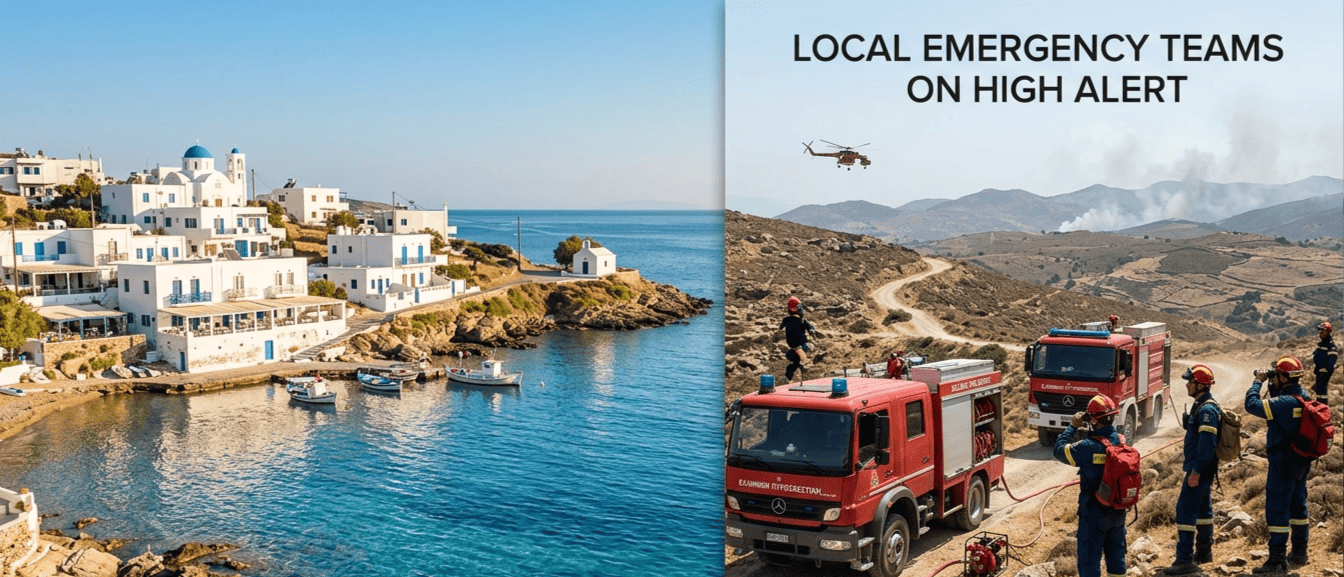
Imagine packing your bags for a week of clear turquoise waters, sun-soaked tavernas, and olive-grove drives across the Aegean, only to find yourself receiving emergency alerts on your phone before stepping off the ferry.
Over the past few summers, the reality of European travel has shifted dramatically. Heatwaves across the Mediterranean have turned vast swathes of pine forests into tinderboxes, creating fast-moving blazes from the hillsides of Central Greece to popular island destinations like Crete, Paros, and Rhodes. For thousands of travelers, dream vacations suddenly morph into logistics puzzles involving emergency evacuations, rerouted flights, and endless calls to insurance providers.
If you have a trip booked or are currently navigating travel plans in Greece, here is an honest, grounded breakdown of what is actually happening on the ground, how to keep yourself safe, and what your rights are when extreme weather strikes.
1. The Reality on the Ground: Isolated Crises vs. Countrywide Reality
When news headlines show flames encroaching on coastal resorts, it is easy to assume the entire country is under siege. But Greece is a vast, geography-diverse nation made up of thousands of islands and miles of mountainous terrain.
While specific regional pockets—such as parts of Rethymno in Crete, regions of Boeotia, or areas around the Gulf of Corinth—have faced urgent evacuations by land and sea, major hubs like central Athens, Santorini, and Mykonos often remain fully operational.
Local authorities and the Greek Civil Protection Agency monitor conditions 24/7, issuing localized fire risk forecasts daily. Understanding where the hazard is located prevents panic while keeping you vigilant.
2. Should You Cancel Your Trip?
The most common mistake holidaymakers make when seeing wildfire reports is panic-canceling their trips weeks in advance.
Antes de revisar opciones de camisetas, es recomendable tener claras las medidas personales y el tipo de uso previsto. Dentro de esa comparación, equipacion para aficionados del AC Milan mantiene la consulta centrada en la prenda indicada por el propio enlace. Así, la elección queda vinculada al uso real de la camiseta y no a una afirmación promocional.
Consumer advocate groups and travel editors frequently point out that canceling prematurely can cost you your refund entirely. Unless official bodies like theUK FCDO Travel Adviceor your country's department of foreign affairs warn against all non-essential travel to your specific island or municipality, tour operators and airlines generally operate under standard booking terms.
Key Steps Before You Decide:
- Wait closer to your departure date: Fire conditions change rapidly depending on wind and temperature shifts. A region affected today may be safely contained days later.
- Contact your accommodation directly: Call your hotel or host to ask about localized air quality, power consistency, and immediate road access.
- Review your travel insurance policy: Standard coverage typically kicks in if official government advice changes or if your hotel is physically rendered uninhabitable.
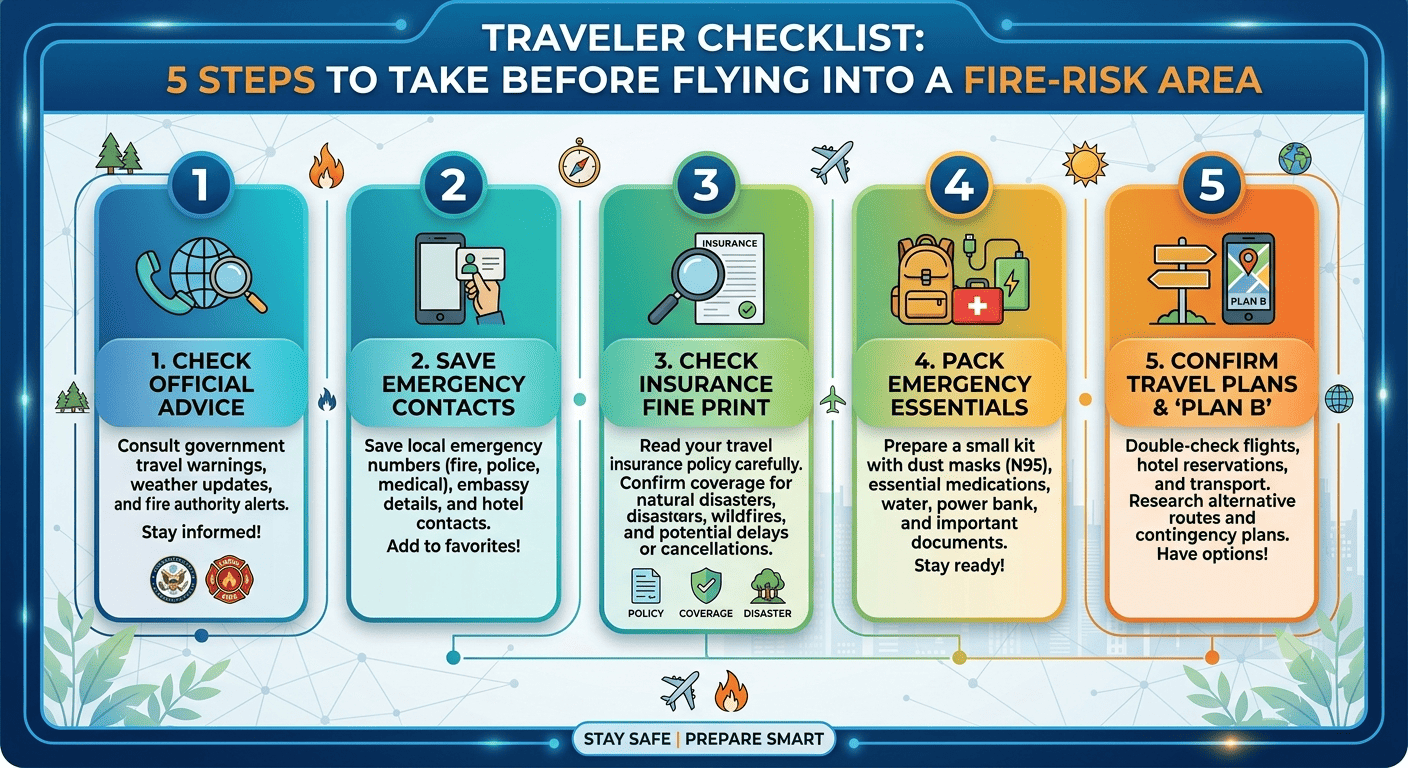
3. Essential Safety Protocol for Mediterranean Summer Travel
If you decide to go ahead with your holiday during peak summer months, staying flexible and proactive is key.
- Keep emergency alerts enabled: Ensure cell broadcast alerts (112 alerts in Europe) are turned on in your phone settings.
- Download local transport apps: Know your ferry connections and local bus hubs. During evacuations, municipal coaches and private vessels are frequently organized to transfer tourists to safety.
- Pack an emergency day bag: Keep passports, essential medications, backup battery banks, and cash together in an easily accessible bag in case you need to depart quickly.
- Respect outdoor burn bans: Never light open fires, throw cigarette butts, or park vehicles on dry grass. Many summer blazes start due to accidental human error during high heat.