
Volcanic Ash Forces Closure of 7 Indonesian Airports and Disrupts Thousands of Flights
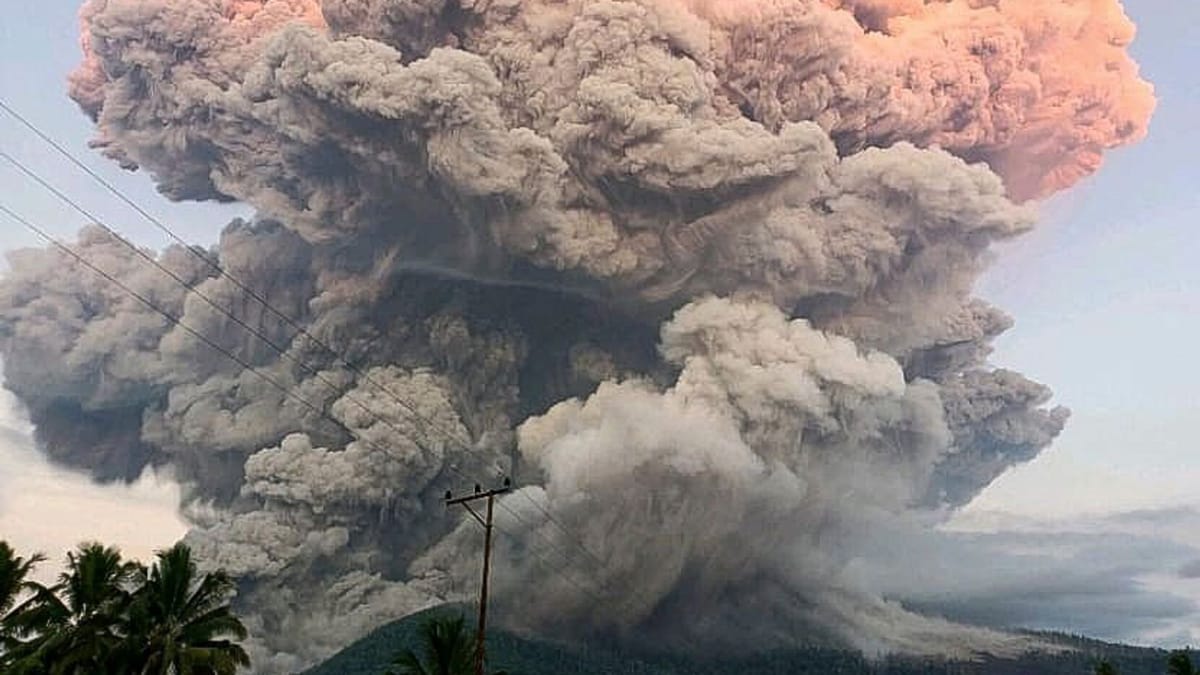
A major volcanic event in Southeast Asia has grounded regional aviation networks. Following intense eruptive activity at Mount Anak Krakatau, hazardous ash plumes pushed as high as 50,000 feet into the atmosphere. The sweeping air space hazard forced aviation authorities to order Indonesia volcanic ash flight disruption protocols, closing seven key airports across Java and Sumatra—including Jakarta’s bustling Soekarno-Hatta International Airport.
The sudden operational freeze has affected upwards of 341,000 passengers, leaving travelers stranded across major transit hubs as ground crews work to sweep ash off runways and aprons.
Crucial Disruption Metrics
- Airports Impacted: 7 total hubs temporarily closed, including Soekarno-Hatta International (Jakarta) and regional facilities across Lampung, Banten, and West Java.
- Flights Affected: Nearly 3,000 flights canceled, delayed, or rerouted.
- Stranded Travelers: An estimated 341,000 passengers experiencing travel delays or cancellations.
- Plume Height: Volcanic ash detected between 20,000 and 50,000 feet.
Aviation Hazards and Recovery Challenges
Volcanic ash poses severe, life-threatening risks to jet aircraft. The fine silicates and pulverized rock can melt inside high-temperature jet engines, leading to engine failure, while simultaneously abrading windshields and clogging vital pitot-static sensors.
Indonesian transport officials and the meteorological agency (BMKG) issued numerous Significant Meteorological Information (SIGMET) alerts to divert regional air traffic. Until prevailing winds clear the airborne grit and safety checks confirm zero ash accumulation on runways, flight reschedules remain subject to dynamic local weather conditions. Airline operators like Garuda Indonesia and international carriers are advising affected passengers to monitor live flight status boards closely.