
Venice Considers €30 Tourist Entry Fee as Overtourism Pressure Grows
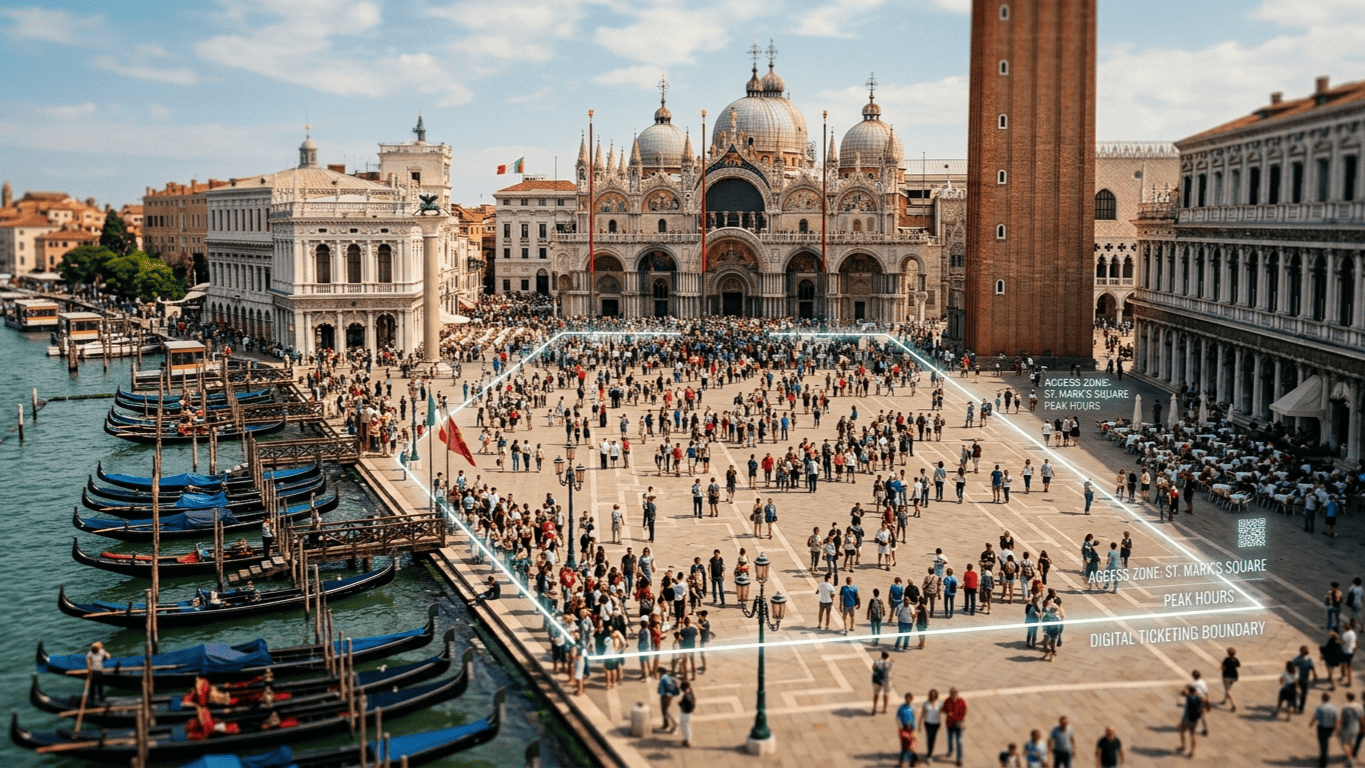
Venice city officials are considering a sharp increase to the city's day-tripper access fee, with proposals reaching up to €30 per person starting in 2027. The potential price hike comes after three seasons of trial runs revealed that the current €5 to €10 ticketing system has done little to curb the overwhelming waves of daily visitors filling the city's historic canals.
First introduced as a world-first experimental trial in 2024, the contributo di accesso (access fee) was designed to discourage casual day visitors during high-traffic periods. During the initial 2024 rollout, a flat €5 rate was applied across 29 peak days. By 2025 and 2026, the calendar expanded to 54 to 60 designated peak days, raising last-minute rates to €10. However, city leaders now acknowledge that lower rates have largely acted as a mild administrative hoop rather than an effective deterrent.
"Too Affordable to Work": The Argument for a Higher Cap
Venice's budget and taxation councillor, Michele Zuin, stated in local media reports that the present fees are simply too low to alter tourist behavior.
"The current fee of five to ten euros is affordable for practically everyone," Zuin told local newspaper Il Gazzettino. "There is a risk that it no longer has the deterrent effect that this measure should have."
Zuin noted that while extreme proposals within municipal meetings ranged as high as €50, local authorities are leaning toward settling on a €30 cap for 2027, subject to approval by the Italian national government.
The revenue metrics illustrate the scale of the operation. During the 2026 season—which expanded the enforcement calendar to 60 days between April and July—the city generated more than €5.2 million from nearly 680,000 day-pass purchases. While ticket sales dropped roughly 30% compared to 2024 baseline numbers on specific dates, overall foot traffic remains extremely heavy, putting heavy structural strain on the UNESCO World Heritage site.
How the Venice Access Fee Works
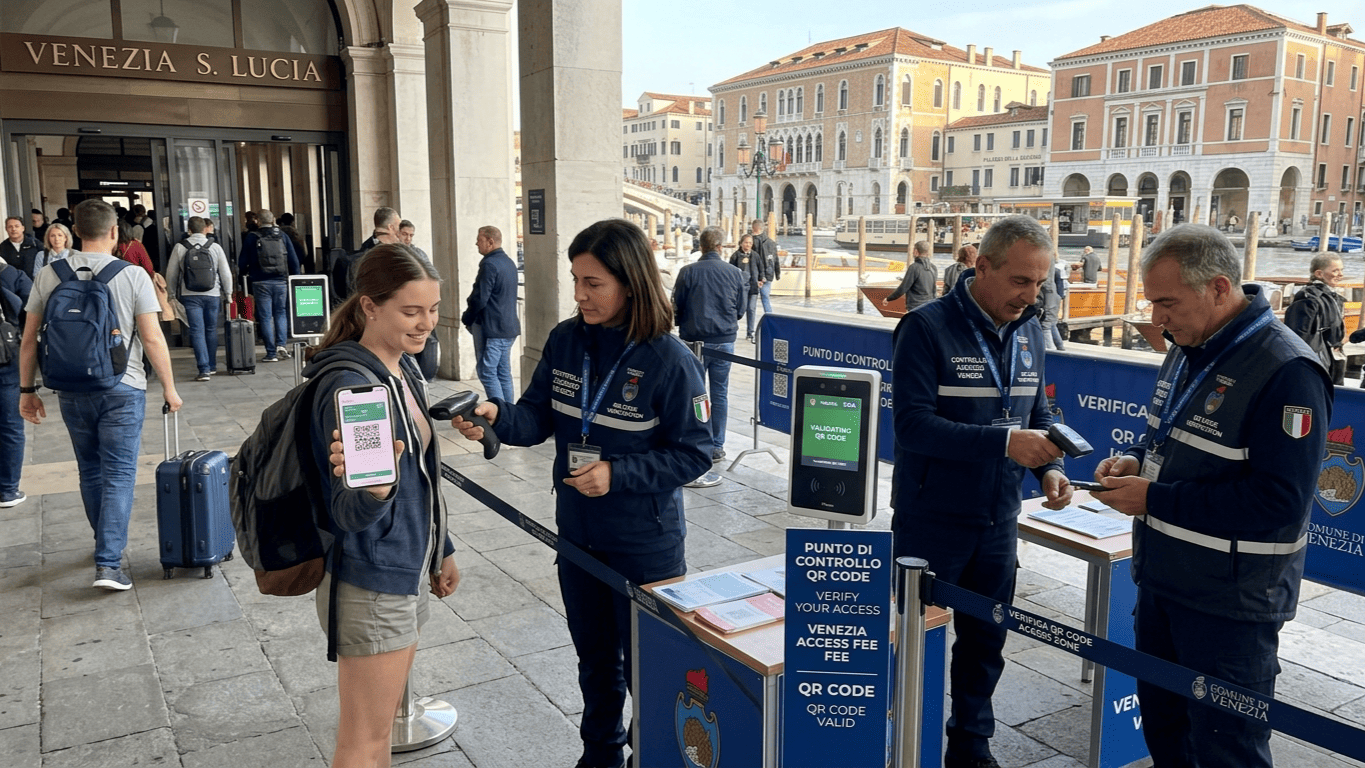
For travelers planning a trip to the lagoon, navigating the city's entry rules requires advance planning. The official access platform managed by Venezia Unica mandates that day visitors over 14 years old register and pay online prior to entering the historic center during designated peak hours (8:30 AM to 4:00 PM).
The process determines entry requirements based on accommodation:
- Overnight Visitors: Guests staying in registered Venice hotels or rentals pay the standard nightly tourist tax through their accommodation and are exempt from buying a daily access pass.
- Day Visitors: Travelers making single-day trips without an overnight stay must purchase the day pass via the Venezia Unica portal and present their QR code at city entry checkpoints near key arrival hubs like Santa Lucia station.
Who Needs to Pay?
- Day-Trippers: Visitors entering Venice’s historic center without an overnight accommodation booking in the municipality must purchase a daily pass.
- Peak Charging Days: Typically enforced on weekends and holiday periods between April and July.
Who is Exempt?
- Guests staying overnight in registered Venetian hotels or holiday rentals (who pay the nightly tourist accommodation tax instead).
- Residents of the Veneto region, students, commuters, and children under the age of 14.
- Visitors accessing transit hubs (such as Piazzale Roma or Santa Lucia station) solely to transfer to outer islands like Murano or Burano without entering the main historic core.
Unregistered day travelers caught inside control zones during charging hours face administrative fines ranging from €50 to €300, plus the full cost of the day pass.
Balancing Heritage Protection and Public Backlash
Venice spends roughly €100 million annually on physical maintenance, waste management, and structural preservation—costs borne primarily by local residents and regional taxes. Municipal leaders argue that day-trippers contribute minimally to the local economy compared to overnight guests while creating the vast majority of foot-traffic congestion.
At the same time, local activist groups and international critics have questioned whether turning an ancient public city into a paid-entry site sets a concerning precedent for global tourism. Many residents argue that ticket gates treat their living city like a theme park without solving core issues like housing shortages or the decline of the local resident population.
As discussions between Venice officials and the Italian government continue through late 2026, travelers heading to Italy are advised to check official updates on Comune di Venezia ahead of planning their spring and summer itineraries.