UAE Airlines Announce Delays and Cancellations as Regional Airspace Reroutings Disrupt Schedules
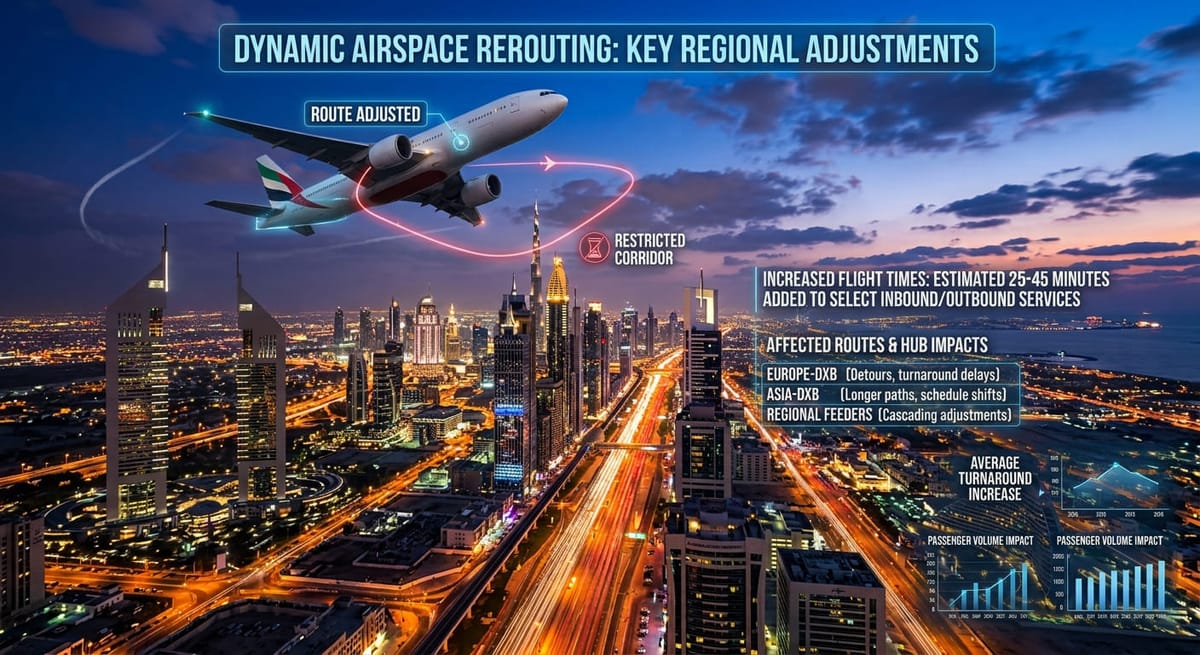
Airlines across the United Arab Emirates have issued new travel advisories following a wave of schedule adjustments, delays, and selective flight cancellations across regional aviation corridors. Carriers operating out of key hubs—including Dubai International Airport (DXB) and Abu Dhabi’s Zayed International Airport (AUH)—are advising passengers to verify their flight status before traveling to terminals.
The schedule adjustments stem from dynamic regional airspace detours and heightened caution across Middle Eastern aviation paths. While UAE airspace and airport facilities remain fully open and operational, modified flight paths have extended block flight times for inbound and outbound services, triggering cascading turnaround delays across hub networks.
Airlines and Operations Impacted
Home-grown and international carriers have modified select long-haul and regional routes to navigate altered corridors safely.
- Emirates & flydubai: Services across major South Asian, European, and North American routes reported timing adjustments due to longer flight paths around restricted corridors. Selective regional cancellations have been enacted on isolated sectors.
- Etihad Airways & Air Arabia: Operating out of Abu Dhabi and Sharjah, both carriers confirmed schedule shifts affecting incoming flights from Europe and the Indian subcontinent, with aircraft arriving behind schedule during peak bank periods.
- Foreign Carriers: International airlines, including Air France, have periodically adjusted or temporarily paused select scheduled connections into the Gulf, citing ongoing safety monitoring of regional flight corridors.
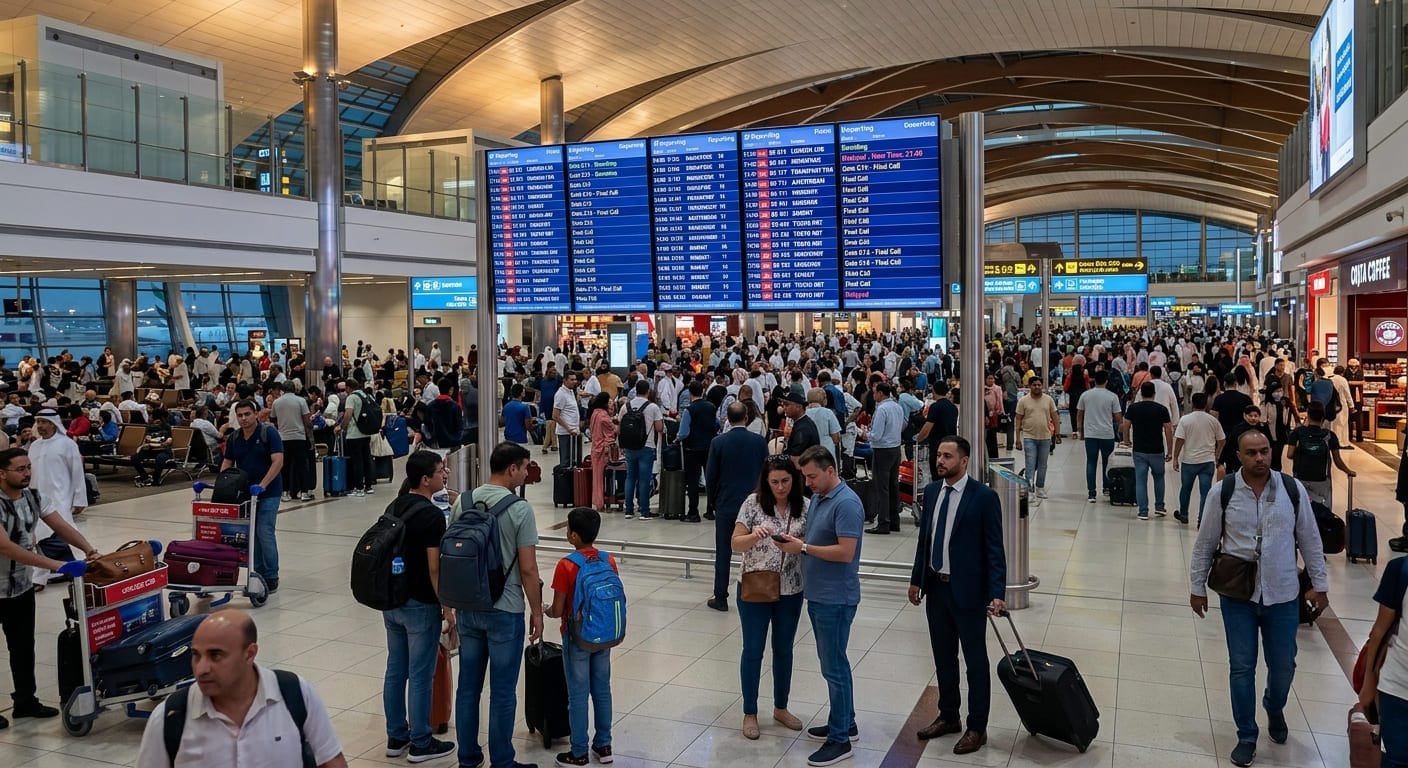
Airport authorities stress that ground operations, baggage handling, and transit facilities across DXB and AUH continue functioning normally to manage disrupted passenger flows.
Passenger Guidance and Policy Flexibility
Travelers affected by delays or cancellations are entitled to flexible rebooking or full refunds under airline customer service policies. Industry experts advise passengers to:
- Monitor live departure and arrival boards directly via airline mobile applications or official airport trackers before departure.
- Update contact details within booking records (PNRs) to ensure real-time SMS or email flight notifications.
- Utilize self-service rebooking portals provided by carriers to secure alternative itineraries without waiting in terminal customer service queues.
Travelers seeking current aviation safety guidelines and regional updates can monitor advisories issued by the International Civil Aviation Organization.