
U.S. Unveils Strict New Visa Restrictions Targeting Multi-Million Dollar "Birth Tourism" Networks
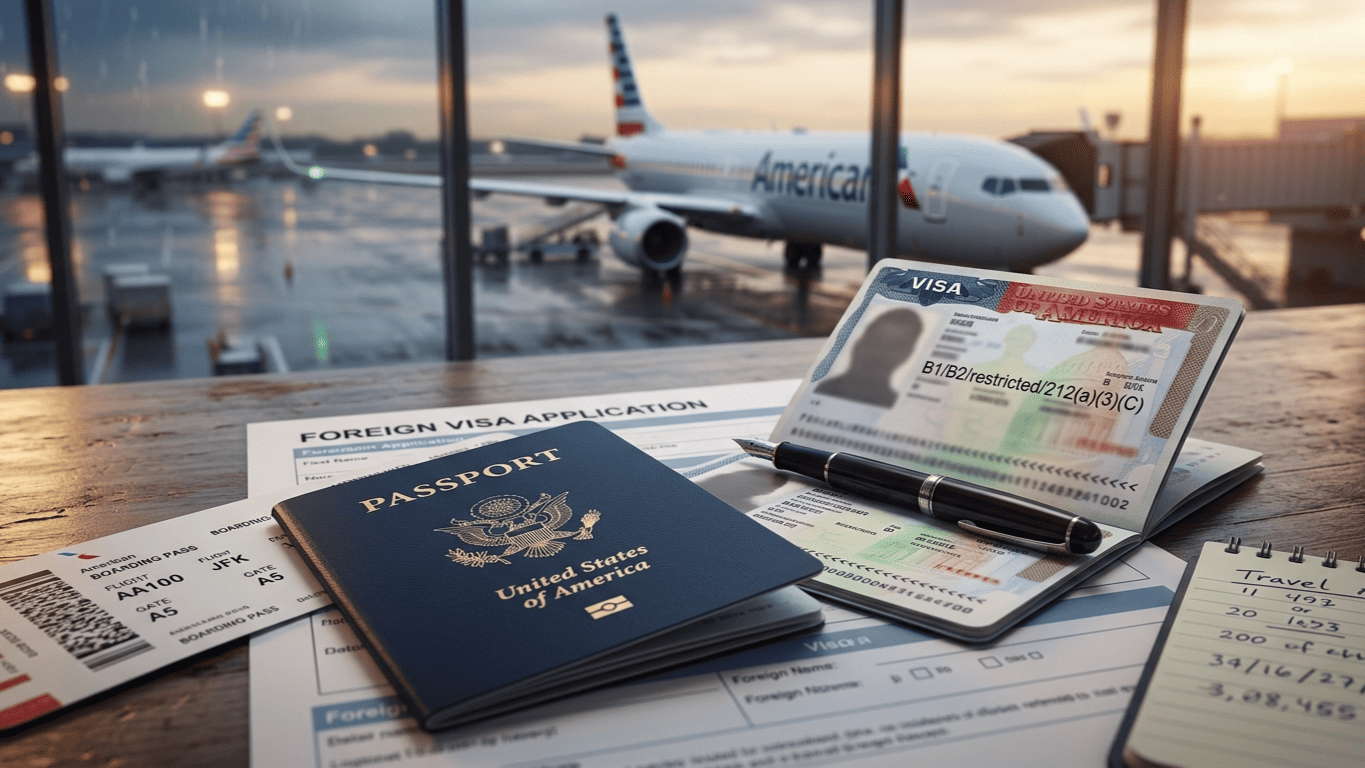
The U.S. government is taking its sharpest measures yet to dismantle commercial birth tourism. Under a newly announced State Department policy, federal officials are expanding visa restrictions to target not only foreign nationals attempting to travel to the U.S. primarily to give birth, but also the entire ecosystem of operators, "fixers," and medical accomplices who profit from the practice.
Invoking Section 212(a)(3)(C) of the Immigration and Nationality Act, Secretary of State Marco Rubio announced that the government will systematically deny or revoke visas for individuals who organize, facilitate, or knowingly benefit from commercial birth schemes.
The move marks a major shift: rather than simply relying on front-line consular interviews overseas, federal authorities are moving aggressively against international supply chains that turn U.S. citizenship into a high-ticket consumer product.
1. Targeting the Business of Birth Tourism
For years, commercial birth tourism networks have operated lucrative operations overseas. These agencies often charge foreign parents tens of thousands of dollars for all-inclusive packages—promising birth coaching, luxury housing, medical arrangements, and guaranteed U.S. passport processing.
The new policy specifically expands enforcement to include:
- Operators and Managers: Owners and executives running commercial birth networks overseas and in the U.S.
- Visa "Fixers": Brokers who coach visa applicants to lie to consular officers or border agents about their travel plans.
- Medical Collaborators: Foreign and U.S.-based medical providers who knowingly aid birth schemes or facilitate fraudulent access to safety-net programs like Medicaid.
By focusing heavy legal penalties on facilitators, immigration authorities hope to choke off the commercial pipelines feeding these trips.
2. Executive Orders and Interagency Task Forces
This policy expansion builds on broader administrative efforts, including Executive Order 14419 ("Ending Birth Tourism") and the newly formed [suspicious link removed].
Coordinating across the State Department, Department of Homeland Security (DHS), and Department of Justice (DOJ), the task force has already audited travel histories, resulting in the revocation of over 600 visas held by individuals suspected of abusing tourist credentials. In several instances, authorities uncovered travel itineraries where nonimmigrant visa holders entered the U.S. under cover stories—such as attending trade conferences or taking family vacations—only to give birth days after arrival.
3. What This Means for Pregnant Travelers
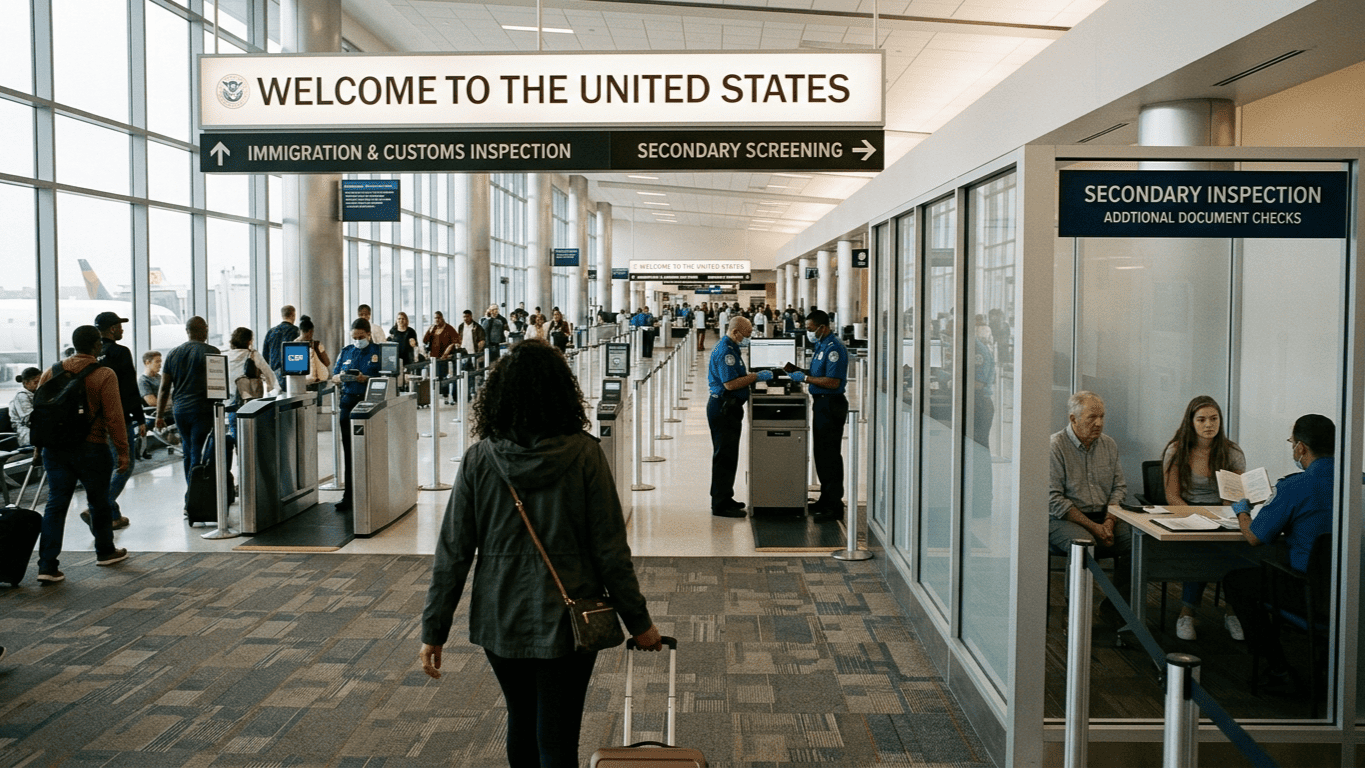
Federal agencies emphasize that the law does not bar pregnant women from visiting the United States. Legitimate travel for tourism, business, or specialized medical treatments remains entirely permitted.
However, enforcement at foreign embassies and ports of entry will be noticeably tighter. To navigate the rules safely, legitimate travelers should keep the following in mind:
- Transparency is Crucial: Consular officers evaluate whether B-1/B-2 visitor visa applicants are being honest about their travel intentions. Hiding a pregnancy or lying about an itinerary can lead to permanent visa ineligibility due to fraud.
- Proof of Medical Funding: If traveling for medical care, travelers must demonstrate they have sufficient personal funds or private insurance to pay all hospital and doctor expenses without relying on public assistance.
- Consular Screening: Under long-standing rules updated in the U.S. Department of State Visa Regulations, visas will be denied if an officer determines that the primary purpose of travel is obtaining American citizenship for a child.
4. Protecting Citizenship Integrity
While constitutional guarantees surrounding birthright citizenship under the Fourteenth Amendment remain intact, the federal government's enforcement focus has turned decisively toward nonimmigrant visa fraud.
By treating commercial birth tourism as an organized immigration fraud scheme rather than a minor administrative infraction, officials are sending a direct message: U.S. visitor visas are meant for genuine travel, not as a back door to citizenship. Foreign nationals considering commercial maternity arrangements face lasting risks, including immediate visa cancellations, port-of-entry turnbacks, and permanent entry bans.