
TSA Accelerates PreCheck Airport Security with Expanded Biometric and Facial Recognition Rollout
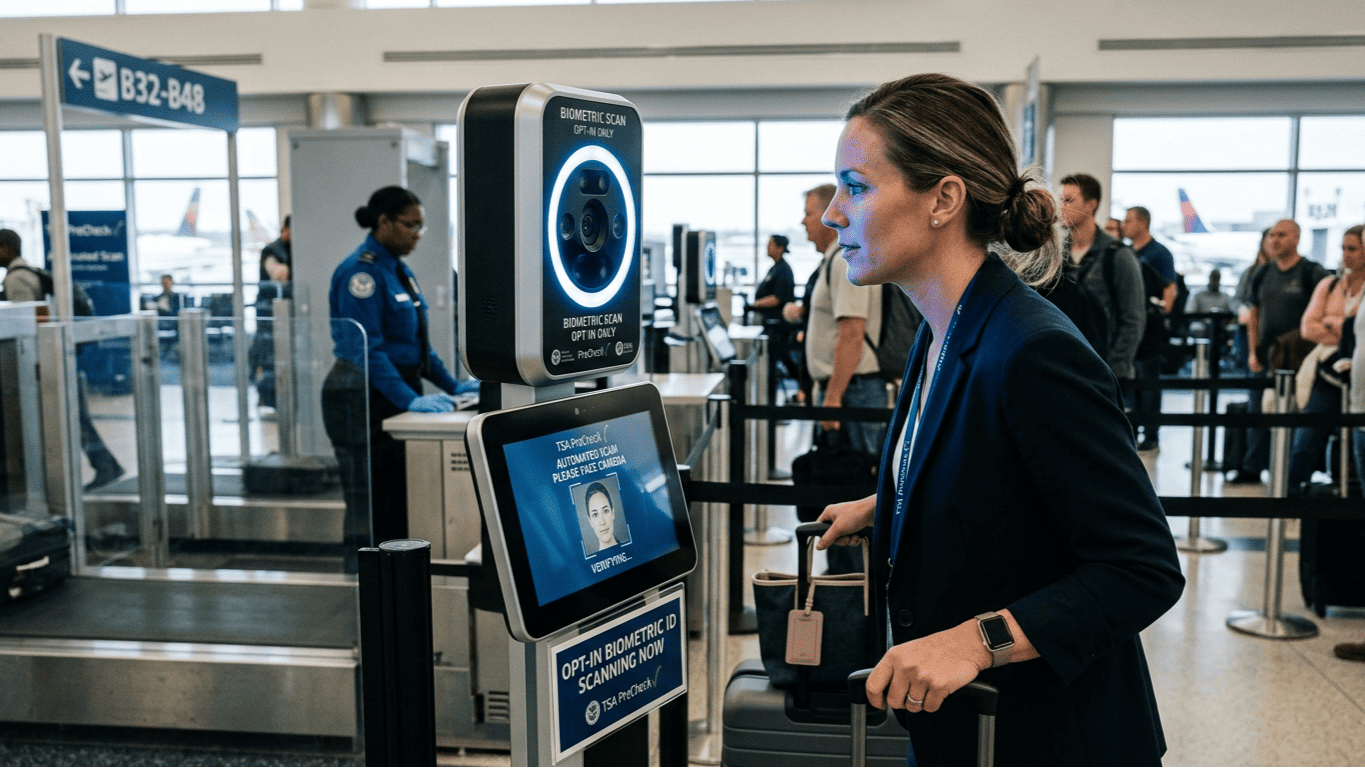
Airport security checkpoints are undergoing a major technology overhaul as the Transportation Security Administration expands its suite of facial recognition and touchless identification systems nationwide. The rollout, targeted primarily at TSA PreCheck lanes, aims to shrink queue times, improve identity verification accuracy, and clear bottleneck points during peak travel hours.
The core of the upgrade rests on TSA PreCheck Touchless ID technology. Instead of handing a physical driver's license or passport to an officer and scanning a paper or digital boarding pass, enrolled passengers simply stand in front of a biometric camera. The system compares a live photo against pre-verified government records—such as a passport photo associated with an active airline profile or digital ID pass—and confirms identity in under five seconds.
The technology has already expanded across dozens of major U.S. hubs, with participating carriers including American Airlines, Delta Air Lines, United Airlines, Southwest Airlines, Alaska Airlines, and Hawaiian Airlines supporting direct opt-ins through their mobile applications.
Operational Efficiency and Privacy Safeguards
The automated identity verification system is designed to streamline the document-checking stage, freeing up security officers to focus on broader queue management and oversight. In addition to airline app integrations, the agency has expanded opt-in avenues through partnerships with platforms like Google Wallet, allowing eligible U.S. passport holders to store digital ID passes directly on their mobile devices.
Addressing privacy concerns surrounding biometric data collection in public spaces, federal officials emphasize that participation in Touchless ID remains strictly voluntary.
"Biometric verification at the checkpoint is an opt-in experience," the agency stated regarding privacy standards. "Photos taken at security lanes are used exclusively for real-time identity verification and are deleted within 24 hours of scheduled flight departures under standard operating procedures."
Travelers who prefer traditional verification can opt out at any time without losing their spot in line, presenting physical REAL-ID compliant identification to a TSA officer instead.
The Broader Push for Automated Airport Terminals
The biometric expansion forms part of a larger, long-term initiative by the U.S. Department of Homeland Security to modernize passenger screening. Alongside facial comparison cameras, airports are testing self-service credential gates and automated threat-detection software in baggage screening lanes.
As air travel demand maintains record volume levels, airport operators and industry groups view biometric technology as a crucial tool for keeping checkpoints fluid. With touchless identity verification continuing to expand into bag drops, security gates, and departure boarding doors, the traditional paper-and-plastic check-in process is rapidly giving way to a digital-first terminal experience.