Too Hot to Handle: How Heatwaves and Wildfires Are Reshaping Europe’s Summer Travel
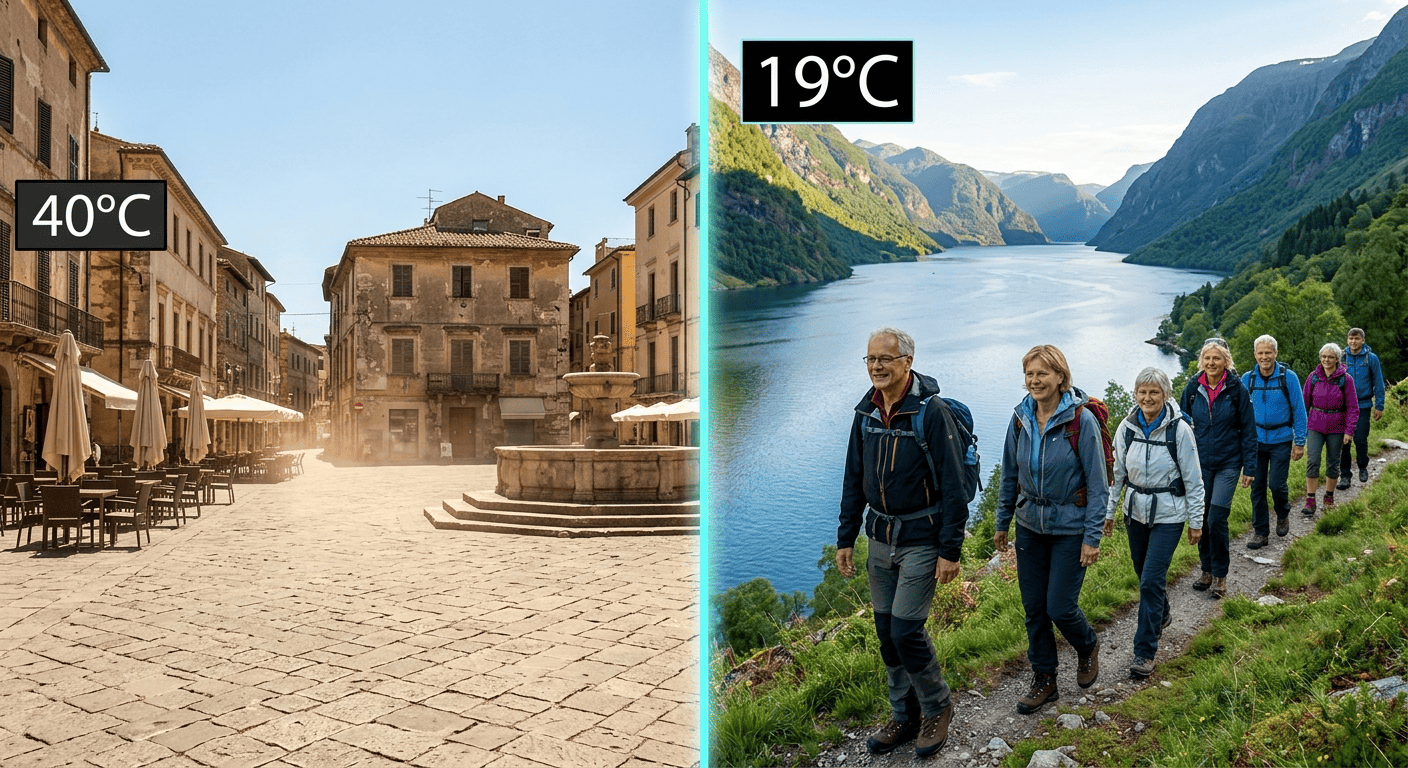
For decades, the summer dream for millions was straightforward: book a flight to Southern Europe, head straight for a Mediterranean beach, and soak up the sun. But over the last few years, that idyllic escape has turned into a survival test.
As heatwaves push temperatures past 40 C (104 F) across Spain, Greece, Italy, and France, and wildfires scorch vast swathes of forest, the reality of summering in Southern Europe is undergoing a massive shift. Holidaymakers are no longer just comparing hotel prices—they’re checking fire risk maps, air quality indices, and weather warnings before packing their bags.
Here is how extreme heat is changing how, when, and where we travel across Europe.
The Reality on the Ground: Evacuations and Altered Itineraries
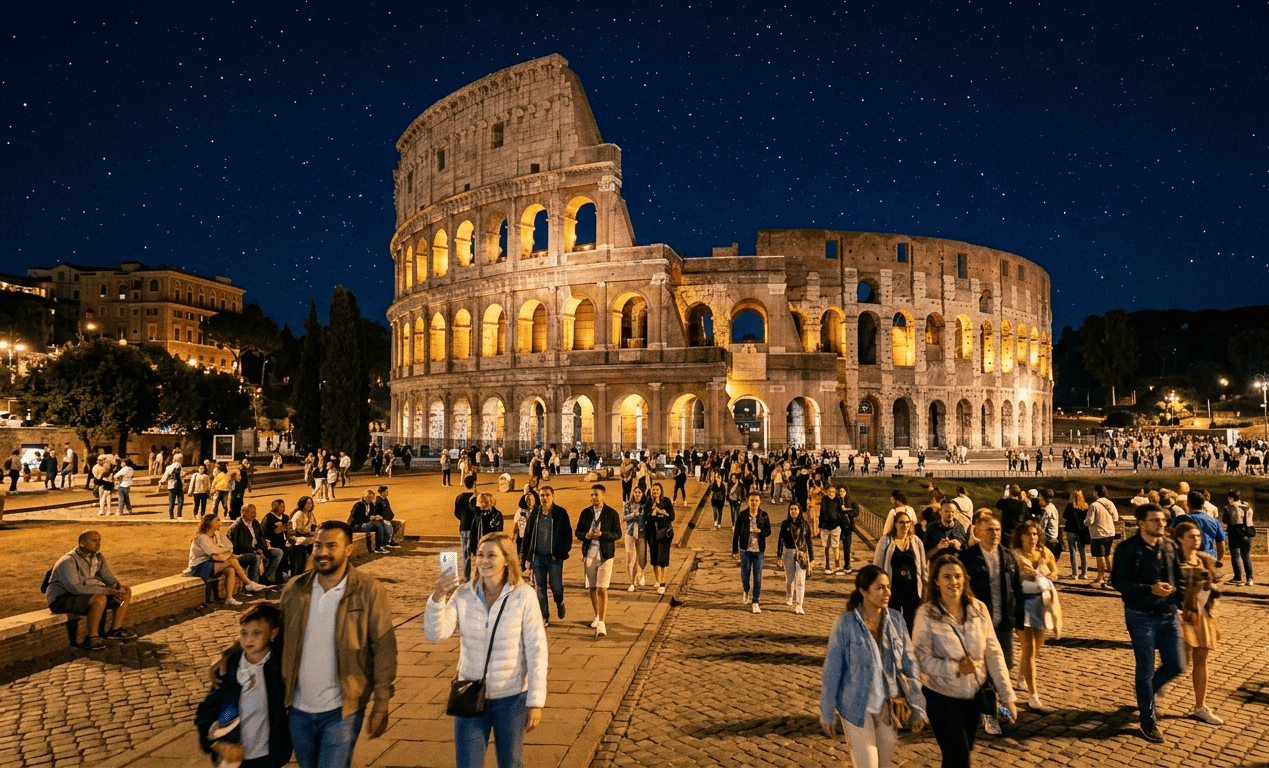
When temperatures hit extremes, typical tourist activities become practically impossible. Walking around ancient ruins like the Acropolis in Athens or exploring Rome’s plazas during midday is no longer just uncomfortable; it’s a genuine health hazard, leading city officials to shut down major sites during peak heat hours.
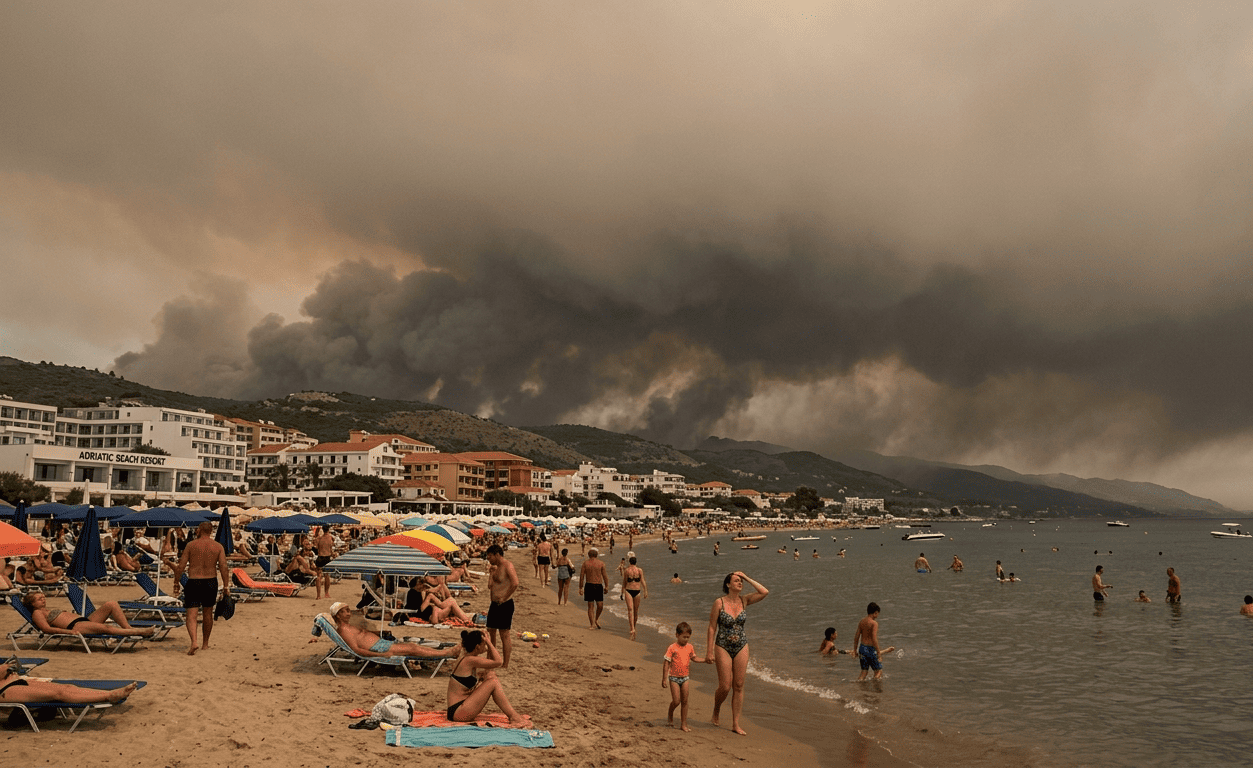
Beyond the immediate physical discomfort, wildfires pose an unpredictable threat to travel plans. Thousands of tourists in recent seasons have faced emergency evacuations from popular island resorts in Greece and coastal villages in France and Spain. Flights get canceled, air quality plummets from wildfire smoke hundreds of miles away, and holiday itineraries crumble overnight.
The Big Shifts: Shoulder Seasons and "Coolcations"
Travelers aren't abandoning vacation plans altogether—they are adapting. The tour industry is seeing clear structural shifts in booking patterns. The most notable trend is the massive surge in shoulder season travel. According to data from the European Travel Commission, travelers are increasingly avoiding the intense peak heat of July and August in favor of May, June, September, and October. These off-peak months offer comfortable temperatures, manageable crowds, and a significantly lower risk of weather-related disruptions.
At the same time, the "coolcation" trend is taking off. Instead of heading south toward the Mediterranean, more visitors are steering north to temperate regions. Official tourism bodies like Visit Norway have reported double-digit booking increases in Nordic countries as travelers actively seek out outdoor adventures in places like Sweden, Finland, Scotland, and Ireland without the sweltering heat.
Meanwhile, climate risks have made environmental monitoring an essential part of trip planning. Travelers now routinely check resources like the Copernicus Emergency Management service for live wildfire tracking and regional air quality impacts to safeguard their vacations against smoke and active blazes.
How Cities and Tour Operators Are Adapting
Tourism-dependent economies aren't standing still. Cities across Southern Europe are making structural investments to adapt:
- Night-time Sightseeing: Major destinations are keeping historic landmarks, museums, and archaeological parks open well into the night, encouraging tourists to explore after the sun goes down.
- Urban Cooling Infrastructure: Cities like Rome and Madrid are building networks of air-conditioned refuge hubs, expanding urban tree canopies, and adding accessible water stations across public spaces.
- Flexible Booking Policies: Travel agencies and hotels are increasingly offering heat-wave guarantees, allowing guests to reschedule or adjust trips if extreme weather hits.