
Thousands Stranded as American and Southwest Face Massive Flight Disruptions
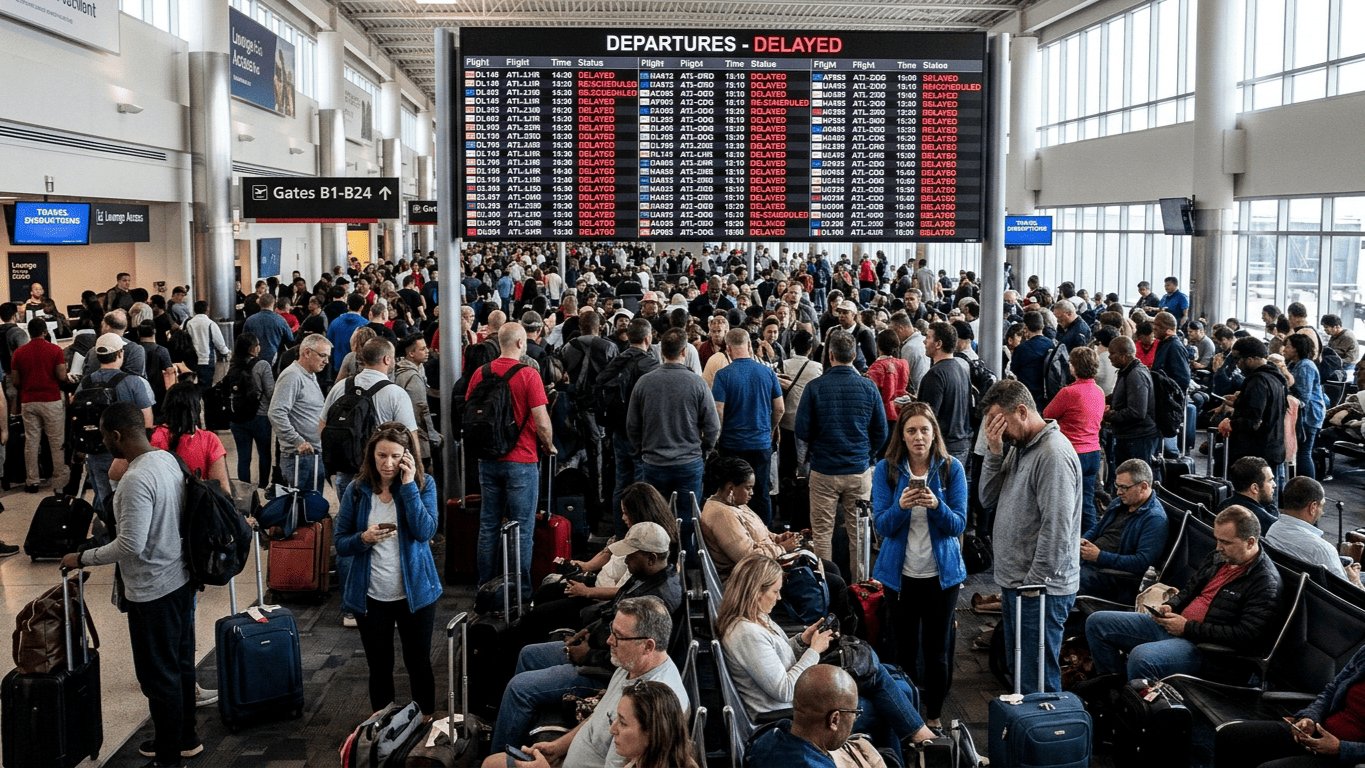
Passengers across the country were left scrambling this week as flight operations for two of North America's largest carriers descended into widespread gridlock. More than 2,000 flights operated by American Airlines and Southwest Airlines experienced severe delays, leaving thousands of travelers stranded in terminal corridors, missing critical connecting flights, and searching for answers.
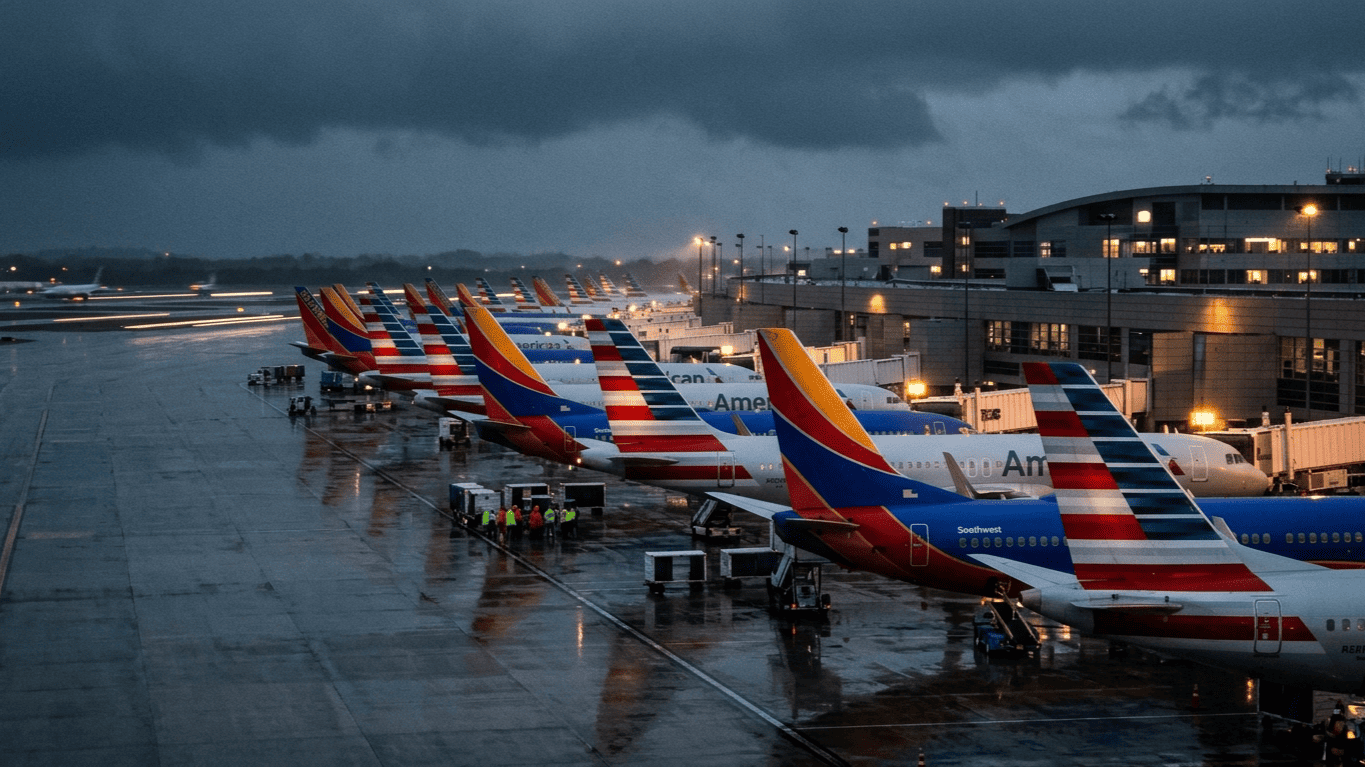
Data tracking flight disruptions showed a steady build-up of delays starting early in the day, expanding into major flight hubs including Dallas/Fort Worth, Chicago O'Hare, Denver International, and Phoenix Sky Harbor. What began as scattered schedule revisions quickly escalated into a system-wide bottleneck for both domestic giants.
What Triggered the Disruption?
While exact causes can vary across air traffic control corridors, initial reports point to a combination of localized severe weather fronts, tight staffing margins, and high passenger demand straining air traffic management capacity. In air travel, even minor localized disruptions can trigger a severe domino effect. When aircraft and aircrews fall out of position due to initial morning delays, subsequent afternoon flights suffer compounded wait times.
Both airlines acknowledged the disruption in statements to travelers, urging customers to monitor their flight statuses closely via mobile apps prior to departing for the airport.
American Airlines noted that crews were working around the clock to re-route aircraft and assist impacted travelers. Meanwhile, Southwest Airlines pointed to elevated traffic volumes and ground stops at key hubs, assuring passengers that rebooking assistance was being prioritized across digital and airport service channels.
Impact on Travelers and Airport Terminals
Inside airport terminals, lines stretched long past check-in desks as passengers sought alternate routes. Many expressed frustration over limited immediate rebooking options during peak travel periods when remaining flights were already booked to capacity.
Air travel consumer advocates emphasize that knowing your rights during major travel meltdowns is crucial. Under current federal regulations, passengers facing significant delays or cancellations are entitled to full cash refunds if they choose not to travel on a significantly altered itinerary. However, when delays stem from weather or air traffic control directives, airlines are generally not required to provide hotel vouchers or meal compensation, leaving travelers to bear initial out-of-pocket costs.
To check real-time air traffic conditions and operational status updates across national airports, travelers can consult official tracking resources at the Federal Aviation Administration Flight Service platform.
How Passengers Can Protect Their Trips
Industry experts recommend taking several proactive steps when dealing with operational disruptions:
- Download the Airline App: Both American Airlines and Southwest allow instant self-service rebooking through their official mobile applications, often faster than waiting in line at an airport customer service counter.
- Know Consumer Rights: Understanding airline obligations regarding refunds, rebooking, and delay compensation ensures you receive what you are owed. You can review detailed rights guidelines through the U.S. Department of Transportation Consumer Protection portal.
- Travel Early in the Day: Morning flights are statistically less likely to suffer long delays compared to late afternoon or evening departures that sit at the end of a cascading disruption chain.
- Keep Essential Items Handy: Alwayspack medication, extra electronic chargers, and basic necessities in carry-on luggage rather than checked bags in case your luggage gets separated during a delay.
As both carriers work to normalize flight schedules over the coming hours, passengers are advised to double-check their flight status before heading out the door.