The Odyssey Search Surge: How Mediterranean Travel Brands Are Ranking for Hollywood’s Next Big Epic
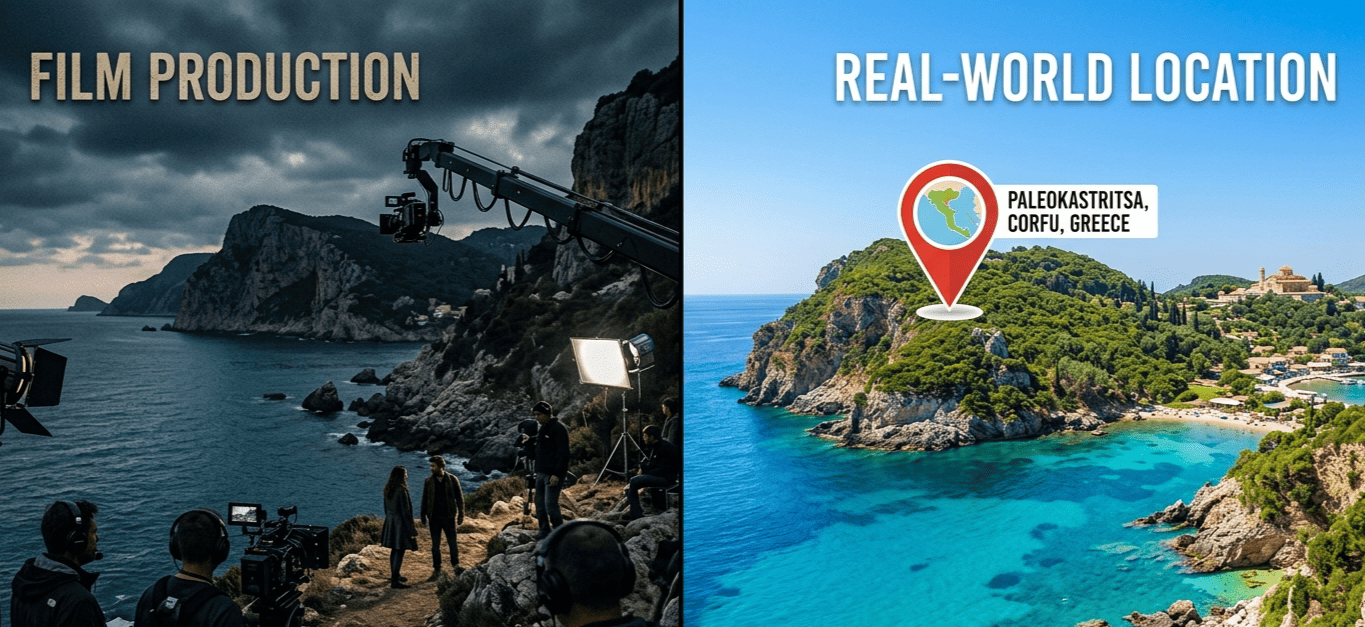
As cinematic adaptations of Homer’s The Odyssey bring the ancient Mediterranean back to screen, a quiet gold rush is unfolding far beyond box offices. From the rugged cliffs of Corfu to the sun-baked coves of Sicily’s Favignana, coastal destinations featured on screen are experiencing an unprecedented surge in "set-jetting"—the trend where travelers book vacations based on movie locations.
Yet behind this surge in foot traffic lies a digital strategy: search engine optimization (SEO). Destination management organizations (DMOs), boutique hotel chains, and tour operators are using targeted content clustering and digital PR to capture traveler intent long before booking engine algorithms step in.
The Set-Jetting Surge: Screen Time to Shoreline
Film tourism is hardly new, but recent Odyssey productions have accelerated the timeline between a viewer leaving the theater and booking a flight. When high-profile film shoots take over locations like the Peloponnese, local search queries for regional landmarks spike within hours of trailer drops and location reveals.
Key Mediterranean regions are already seeing distinct search patterns based on their cinematic roles:
- Corfu, Greece: Serving as the Homeric shoreline and ancient Ithacan coastline, it primarily captures queries like
where was Odyssey filmed in GreeceandCorfu filming locations. - Favignana, Sicily: Positioned as Penelope’s palace and coastal strongholds, search intent centers on
Favignana castle locationandislands near Sicily film locations. - The Peloponnese: Home to mythological landscapes and coastal caves, it draws high-intent searches such as
Nestor's Cave travel guideandPeloponnese luxury resorts.
Travel marketers who win this traffic aren't relying on passive social media buzz. They are building structured search funnels tailored to cinematic interest.
The SEO Playbook: Converting Movie Buffs into Travelers
Capturing film-driven search traffic requires more than stuffing "The Odyssey movie" into a blog title. Search engines prioritize high-relevance, authoritative content that satisfies clear intent. Successful travel brands follow a three-step blueprint:
- Targeting High-Intent Long-Tail KeywordsInstead of competing for broad terms like "Greece travel," brands build pages for specific queries such as
how to visit Odyssey movie filming locations in Corfuorbest hotels near Favignana film set. - Building Contextual Content ClustersPublishers aggregate location guides under dedicated hub pages (e.g., The Ultimate Odyssey Set-Jetting Travel Guide). Internal linking spreads domain authority from high-traffic viral posts down to high-converting booking pages.
- Optimizing for Local and Visual SearchIncorporating schema markup (such as
TouristAttractionandLocationFeatureSpecification) allows search engines to display rich snippets, interactive map pins, and image carousels directly in SERPs.
Industry resources like the Google Search Central Guide outline the technical structured data standards required to rank rich media elements, while destination portals like Visit Greece leverage direct location branding to capture organic traffic at the top of the funnel.
Digital PR & Authority-Building Backlinks
High rankings depend on backlink profiles. To gain editorial links from major travel outlets such as Lonely Planet or National Geographic, tourism boards and travel agencies execute focused Digital PR campaigns:
- Location Map Releases: Distributing downloadable interactive Google Maps of film locations to entertainment journalists covering movie news.
- Data-Driven Press Releases: Pitching stories on search volume spikes (e.g., "Search Interest in Favignana Jumps 300% Post-Trailer") to trade journals likeSkift.
- Cross-Industry Partnerships: Collaborating with regional film commissions—such as the Ionian Islands Film Office—to secure contextual backlinks from government databases and official production press notes.