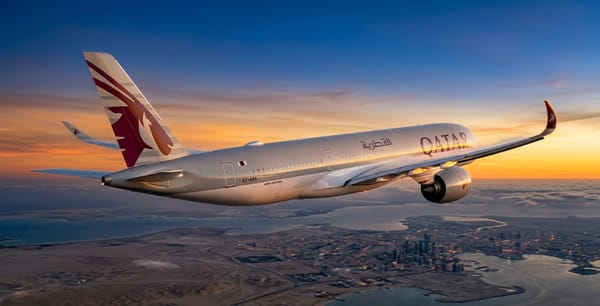
The Future of Aviation: Innovation, Sustainability, and Global Connectivity


The global aviation industry is entering a transformative era driven by technological innovation, sustainability initiatives, and growing demand for international travel. As airlines continue to expand their networks and invest in modern aircraft, aviation remains one of the most important sectors supporting global trade, tourism, and economic development. The industry's ability to connect people, businesses, and cultures across continents has made air travel an essential component of the modern world.
Commercial airlines are experiencing strong passenger demand as international travel continues to recover and expand. Airports around the world are reporting increased passenger traffic, while carriers are introducing new routes to meet growing demand from both leisure and business travellers. Emerging markets are playing a significant role in this growth, with rising incomes and improved airport infrastructure encouraging more people to travel by air than ever before.
Technological advancements are reshaping nearly every aspect of aviation. Aircraft manufacturers are developing more fuel-efficient airplanes equipped with advanced aerodynamics, lightweight composite materials, and next-generation engines that consume less fuel while reducing emissions. Digital technologies, including artificial intelligence, predictive maintenance, and real-time data analytics, are improving operational efficiency, enhancing passenger experiences, and helping airlines reduce costs without compromising safety.
Sustainability has become a central focus for the aviation sector as governments, airlines, and manufacturers work together to reduce the industry's environmental impact. Significant investments are being made in Sustainable Aviation Fuel (SAF), electric aircraft, hydrogen-powered aviation, and carbon reduction programmes. Many airlines have announced long-term commitments to achieving net-zero carbon emissions, while airports are adopting renewable energy systems and greener ground operations to support environmental goals.
Passenger experience continues to evolve as airlines invest in digital transformation and customer-focused services. Contactless check-in, biometric identity verification, mobile boarding passes, and personalised travel applications are making airport journeys faster and more convenient. Many airlines are also upgrading cabin interiors with improved seating, enhanced in-flight entertainment, high-speed Wi-Fi, and expanded premium travel options to meet changing customer expectations.
Cargo aviation remains a critical pillar of the global economy, enabling the rapid movement of goods across international markets. The continued growth of e-commerce has increased demand for air freight services, prompting logistics companies and cargo airlines to expand their fleets and modernise distribution networks. Fast and reliable air cargo services are essential for transporting medical supplies, high-value products, perishable goods, and time-sensitive shipments worldwide.
Airport infrastructure is also undergoing significant transformation to accommodate increasing passenger numbers and improve operational efficiency. Many countries are investing billions in new terminals, runway expansions, smart security systems, and automated baggage handling technologies. Smart airports are leveraging artificial intelligence, robotics, and the Internet of Things (IoT) to streamline passenger processing while improving safety and reducing delays.
Despite its positive outlook, the aviation industry continues to face challenges, including fluctuating fuel prices, supply chain disruptions, skilled labour shortages, and evolving regulatory requirements. Airlines must also navigate changing consumer expectations, cybersecurity risks, and climate-related disruptions while maintaining high standards of operational safety and reliability. Industry leaders are responding by investing in workforce training, digital resilience, and long-term strategic planning.
Safety remains the foundation of global aviation. International aviation authorities and airlines continue to implement rigorous safety standards, regular aircraft maintenance programmes, and advanced pilot training to ensure secure operations. Continuous improvements in aircraft technology, air traffic management, and regulatory oversight have contributed to making commercial aviation one of the safest modes of transportation in the world.
Looking ahead, the future of aviation appears highly promising. Continued investment in sustainable technologies, digital innovation, and modern infrastructure is expected to drive long-term growth while reducing environmental impact. As airlines expand connectivity and embrace cleaner, smarter solutions, aviation will continue to play a vital role in supporting global mobility, economic prosperity, and international collaboration, connecting millions of people and businesses across the world every day.