
The Ecosystem of Tourism Growth: How Air Routes, Hotels, and Attractions Must Align to Build Sustainable Destinations
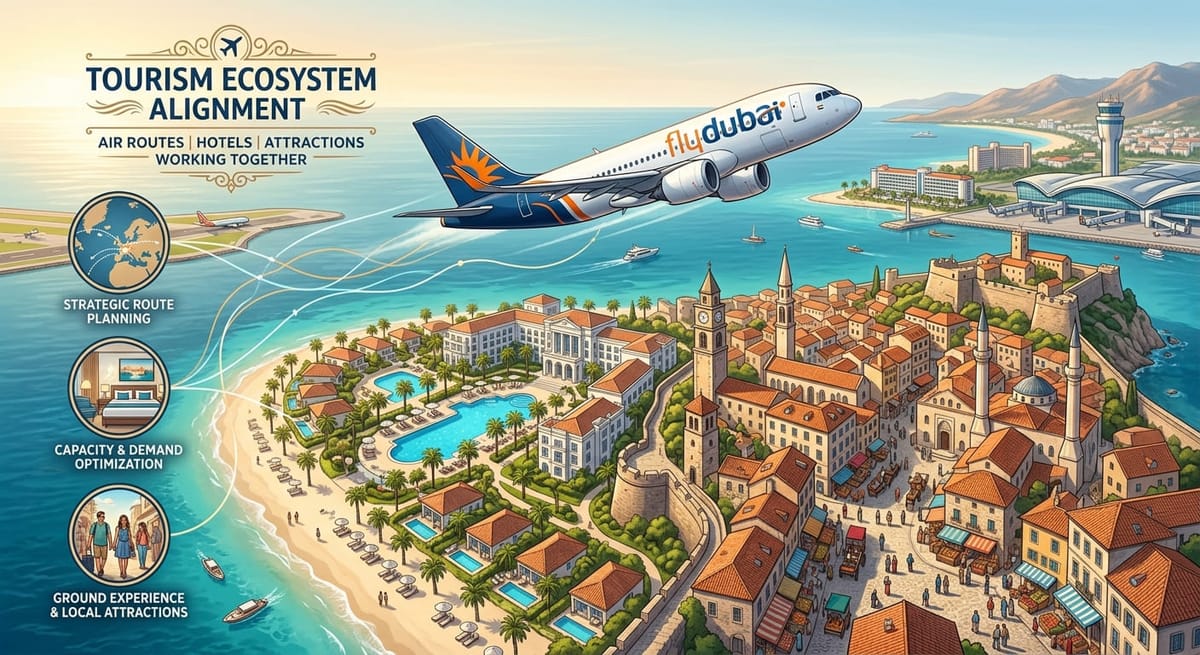
In an increasingly competitive global travel market, building a resilient and profitable destination requires far more than isolated marketing campaigns. Industry leaders and destination management organizations (DMOs) are adopting a unified ecosystem approach, bringing together three critical pillars of tourism: air route connectivity, hotel capacity, and local attraction infrastructure.
Historically, airlines, hoteliers, and regional attractions operated in silos. Airlines scheduled routes based strictly on passenger yields, hotel developers prioritized real estate metrics, and local attractions focused primarily on ground foot traffic. Today, market dynamics demand full alignment across all three sectors to unlock sustainable, long-term destination growth.
Aligning Air Capacity with Accommodation Dynamics
A primary driver of failed tourism expansion is the imbalance between airlift capacity and local room inventories. When airlines introduce new direct frequencies into a region without sufficient hotel infrastructure, room rates spike, leading to poor visitor satisfaction and eventual route cancellations. Conversely, hotel expansion without corresponding air connectivity results in depressed occupancy rates and price wars.
Data-driven collaboration between airline network planners and hotel associations allows destinations to map seasonal demand accurately. By synchronizing launch dates, joint marketing budgets, and room block allocations, destinations create stable entry conditions for low-cost and legacy carriers alike.

Ground Experience: Giving Airlines a Reason to Fly
Airlines do not create demand; they react to it. For carriers to commit aircraft to a new market, the destination must feature compelling cultural, recreational, or business drivers. Local attractions, heritage sites, theme parks, and eco-tourism operators form the primary core of this consumer pull.
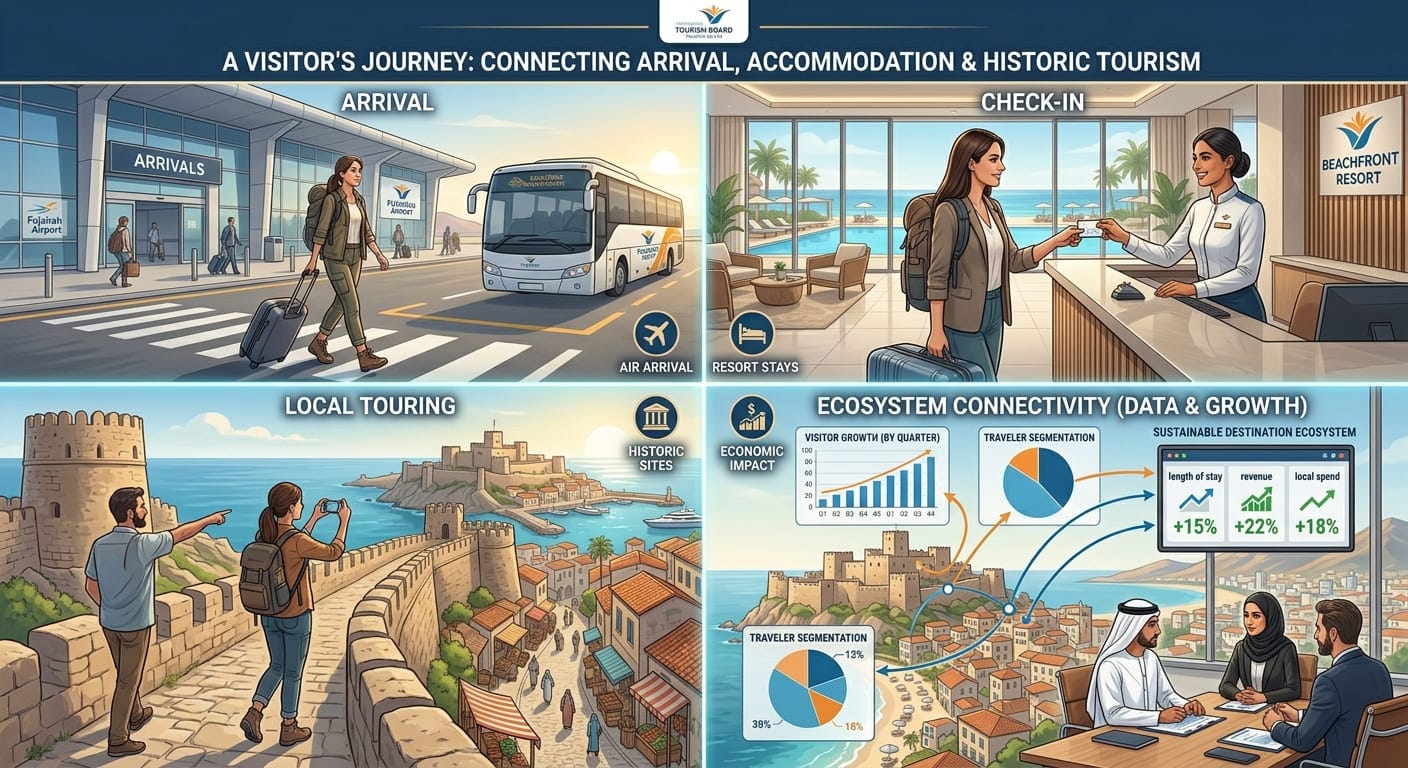
Cross-sector partnerships—such as bundling airline boarding passes with attraction discounts, creating multi-day regional passes, or developing curated excursion packages—increase length of stay and direct tourist spend. When local experiences actively market alongside regional transit providers, passenger yields stabilize across both peak and shoulder seasons.
Core Strategies for Ecosystem Alignment
- Shared Data Integration: DMOs must establish centralized data exchanges combining flight search intent, hotel booking windows, and attraction ticket sales to spot market gaps in real time.
- Co-Funded Route Support: Hoteliers, attraction operators, and airport authorities should pool resources for joint destination marketing and airline incentive programs.
- Unified Stakeholder Councils: Forming destination task forces ensures airlines, hoteliers, and local attractions plan 12 to 24 months in advance.
For additional insights into air route planning and airport strategy, visit the International Air Transport Association (IATA). To explore sustainable destination management guidelines, consult UN Tourism. For global travel trends and destination intelligence, refer to the World Travel & Tourism Council (WTTC).