
Thailand Cuts Visa-Free Stay to 30 Days Starting Sept 15: What Travelers Need to Know
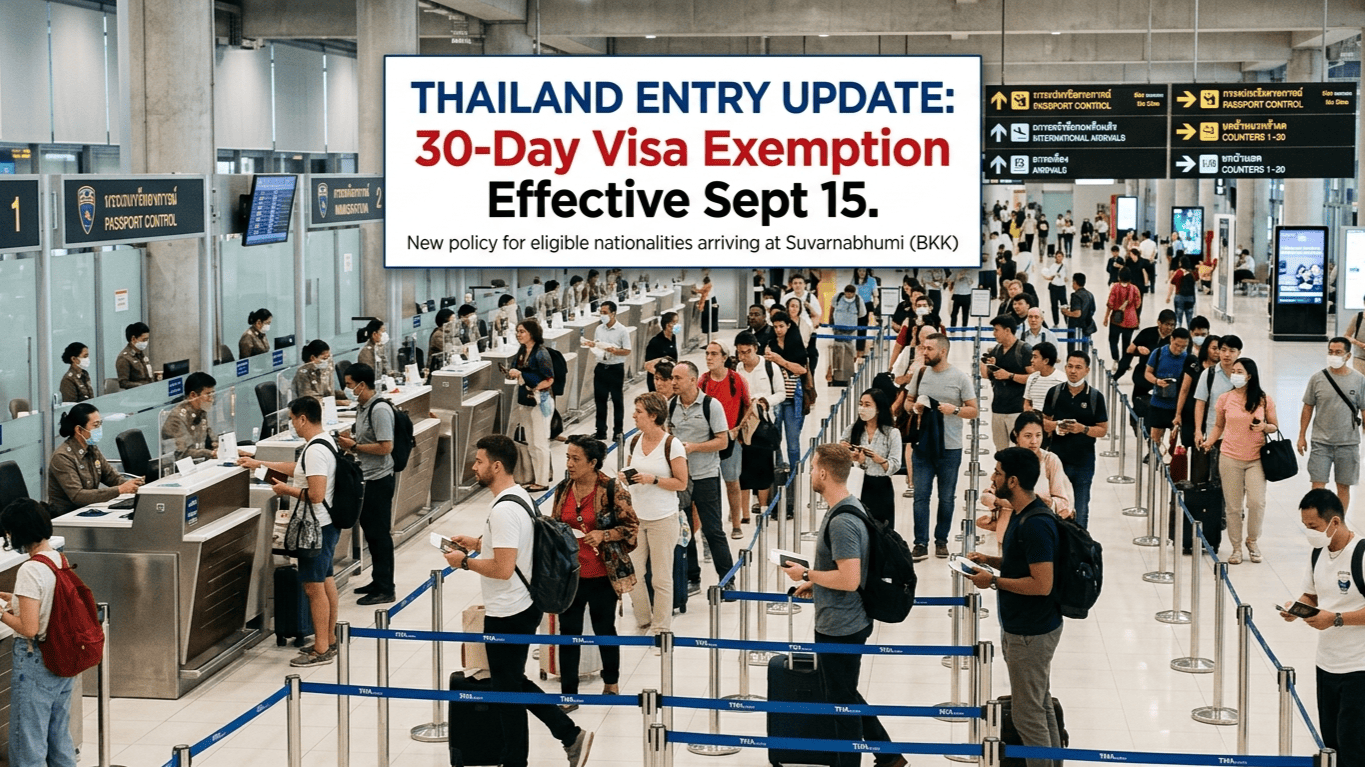
Foreign travelers planning long-term escapes to Thailand's tropical beaches and vibrant markets will need to adjust their itineraries. Starting September 15, 2026, Thailand is officially rolling back its temporary 60-day visa exemption, cutting the permitted stay for tourists down to 30 days upon arrival.
The decision, finalized in the Royal Gazette on August 31, officially ends the generous two-year trial scheme launched in July 2024 to spur post-pandemic travel. Authorities cite the need for better immigration oversight, curbing illegal employment, and tackling nominee business arrangements that emerged during the extended period.
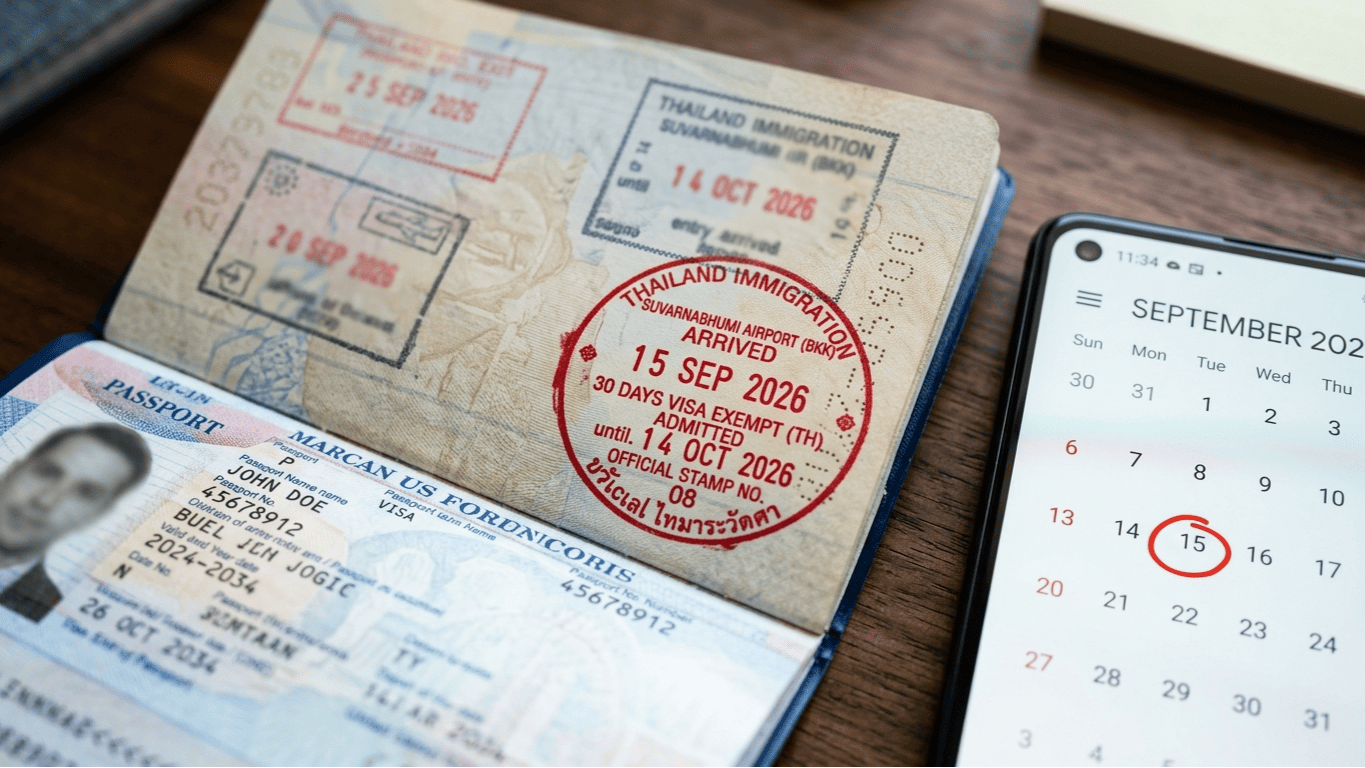
What the New Rules Mean for Travelers
Under the updated framework, citizens from 60 eligible countries—including the United States, Canada, the UK, Australia, EU member nations, Japan, and India—will receive a 30-day stamp upon arrival via air or sea.
Key operational changes entering into force include:
- In-Country Extensions: Tourists who need extra time can still apply for a one-time 30-day extension at local immigration offices for a 1,900 Baht fee, allowing for a total potential stay of 60 days.
- Land Border Caps: Travelers entering via land borders will be capped at two visa-exempt entries per calendar year. (Exemptions apply to citizens of Malaysia, Singapore, Indonesia, and Brunei).
- Grandfather Clause: Anyone arriving in Thailand before midnight on September 14 will still receive the original 60-day entry stamp, which remains fully valid.
For remote workers and slow-travelers, long-stay alternatives such as the popular Destination Thailand Visa (DTV) or the long-term tourist visa remain viable options for extended stays beyond the standard 30-day cap. Tourists planning near-term trips are encouraged to review updated entry protocols via Tourism Authority of Thailand (TAT) or check comprehensive travel guidelines on GOV.UK Thailand Travel Advice before booking flights.