
Sydney Airport Delays: Air Traffic Controller Shortage Triggers Morning Flight Cancellations
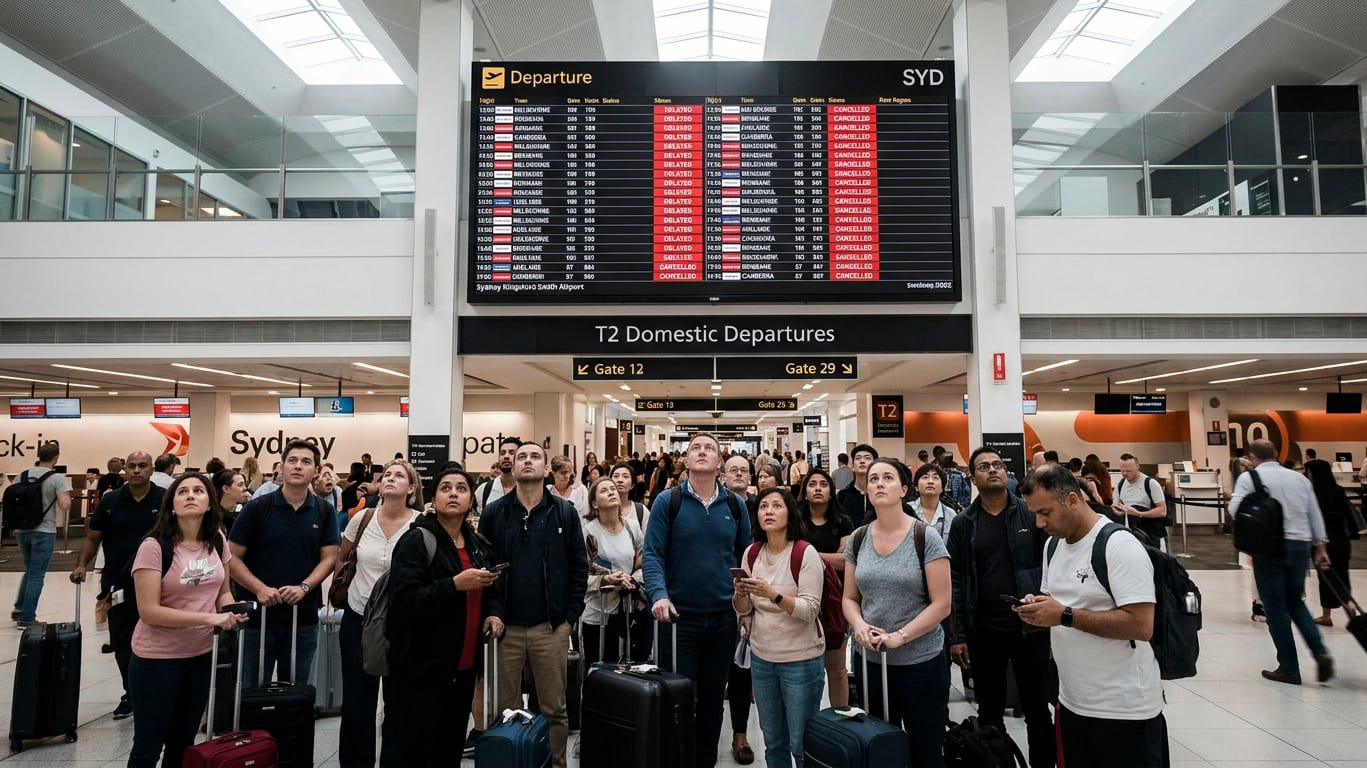
Travelers passing through Kingsford Smith Airport faced significant travel disruptions as a shortage of air traffic controllers forced temporary flight reductions across domestic and international terminals.
The government body responsible for managing national airspace, Airservices Australia, confirmed that strict Air Traffic Flow Management (ATFM) measures were enacted at short notice to maintain safety standards during morning peak hours.
Roster Pressures and Unplanned Absenteeism
The operational squeeze escalated when overnight staff call-outs coincided with existing roster constraints. Speaking before a Senate committee examining aviation reliability, Airservices Australia Deputy Chief Executive Peter Curran stated that being down just a single controller in the Sydney tower triggered wide-ranging schedule adjustments.
- Staffing Thresholds: Out of 49 total controllers assigned to Sydney Airport, a minimum of 41 operational staff are required for full schedule capacity.
- Long-Term Absences: Eight controllers were unavailable due to long-term leave, leaving virtually no buffer to absorb sudden sickness or shift cancellations.
- Schedule Impact: At least 14 inbound flights were canceled outright, while dozens of departing and arriving aircraft experienced delays exceeding one hour.
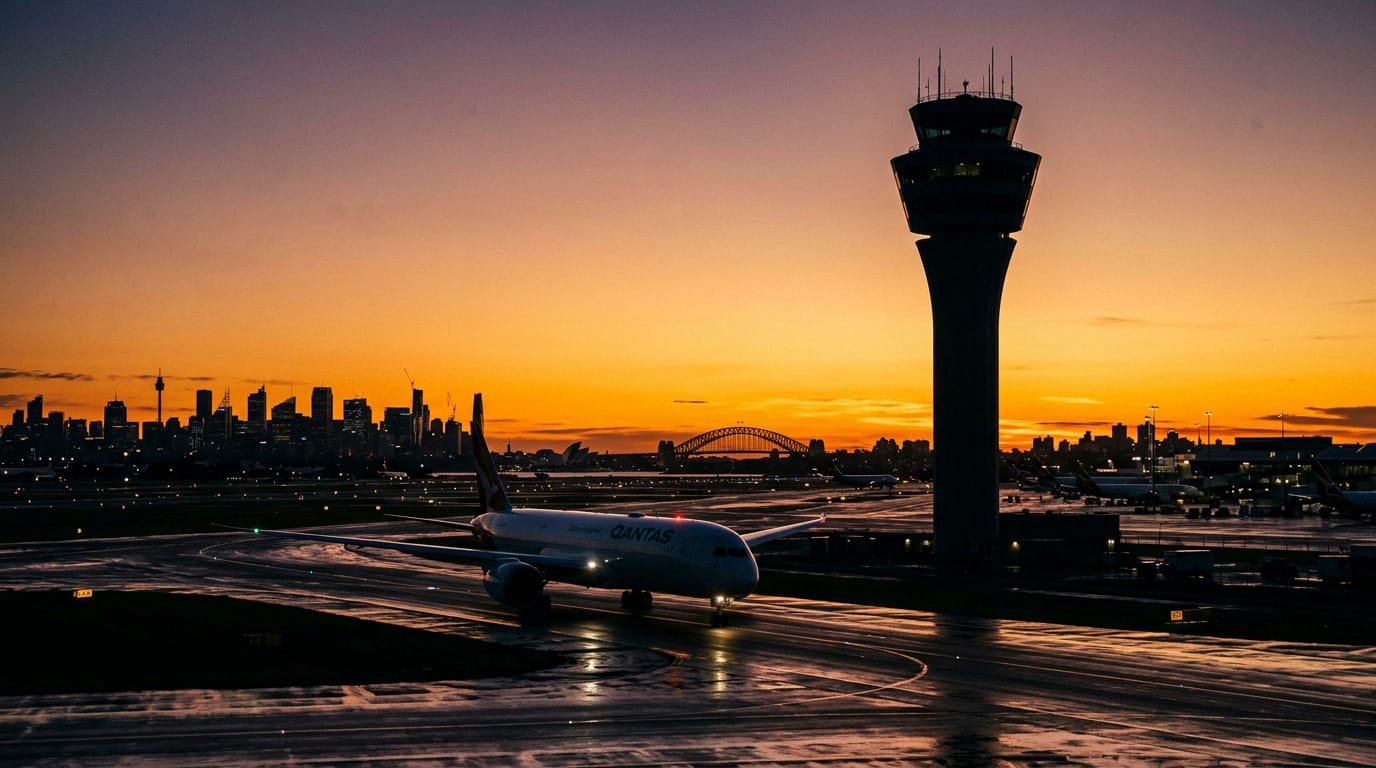
Major domestic carriers—including Qantas and Virgin Australia—adjusted schedules and rebooked passengers onto afternoon flights as ground delays built up across eastern seaboard flight corridors.
Heightened Scrutiny Following Near-Miss Investigations
The latest staffing constraints arrive during an intensive review period for Australian aviation safety. The Australian Transport Safety Bureau (ATSB) is actively conducting inquiries into several near-miss incidents reported near Sydney airspace over recent months.
Internal shift recordings released during parliamentary hearings highlighted staff fatigue and high-pressure working environments within control centers. Industry analysts point out that while global aviation has rebounded strongly, training pipelines for specialized air traffic personnel have struggled to match passenger demand.
What Passengers Should Expect Moving Forward
Airservices Australia confirmed that restrictions were lifted once staffing stabilized, allowing afternoon operations to resume near-normal schedules. However, travelers flying through Sydney Airport are advised to monitor flight statuses closely on airport departure boards during peak morning and evening travel windows.
To address systemic roster pressures, Airservices Australia is expanding its active controller recruitment program and updating shift call-in procedures to build greater operational resilience.