
Spain and Italy Face Tourism Capacity Limits as Egypt and Türkiye Gain Ground

Europe’s tourism landscape is entering a new phase as Spain and Italy face increasing pressure from record visitor demand, limited capacity and growing concerns over overtourism. The development is creating opportunities for alternative destinations, with Egypt and Türkiye emerging as two of the markets best positioned to attract travelers looking for competitive prices, available hotel capacity and a strong Mediterranean holiday experience.
Spain and Italy remain among the world’s most popular tourism destinations, but their success is increasingly creating challenges. During peak periods, major cities and resort areas face overcrowding, rising accommodation prices, pressure on transportation networks and growing concerns among local communities about the impact of mass tourism.
The situation reflects a broader transformation in European travel. International tourism has continued its strong recovery, with millions of travelers returning to Mediterranean destinations. However, growing demand is forcing travelers and tour operators to look beyond the traditional European hotspots in search of better value, greater availability and less crowded experiences.
For Spain and Italy, the challenge is no longer simply attracting visitors; it is managing how many visitors destinations can accommodate while maintaining the quality of the experience for tourists and residents. Popular destinations have introduced or considered measures such as tourism taxes, restrictions on short-term rentals and controls affecting cruise tourism. Public concern over overtourism has also increased in several parts of Southern Europe.
This environment is changing the competitive landscape. Travelers are becoming increasingly sensitive to prices and are more willing to consider destinations that offer comparable experiences at a lower overall cost. Egypt and Türkiye are particularly well positioned to benefit from this shift because of their extensive hotel capacity, diverse attractions, favorable climates and competitive tourism offerings.
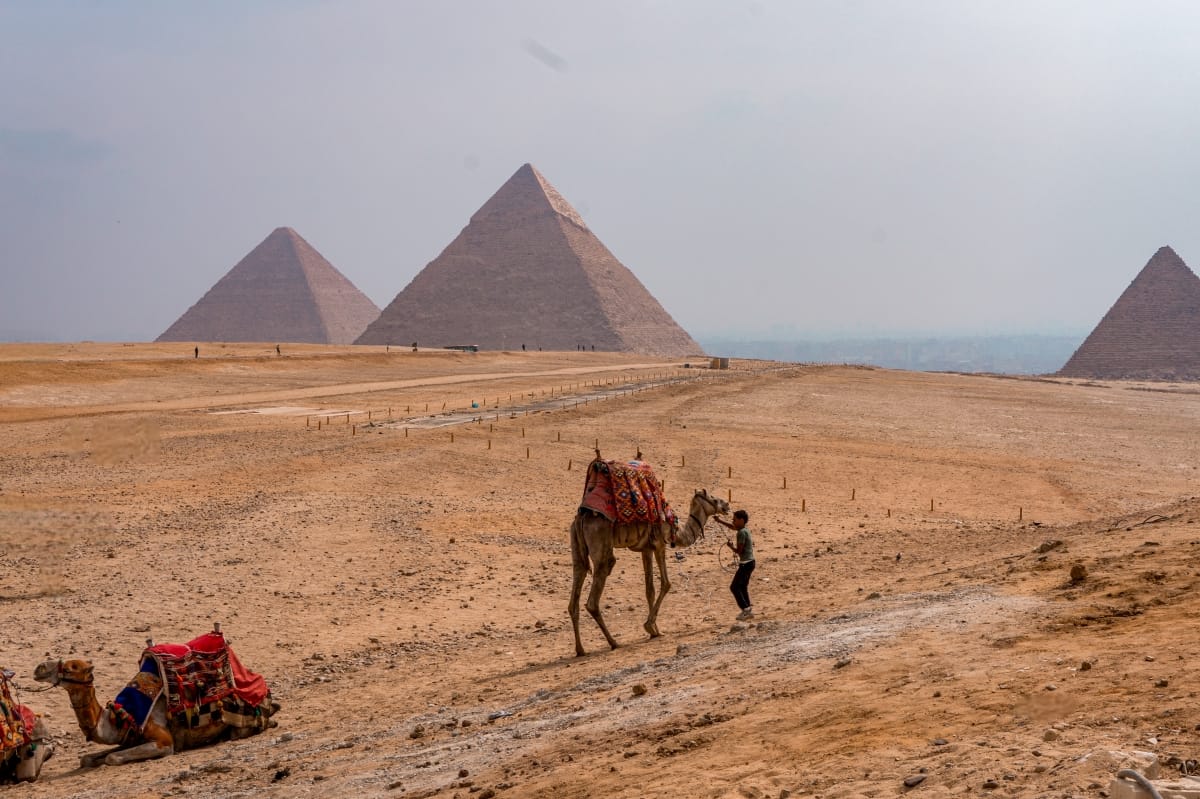
Egypt has emerged as a major destination for travelers seeking sunshine, beaches and cultural experiences throughout much of the year. The Red Sea resorts remain a major attraction, while Cairo, Luxor, Aswan and other historic destinations provide opportunities for travelers interested in ancient history and cultural tourism. Continued investment in hotels, airports and tourism infrastructure is also strengthening the country’s ability to accommodate growing international demand.
Türkiye offers a similarly diverse proposition. Its Mediterranean coastline provides a strong alternative to European beach destinations, while Istanbul adds a major cultural and urban tourism component. The country’s extensive hotel network, all-inclusive resorts and competitive pricing have helped make it one of the Mediterranean’s most important tourism markets.
The opportunity for Egypt and Türkiye goes beyond simply receiving tourists who might otherwise travel to Spain or Italy. Both countries have the potential to establish themselves as preferred destinations in their own right. To achieve this, continued investment in infrastructure, hospitality, transportation and sustainable tourism will be essential.
The changing tourism landscape also presents an important opportunity for airlines, hotel groups and international tour operators. As traditional destinations become more expensive or difficult to accommodate during peak seasons, tourism companies can redirect capacity toward markets that still have room for growth.
For Spain and Italy, the emerging challenge is therefore not a lack of demand but how to manage success sustainably. For Egypt and Türkiye, the moment represents a significant opportunity to capture travelers who are increasingly searching for value, availability and distinctive experiences.
The latest shift highlights a fundamental change in global tourism: the most successful destinations may no longer be those that simply attract the largest number of visitors, but those capable of accommodating growth without compromising the visitor experience or the quality of life of local communities. As Spain and Italy confront growing capacity pressures, Egypt and Türkiye have a significant opportunity to become the next major beneficiaries of changing travel patterns across the Mediterranean.