
Sky-High Travel Costs Threaten Africa’s Tourism Potential
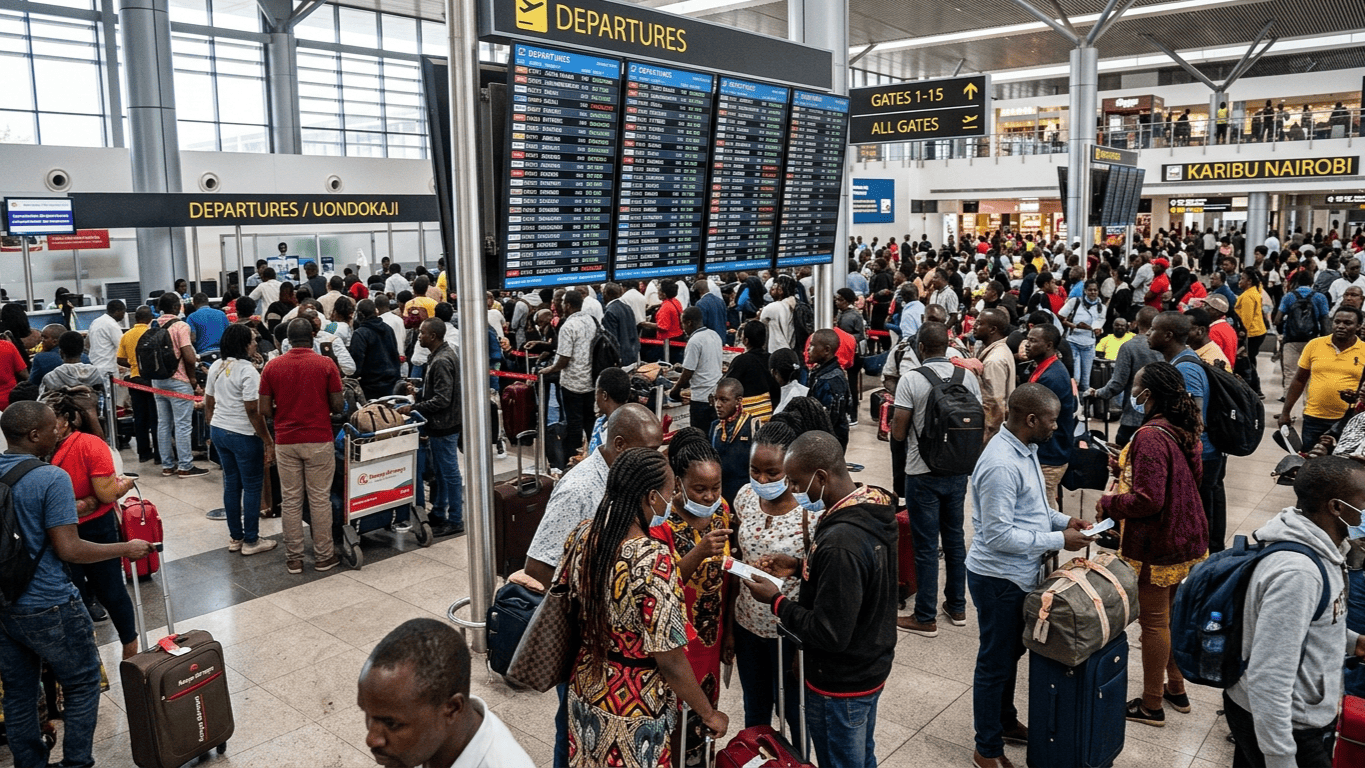
Traveling across Africa should be one of the world's great adventure experiences, yet for millions of international tourists and local travelers alike, exploring the continent remains prohibitively expensive.
Despite a burgeoning leisure travel market and continental initiatives aimed at fostering economic integration, high airfares, heavy aviation taxes, and fragmented route networks are stifling tourism potential across sub-Saharan Africa. Industry bodies, including the UN Tourism organization and the African Airlines Association (AFRAA), warn that without structural policy changes, the continent risks pricing itself out of both international leisure markets and domestic travel growth.
The Cost Paradox: Why Intra-African Flights Cost So Much
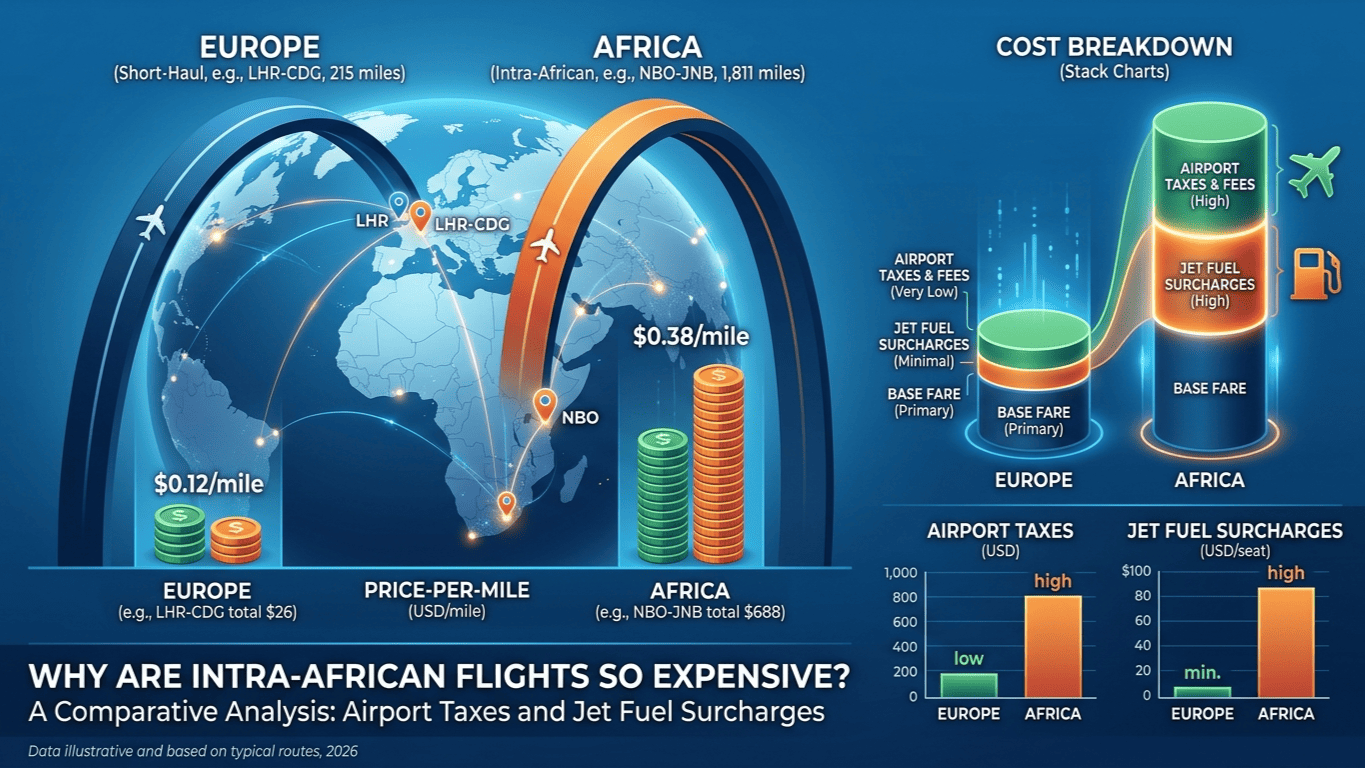
On average, regional flights within Africa cost up to 17% more per mile than global averages, making short three-hour flights between neighboring capital cities pricier than transatlantic long-haul journeys. A traveler flying from West Africa to East Africa often pays significantly more than someone flying from London to Nairobi.
Several deep-seated structural issues drive these elevated prices:
- Heavy Aviation Taxes & Fees: Government levies, passenger facility charges, and landing fees at many African airports are among the highest in the world, frequently accounting for up to 40% to 50% of the final ticket price.
- Jet Fuel Premium: Due to supply chain bottlenecks, import tariffs, and inland transport costs, jet fuel in non-coastal African markets often costs significantly more than the international benchmark.
- Bilateral Air Protections: Many nations continue to restrict foreign carriers to protect state-owned airlines, stalling the implementation of the Single African Air Transport Market (SAATM) and limiting low-cost carrier expansion.
- Circuitous Routing: A lack of direct point-to-point connections forces passengers to transit through distant hub airports—sometimes even via Europe—adding hours of flight time and doubling airfare expenses.
Impact on Local Economies and Small Businesses
The economic strain extends far beyond the airlines. Independent tour operators, boutique hotels, regional event organizers, and cultural heritage sites bear the brunt of reduced visitor numbers. When flight costs absorb the bulk of a travel budget, visitors shorten their stays, cut back on local excursions, or choose competing budget destinations in Southeast Asia or Southern Europe.
Intra-African travel—a vital source of revenue that cushions destinations against global economic downturns—suffers the most. While growing middle-class populations in nations like Nigeria, Kenya, Ghana, and South Africa demonstrate a strong appetite for regional travel, exorbitant ticket prices routinely keep these leisure dollars at home.

Easing Restrictions and Lowering Taxes Point the Way Forward
Addressing the crisis requires coordinated government intervention across aviation tax policies and border logistics. Regional economic blocs, such as the Economic Community of West African States (ECOWAS), have begun adopting measures to reduce airport passenger taxes and harmonize air transport fees.
Simultaneously, countries leading the charge on visa-free access for African citizens—such as Rwanda, Ghana, Benin, and Kenya—are demonstrating how simplified border entry drives passenger volume. Combining visa relaxation with competitive airfares creates a multiplier effect that expands the overall tourism pie for everyone.
Until broader tax reforms and open-skies agreements take hold, the high cost of moving people across African borders will remain a formidable barrier to full economic recovery.