
Single Line Failure Grounds 7,000 Flights on Day World Leaders Arrive in New York
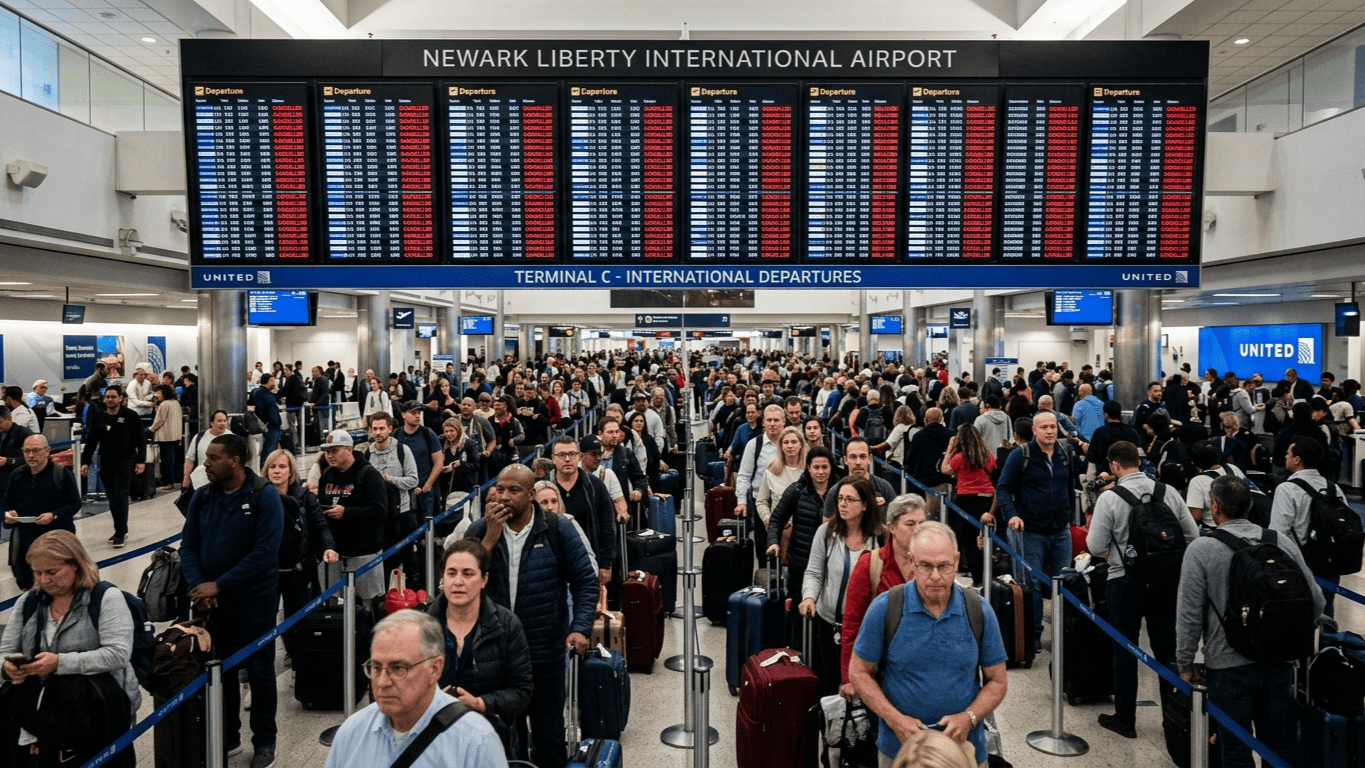
A cascading telecommunications outage crippled air traffic control operations across the U.S. East Coast, leaving roughly 7,000 flights delayed or canceled and stranding tens of thousands of travelers. The widespread disruption was caused by a rare simultaneous failure of a primary communications circuit and its backup fiber-optic cable, highlighting the vulnerabilities of America’s aging aviation infrastructure.
The grounding order—issued by the Federal Aviation Administration (FAA)—halted incoming traffic at key global transit hubs including New York’s John F. Kennedy International, LaGuardia, Newark Liberty, Philadelphia International, and Boston Logan.
The technical breakdown unfolded on one of the highest-stakes travel days of the year, as more than 130 world leaders and foreign ministers arrived in the region for the annual United Nations General Assembly in New York.
How a Single Point of Failure Knocked Out Aviation Radar
The disruptions began around 9:45 a.m. Eastern Time when a primary data circuit failed at the Philadelphia Terminal Radar Approach Control (TRACON)—the regional FAA facility responsible for managing low-altitude airspace for major mid-Atlantic airports.
Under standard safety protocols, air traffic control systems are engineered to switch seamlessly to a secondary backup connection in the event of a circuit drop. However, when technical teams attempted the switch, they discovered that a backup fiber-optic cable running adjacent to a rail line in New Jersey had been accidentally severed earlier by a local construction crew.
"When it went to flip into the backup, we discovered that the backup fiber had a break, and that fiber break is probably 13 hours to repair," said FAA Administrator Bryan Bedford during a press briefing.
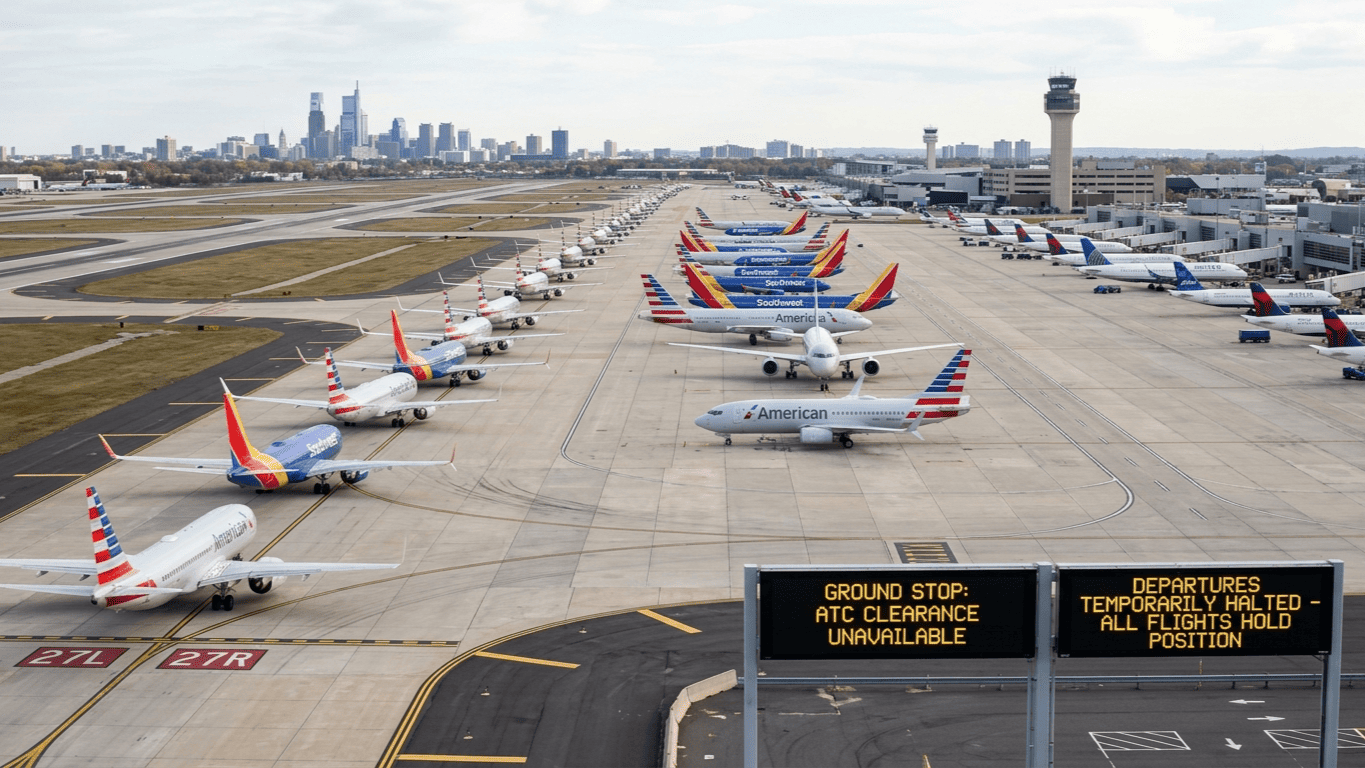
Without real-time data feeds and primary voice communications reaching controllers, the FAA immediately enacted ground stops to prevent incoming aircraft from entering congested airspace.
Gridlock on the Ground and Waves of Cancellations
The eight-hour outage created severe backlogs that quickly reverberated through international flight networks. Flight-tracking service FlightAware reported thousands of domestic and international flights affected, with over 1,400 disruptions concentrated in the New York metropolitan area alone.
Newark Liberty International Airport, a major hub for United Airlines, saw more than half of its scheduled flights canceled. United and other major carriers issued flexible travel waivers, allowing passengers to reschedule without change fees.
The sequence of events unfolded rapidly across the region's air traffic system:
- Primary Circuit Drop: The primary communications circuit failed at the Philadelphia TRACON facility guiding East Coast arrivals.
- Backup Failure Discovered: Automatic failover triggered, but the backup fiber line in New Jersey was found severed by a rail construction crew.
- Regional Ground Stop: The FAA halted incoming flights to major hubs including Newark, JFK, LaGuardia, Philadelphia, and Boston.
More than 100 aircraft already en route to the Northeast were forced to divert to alternative airports, straining gate capacity as far south as Washington, D.C.
Infrastructure Under Scrutiny
U.S. Transportation Secretary Sean Duffy announced late Monday afternoon that technicians had bypassed the damaged lines and brought temporary replacement circuits online to restore full air traffic management. However, officials warned that clearing the backlog of delayed aircraft and misplaced flight crews would take considerable time.
The incident has renewed intense political scrutiny over the nation's air traffic control infrastructure. Last year, Congress authorized $12.5 billion for system modernization, yet critics point out that regional facilities remain vulnerable to physical cable cuts and single-point hardware glitches.
Travelers flying out of or connecting through Northeast hubs are advised to verify flight statuses directly with their airlines via Federal Aviation Administration operational bulletins prior to departing for the airport.
Essential Passenger Survival Checklist
- Check Status Remotely: Monitor live airline mobile apps before leaving for the airport.
- Review Waiver Policies: Secure free rebookings or refunds if your flight falls within carrier waiver windows.
- Plan for Connections: Expect longer delays on connecting legs as aircraft reposition throughout the week.