Shaken Destinations: Earthquake Risks Changing How We Travel
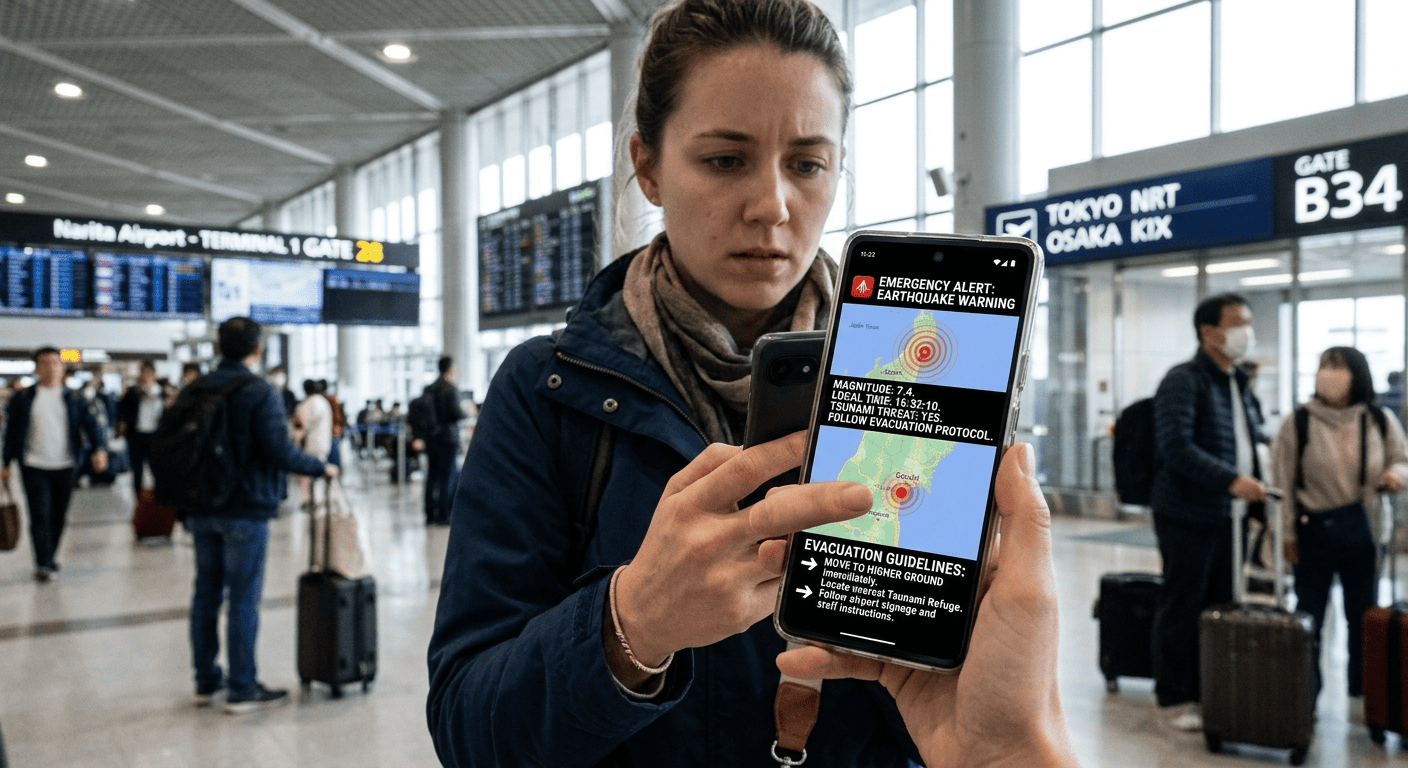
A series of powerful seismic events across the Pacific Ring of Fire and Latin America has sent tremors through the global tourism industry. Following high-magnitude quakes hitting Japan, the Philippines, Mexico, and Venezuela, international travelers are increasingly factoring earthquake risks into their holiday planning.
While regional travel numbers show underlying resilience, the concentration of major temblors has left prospective tourists asking tough questions about destination safety, hotel building codes, and emergency infrastructure.

A Wave of Tremors Sparks Caution
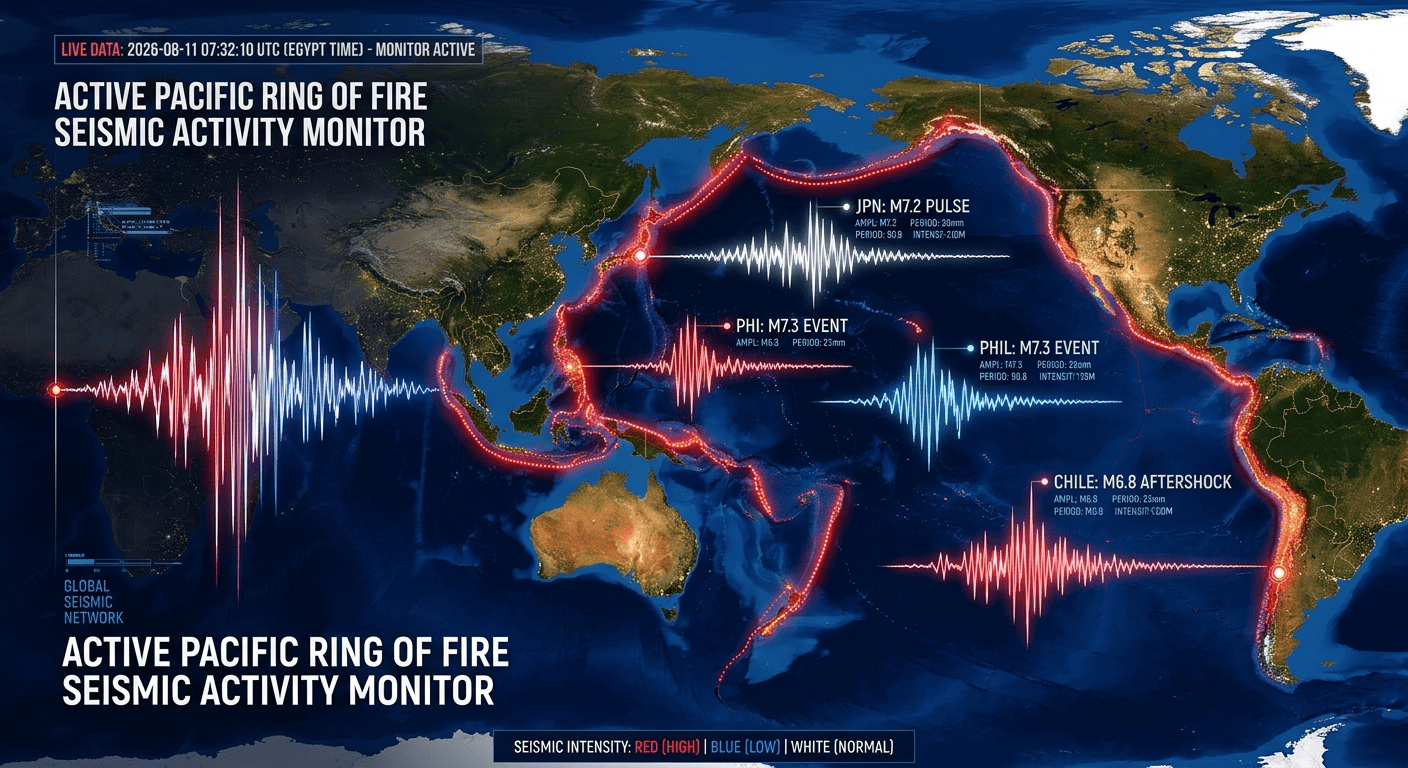
The seismic activity recorded throughout 2026 serves as a stark reminder of the planet's volatility. A M7.4 earthquake off the coast of Tohoku, Japan, followed by M7.8 and M7.3 events in the Philippines and Mexico, made major global headlines.
Although countries like Japan quickly demonstrated the strength of their modern seismic engineering and early-warning systems, the emotional impact on travelers cannot be overstated. Risk management firms report a sharp rise in inquiries regarding natural disaster coverages.
Travelers are increasingly consulting tools from the U.S. Geological Survey (USGS) and local authorities before locking in non-refundable itineraries.
Changing Priorities for Global Tourists
The uncertainty is subtly altering how people plan their trips:
- Flexible Booking Policies: Tourists are choosing flexible accommodation and flight packages over non-refundable deals to allow for last-minute cancellations.
- Shift to Comprehensive Insurance: Demand for travel insurance policies with "Cancel For Any Reason" (CFAR) clauses and robust emergency evacuation coverage has hit record highs.
- Safety App Adoption: Travelers arriving in seismic zones are actively downloading safety tools—such as Japan’s official Safety Tips app —to receive instant alerts and localized evacuation routes.
Industry experts note that while seismic events rarely shut down national tourism permanently, they do trigger short-term dips as travelers pivot to destinations perceived as lower risk. As 2026 progresses, the ability of local tourism boards to communicate safety protocols effectively will be key to keeping confidence steady.