
Seoul Becomes Top Asian Hotspot as Chinese Outbound Tourism Skyrockets
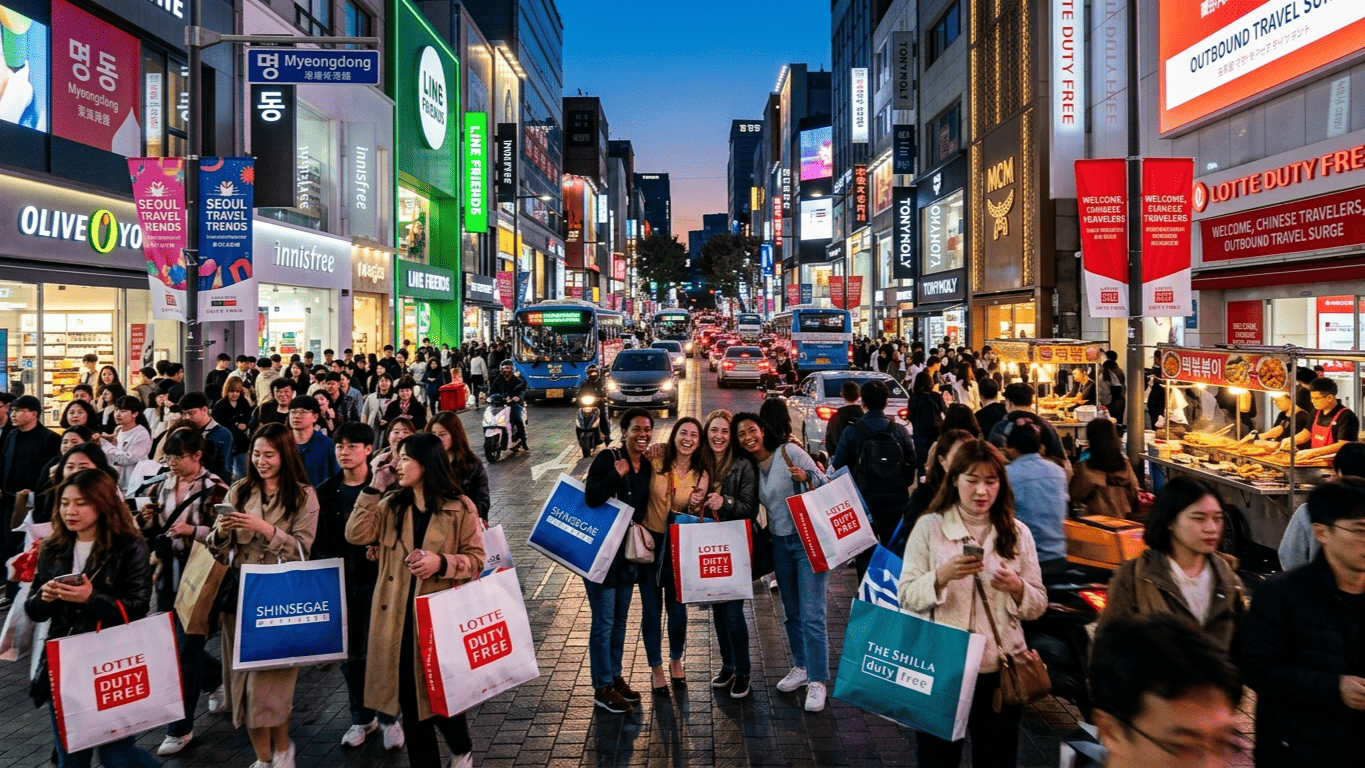
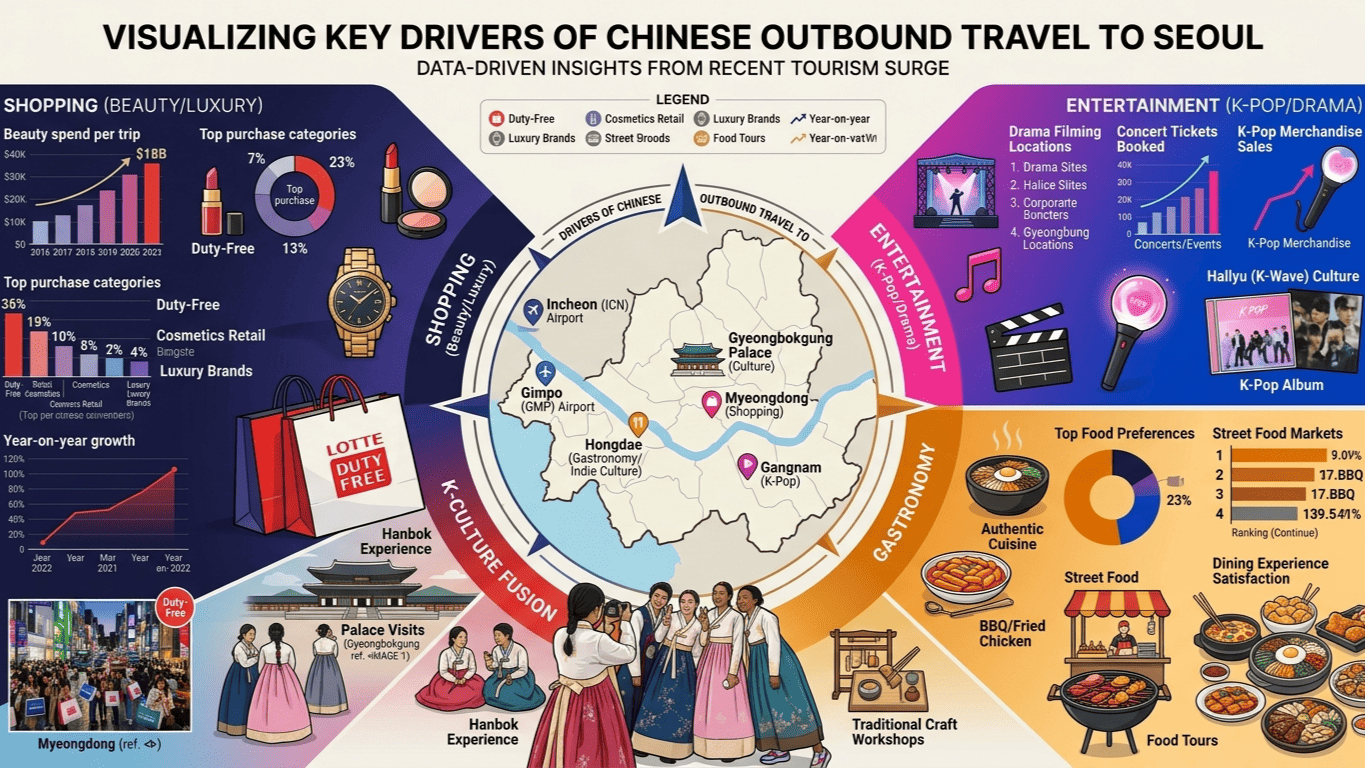
The tourism landscape across Asia is shifting rapidly as Chinese outbound travel stages a definitive post-pandemic comeback, with South Korea's capital emerging as the primary beneficiary. New data highlights a remarkable 128% year-on-year increase in Chinese visitors to Seoul during the recent Golden Week holiday—a surge widely seen as a major catalyst for the region’s economic recovery.
Why Seoul is Ground Zero for the Recovery
While the global industry has tracked a general resumption in Chinese outbound travel, the velocity of the rebound targeting Seoul has surprised many analysts. This isn't merely about proximity; it’s a confluence of pent-up demand, targeted regional marketing, and cultural alignment.
The renewed influx is breathing new life into key commercial districts that were previously dormant, transforming Seoul into a vibrant case study for international tourism's rapid rebound.
Myeongdong: The Retail Heartbeat Returns
The most immediate and visible indicator of this surge is in Myeongdong, Seoul’s premier shopping precinct. During the height of travel restrictions, these streets were quiet. Today, they are unrecognizable. Foot traffic has fully recovered, and large duty-free stores and cosmetics boutiques are bustling late into the night.
Retailers are reporting record sales in beauty products, luxury goods, andK-pop merchandise. To cater to this demanding demographic, businesses are rapidly expanding their staff, reintroducing Mandarin-speaking sales assistants, and integrating popular Chinese mobile payment systems at every checkout.
K-Culture and Experiential Tourism Take Center Stage
Crucially, the profile of the new Chinese traveler has evolved. While shopping remains a dominant activity, there is a distinct shift toward experiential tourism driven by younger generations. Many are traveling specifically to "place-make"—visiting locations featured in famous K-Dramas or K-Pop videos.
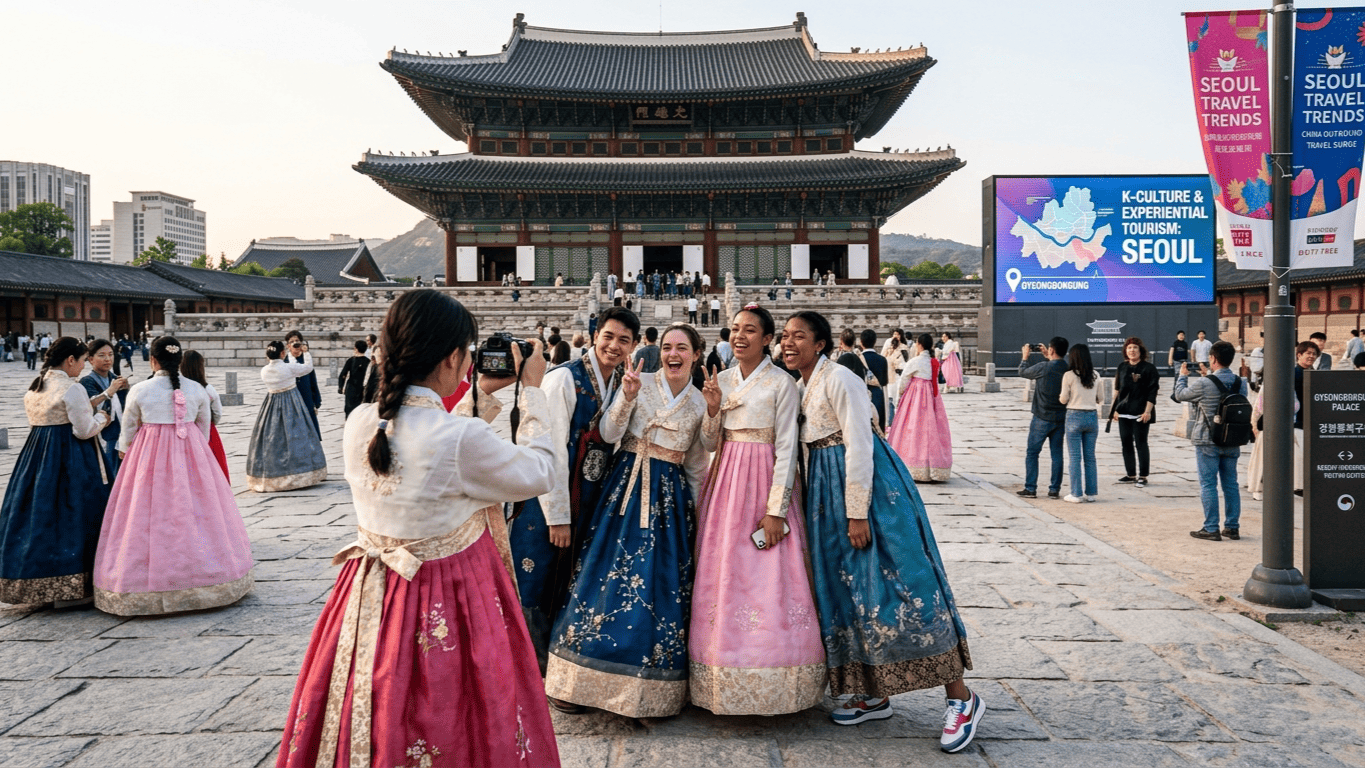
The demand for authentic cultural experiences has exploded. Cheerful groups wearing colorful traditional hanbok dresses are now a permanent fixture at historical sites like Gyeongbokgung Palace, creating dynamic visuals that are simultaneously ancient and hyper-modern. This fusion of ancient history and cutting-edge pop culture has defined Seoul's unique destination appeal.
Challenges of Infrastructure and Capacity
The speed of the tourism revival, however, brings its own set of challenges. Seoul’s infrastructure is currently under strain, with popular downtown areas frequently gridlocked. Hoteliers are struggling with staff shortages, and prices for premium accommodations are climbing as vacancy rates drop toward historic lows.
The city government has responded by announcing plans for a dedicated digital platform to streamline booking for popular experiences and is working to expand high-capacity public transport options, but observers note that bridging the hospitality labor gap is the most critical hurdle to sustainable long-term growth.
Strategic Shifts in Air Travel and Visas
Understanding the potential economic windfall, South Korean authorities have moved aggressively to facilitate travel. The Ministry of Justice recently simplified online visa processes for specific traveler groups and has focused on expanding flights connecting regional Chinese cities to Seoul’s Incheon and Gimpo airports.
This strategic pivot is designed to maximize footfall not just during peak seasons but throughout the year. As other regional hubs compete fiercely for the lucrative Chinese travel market, South Korea's proactive approach appears to be paying off, solidifying Seoul's position as a dominant hotspot.