
Scroll to Book: How TikTok Is Reshaping Global Travel Planning and Destination Trends
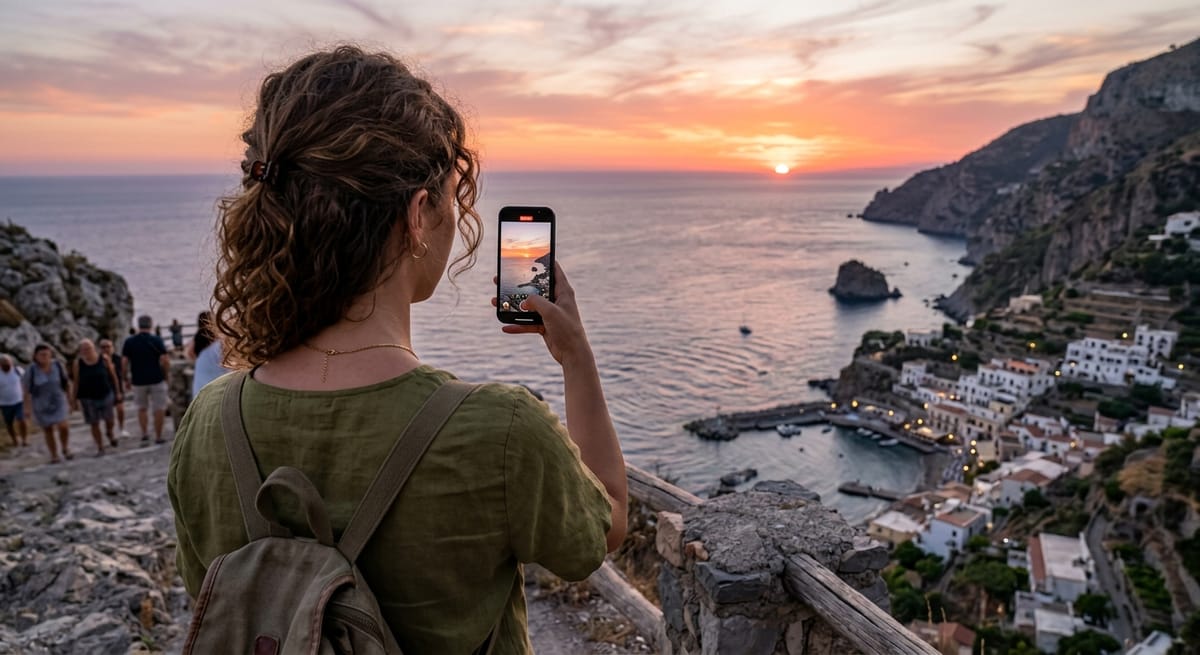
The global travel industry is experiencing a fundamental shift in how destinations are discovered and booked, as short-form video platform TikTok rapidly replaces traditional search engines and travel agencies for younger demographics. Recent consumer research published by Skyscanner reveals that nearly 60 percent of Gen Z travelers now turn to TikTok as their primary source of holiday inspiration, outranking classic travel blogs, television shows, and word-of-mouth recommendations.
As millions of users turn to vertical video for authentic destination reviews, micro-budget travel hacks, and visual itineraries, tourism boards and hospitality brands are overhauling their marketing strategies to capture "scrolling travelers."
From Passive Scrolling to Direct Bookings
TikTok's influence extends far beyond idle entertainment; it is driving measurable conversion rates across the travel sector. According to industry data compiled by TUI Group, over 40 percent of social-media-active tourists report booking a specific holiday, tour, or activity directly after seeing a viral short-form video.
Key factors driving this behavioral shift include:
- Algorithmic Discovery: Unlike traditional keyword-driven search engines, TikTok’s recommendation algorithm surface niche, off-the-beaten-path locations directly to targeted interest groups, bypassing standard tourist traps.
- Authentic Short-Form Reviews: Travelers increasingly prioritize raw, unedited footage filmed by everyday tourists over polished promotional campaigns produced by destination marketing organizations.
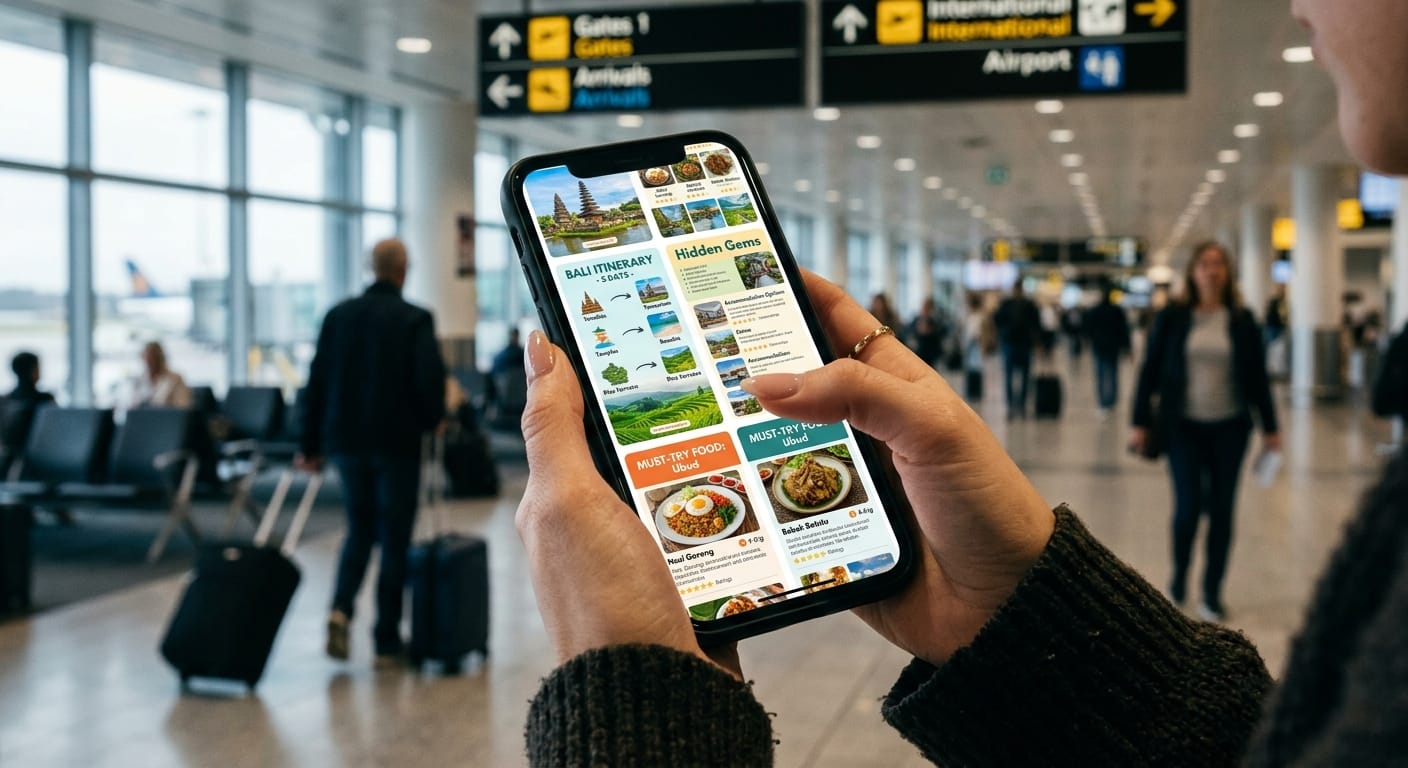
- Search-Engine Functionality: A growing majority of Gen Z and Millennial users rely on TikTok's built-in search bar to find local food recommendations, hotel room walkthroughs, and safety tips in real time.
The Rise of "Set-Jetting" and Hyper-Local Virality
The power of viral short-form content has turned lesser-known regional spots into overnight global attractions. Small coastal towns, hidden mountain hikes, and family-run restaurants can experience sudden spikes in international visitor footfall after a single 15-second video gains traction.
However, industry experts warn that hyper-virality presents unique infrastructure challenges. Local municipalities in popular European and Southeast Asian hubs are scrambling to manage sudden crowds, localized inflation, and environmental pressure stemming from viral "must-photo" spots.
Strategic Future Outlook
To capitalize on the shift without overwhelming local infrastructure, forward-thinking tourism boards are partnering directly with content creators to promote sustainable travel behaviors, off-season visits, and regional diversification. As social commerce features continue to expand within video apps, the line between social media engagement and direct booking will only grow thinner.