Saudi Arabia's Red Sea Tourism Transformation Gains Momentum as New Luxury Resorts and Direct Flights Open
Saudi Arabia’s flagship regenerative tourism development along the western coast is accelerating its transformation into a major destination for international luxury travel. Spearheaded by multi-project developer Red Sea Global (RSG), the mega-project is expanding its portfolio across 28,000 square kilometers, bringing online ultra-luxury island resorts, desert retreats, and expanded flight routes via Red Sea International Airport (RSI).
Part of the Kingdom’s overarching Saudi Vision 2030 economic diversification blueprint, the Red Sea destination aims to welcome up to one million visitors annually once fully operational, operating under strict environmental caps to preserve fragile marine and desert ecosystems.
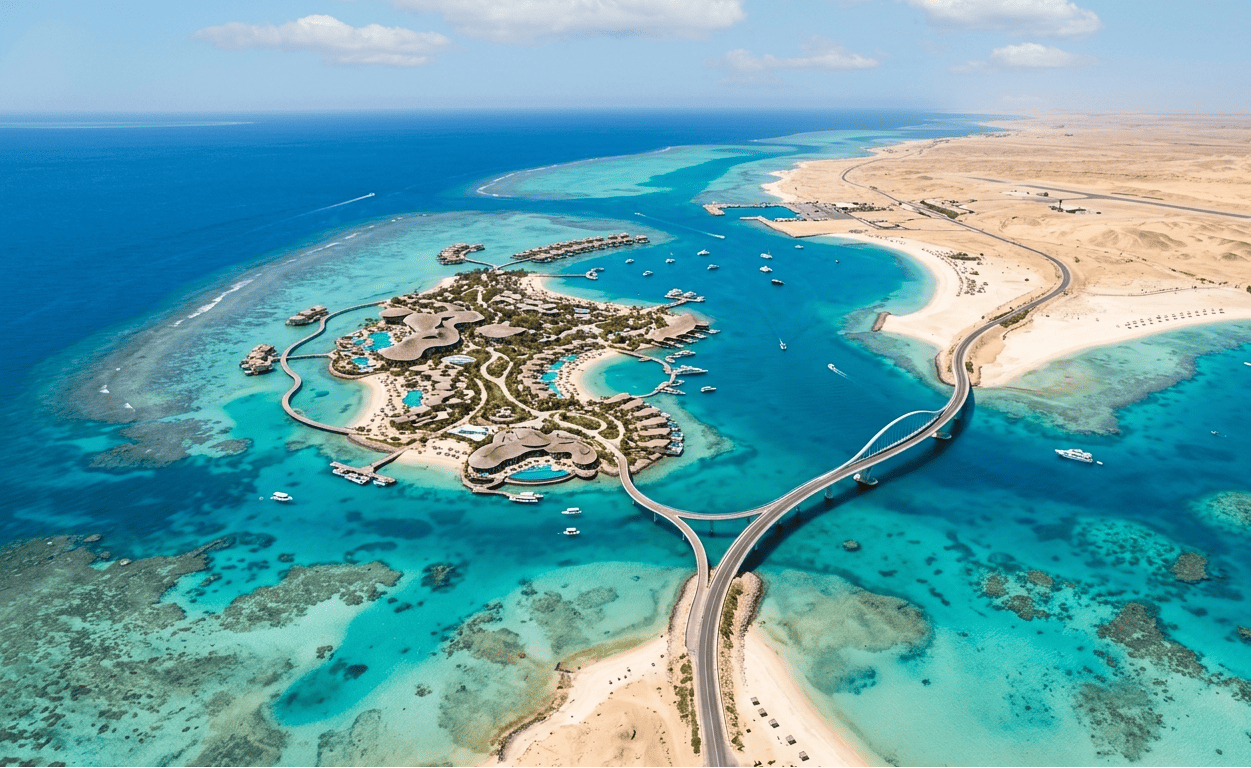
Expanding Resort Portfolio and Architectural Landmarks
The Red Sea coastline and archipelago—spanning more than 90 pristine islands between Umluj and Al Wajh—is transitioning from construction phases to operational hospitality.
A growing network of world-renowned luxury brands and RSG-operated retreats are now welcoming guests:
- Shura Island (Central Hub): As the centerpiece of the development, Shura Island features striking architectural concepts inspired by natural coral forms ("Coral Bloom"), hosting premier brands such as InterContinental The Red Sea, SLS The Red Sea, The Red Sea EDITION, and Four Seasons Resort and Residences Red Sea.
- Exclusive Island Outposts: The Ummahat Islands host the eco-luxury St. Regis Red Sea Resort and Nujuma, a Ritz-Carlton Reserve—one of only a handful of Ritz-Carlton Reserve properties worldwide.
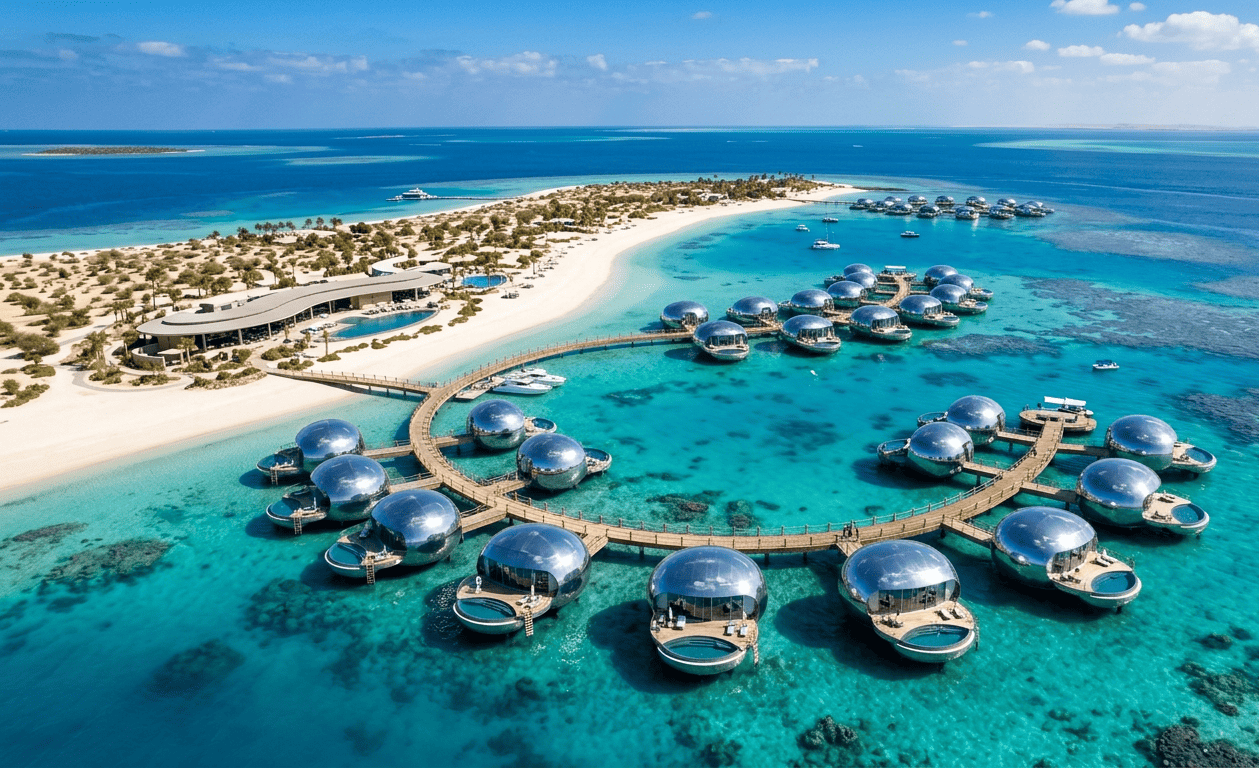
- Futuristic & Inland Retreats: Shebara Resort, featuring futuristic mirror-finish stainless steel overwater spheres, and Desert Rock Resort, carved directly into the dramatic granite mountain cliffs, showcase cutting-edge architectural integration.
By completion in 2030, the destination will encompass 50 hotels offering 8,000 rooms and more than 1,000 residential units.
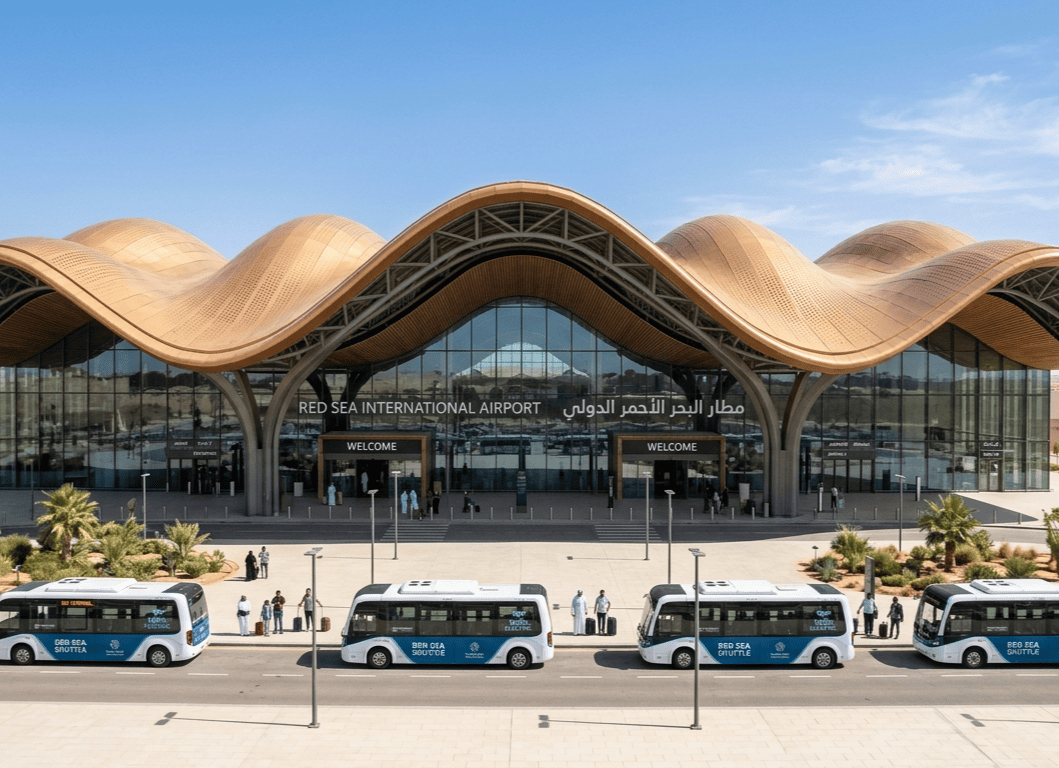
Direct Connectivity via Red Sea International Airport (RSI)
Air accessibility has been central to accelerating international arrival numbers. Red Sea International Airport (RSI)—the first LEED Platinum-certified airport in the country—continues to expand its network:
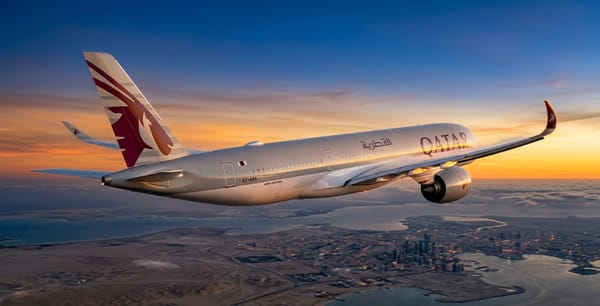
- Regional and International Routes: Flight connections link RSI with regional hubs like Riyadh, Jeddah, Dubai, and Doha, alongside direct international services connecting European destinations including Milan.
- Eco-Conscious Transfers: Guest transfers from the airport to offshore island resorts are operated using electric ground fleets, hydrogen-fuel vehicles, and luxury seaplanes, maintaining zero-carbon transport corridors.
According to global tourism indicators from the World Travel & Tourism Council (WTTC), Saudi Arabia's sustained infrastructure investments are driving one of the fastest travel sector growth rates in the Middle East.
Economic Diversification and Environmental Regeneration
Unlike traditional tourism projects, the Red Sea transformation is built around a "net conservation gain" target of 30% by 2040. Development is capped at under 1% of the total land and marine area, with 75% of the archipelago’s islands left entirely untouched.
Projected Economic Impact by 2030:
- GDP Contribution: Estimated SAR 22 billion ($5.3 billion) added annually to Saudi Arabia’s non-oil economy.
- Job Creation: Approximately 70,000 direct, indirect, and induced jobs created across hospitality, marine biology, aviation, and technology sectors.
- Environmental Benchmarks: Zero waste to landfill, zero single-use plastics in guest operations, and 100% reliance on solar and energy storage systems.