
Saudi Arabia Extends Riyadh Airport Closure as Safety Audits Follow Deadly Missile Attacks
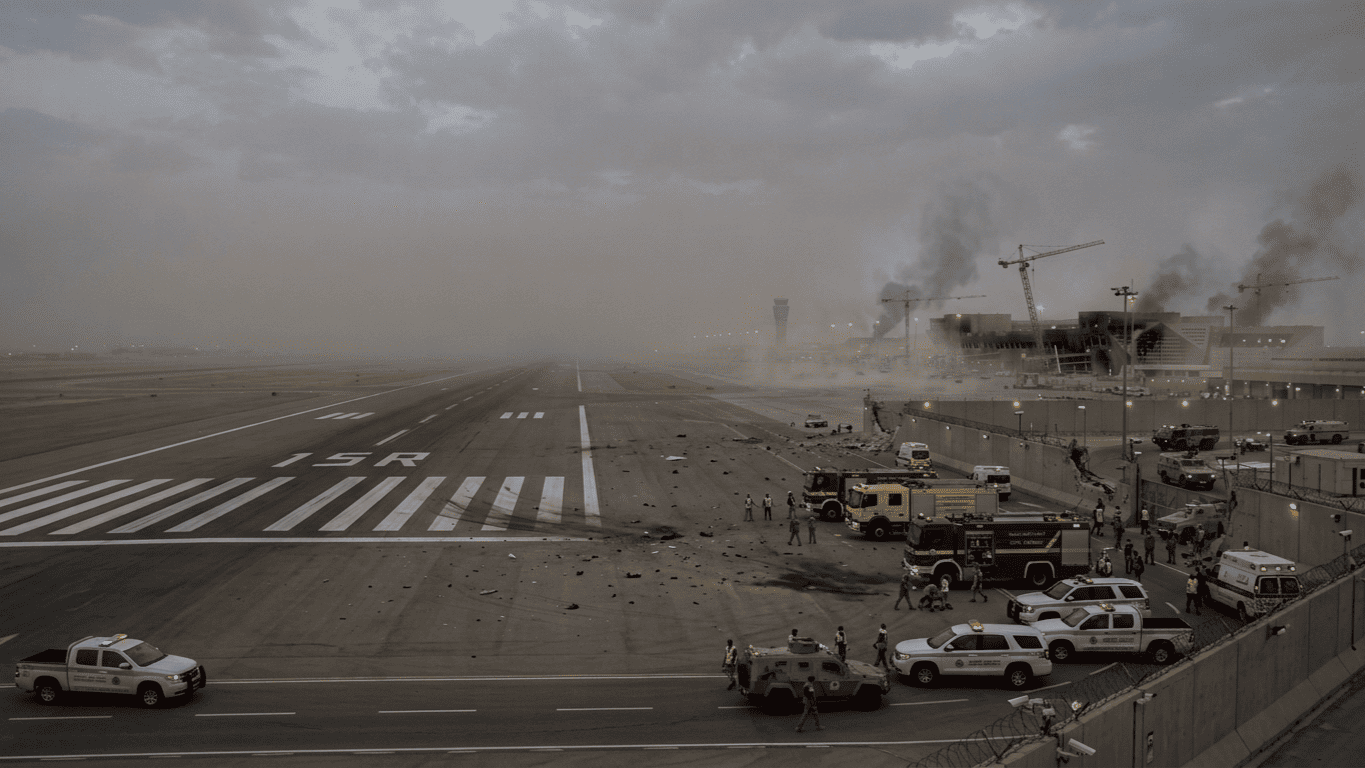
Saudi aviation authorities on Monday extended the complete operational shutdown at King Khalid International Airport, prolonging flight groundings as engineering and security teams inspect terminal facilities following a wave of deadly missile and projectile strikes over the weekend.
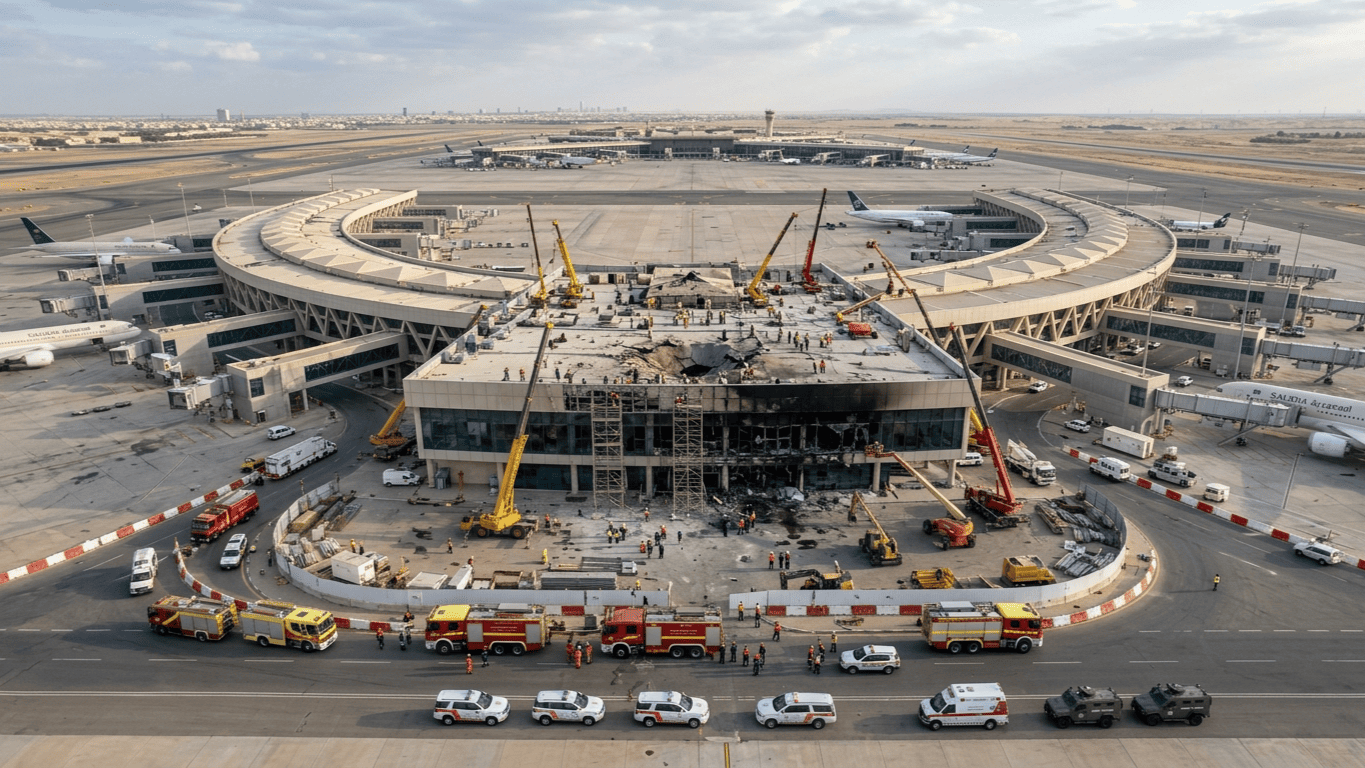
The decision by the General Authority of Civil Aviation (GACA) keeps the primary gateway to the Saudi capital closed to commercial traffic indefinitely. Authorities stated that technical teams are conducting thorough safety evaluations and verifying the structural readiness of passenger terminals before permitting any resumption of flight operations.
The extension comes on the heels of consecutive strikes targeting the civilian airport complex. On Saturday afternoon, a heavy strike hit a busy passenger terminal, leaving 12 people dead and over 300 injured—marking one of the deadliest strikes on civilian infrastructure in the Kingdom in recent years. A subsequent attack on Sunday afternoon struck Terminal 4, killing a Pakistani national and injuring 11 others as air defense units scrambled to intercept additional incoming threats.
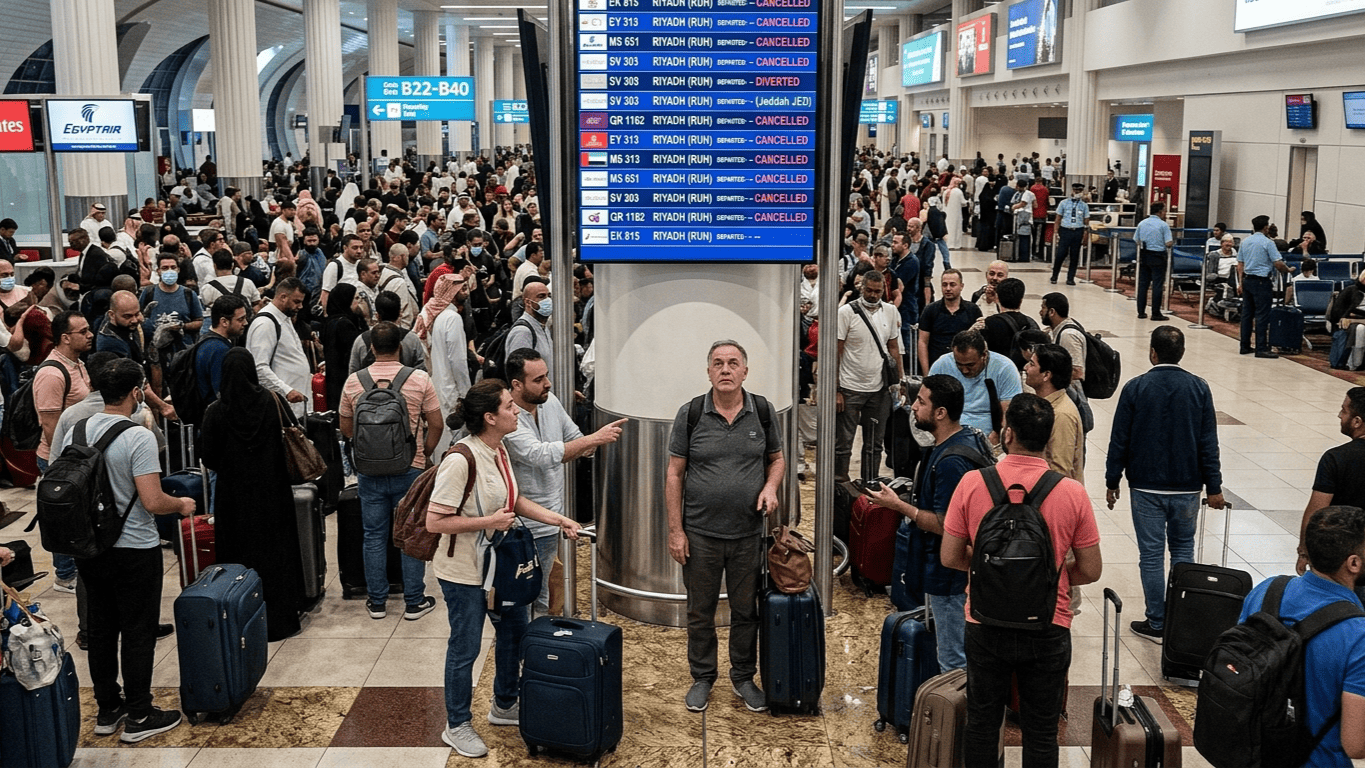
Disruption Across Middle Eastern Flight Corridors
The prolonged closure of an airport serving a metropolitan area of roughly eight million people has sent immediate shockwaves through regional aviation routes. Regional flag carriers, including EgyptAir, Emirates, and Qatar Airways, have suspended all direct passenger services to Riyadh or diverted inbound long-haul flights toward secondary hubs in Jeddah and Dammam.
Flight tracking logs revealed empty air corridors over central Saudi Arabia on Monday morning, with civil aviation dispatchers directing international traffic clear of the capital’s airspace. Air travel analysts note that the prolonged grounding will complicate travel plans ahead of major energy and investment summits scheduled in Riyadh later this month.
Travelers seeking real-time updates on diverted routes, flight status adjustments, and regional air traffic warnings can monitor live updates via the Flightradar24 live flight tracker.
Security Escalation and International Reactions
The Saudi-led coalition investigating the strikes attributed the attacks to Yemen’s Houthi movement, condemning the targeting of non-military civilian infrastructure as a severe violation of international humanitarian law. The escalation follows a sharp breakdown in regional ceasefires and renewed ground offensives across southern Yemen.
Diplomatic missions in Saudi Arabia, including the U.S. and UK embassies, issued updated travel advisories strongly advising their nationals to avoid the immediate vicinity of the airport and to remain vigilant throughout the capital region.
Foreign governments have also voiced grave concern over the safety of foreign nationals working in and transit through the Kingdom. Official travel advisories, safety alerts, and consular updates for citizens in the region are being maintained on the U.S. Department of State Saudi Arabia Travel Advisory page.
Saudi officials emphasized that emergency medical teams and civil defense units remain deployed at the airport, and GACA noted that a official timeline for reopening will only be announced once all facilities are cleared for safe operation.