
Royal Caribbean Acquires 50% Stake in Sandals Resorts in $3 Billion Deal
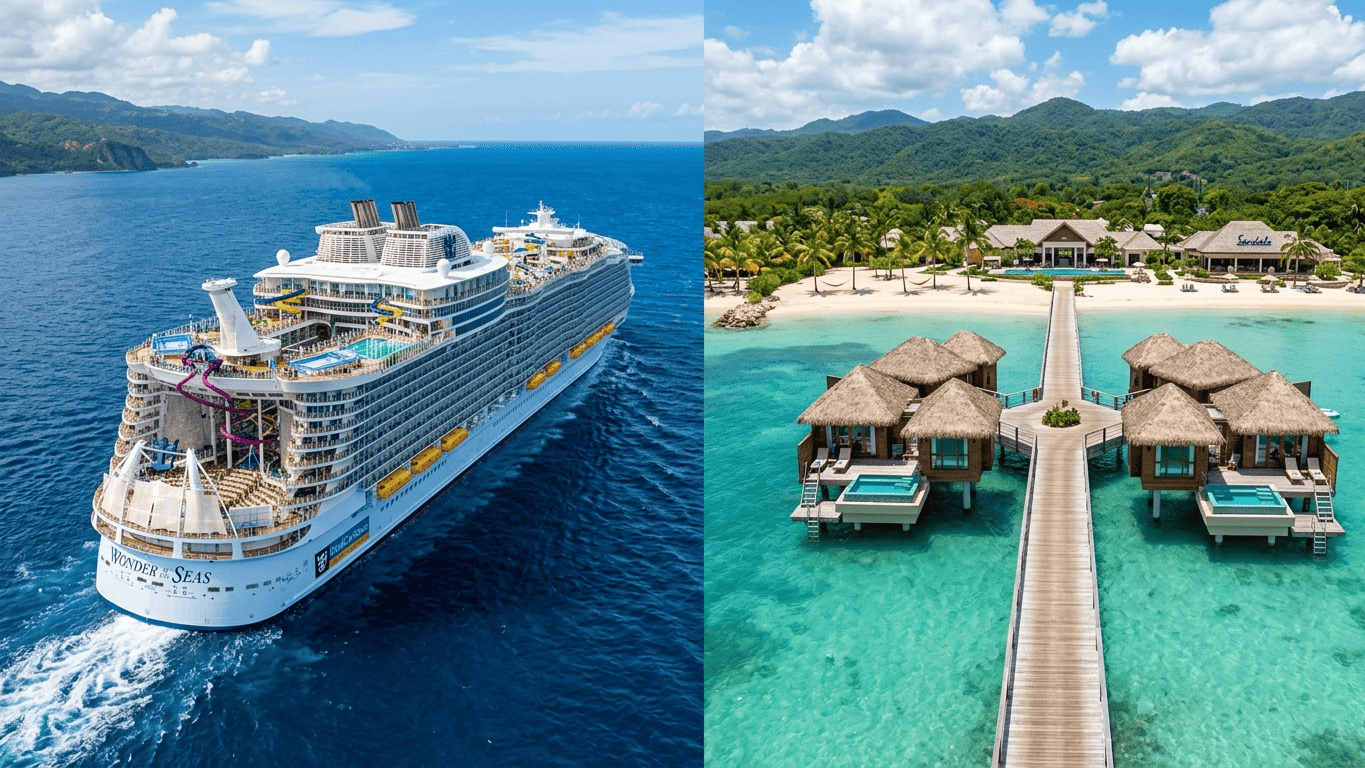
In one of the most ambitious tourism moves in recent memory, Royal Caribbean Group has agreed to acquire a 50% stake in Sandals and Beaches Resorts in a landmark joint venture valued at approximately $3 billion.
The move brings together two massive names in Caribbean travel: a cruise giant operating brands like Royal Caribbean International, Celebrity Cruises, and Silversea, and the land-based leader in luxury Caribbean resorts.
For years, the hospitality industry kept cruise lines and shore resorts in separate lanes. Cruise companies focused on port visits, private islands, and shipboard upgrades, while resort operators focused on land-bound escapes. Royal Caribbean’s multi-billion-dollar investment erases that boundary entirely.
What the $3 Billion Deal Looks Like
Under the terms of the agreement, Royal Caribbean Group will acquire a half-ownership stake in Sandals Resorts International—covering both the adults-only Sandals properties and the family-focused Beaches Resorts.
Here are the core business details of the transaction:
- Transaction Size: Approximately $3 billion for a 50% equity interest, financed via debt committed by Morgan Stanley.
- Valuation Multiple: The transaction represents a forward EBITDA multiple of roughly 10x.
- Governance: Executive Chairman Adam Stewart and Royal Caribbean Group CEO Jason Liberty will co-chair the joint venture’s board.
- Timeline: Expected to formally close in early 2027, pending regulatory approvals.
While $3 billion is a significant financial commitment, it fits directly into Royal Caribbean’s broader strategy: capturing a bigger slice of the global vacation market by keeping guests within their brand ecosystem long after they step off the ship.
Why Cruise Lines Are Heading to Shore
The decision to buy into land-based resorts reflects a noticeable shift in traveler preferences. Modern vacationers rarely stick to one travel style forever. A couple might book an adults-only cruise for an anniversary one year, opt for an all-inclusive beachfront villa the next, and take the family on a resort vacation after that.
By owning both sides of the coin, Royal Caribbean positions itself to retain customer spend regardless of where or how those travelers prefer to holiday.
"We've been building a vacation platform that brings joy to millions of people around the world," stated Jason Liberty, CEO of Royal Caribbean Group. Partnering with Sandals allows the cruise operator to cross-sell land holidays to its existing database of millions of ocean cruisers reading up on Royal Caribbean ship reviews.
For Sandals, founded over four decades ago by the late Gordon "Butch" Stewart, the deal brings massive capital to scale up properties across the Caribbean faster than ever before. Adam Stewart noted that the partnership allows the brand to expand globally while preserving its deep Caribbean roots and family-built legacy.
What Changes for Travelers and Travel Advisors?
For regular guests of both brands, the joint venture promises several immediate and long-term changes:
- Seamless Land-and-Sea Packages: Expect to see seamless "Cruise & Stay" itineraries where travelers spend three or four days at sea followed by a week at a Sandals or Beaches resort, booked under a single checkout process.
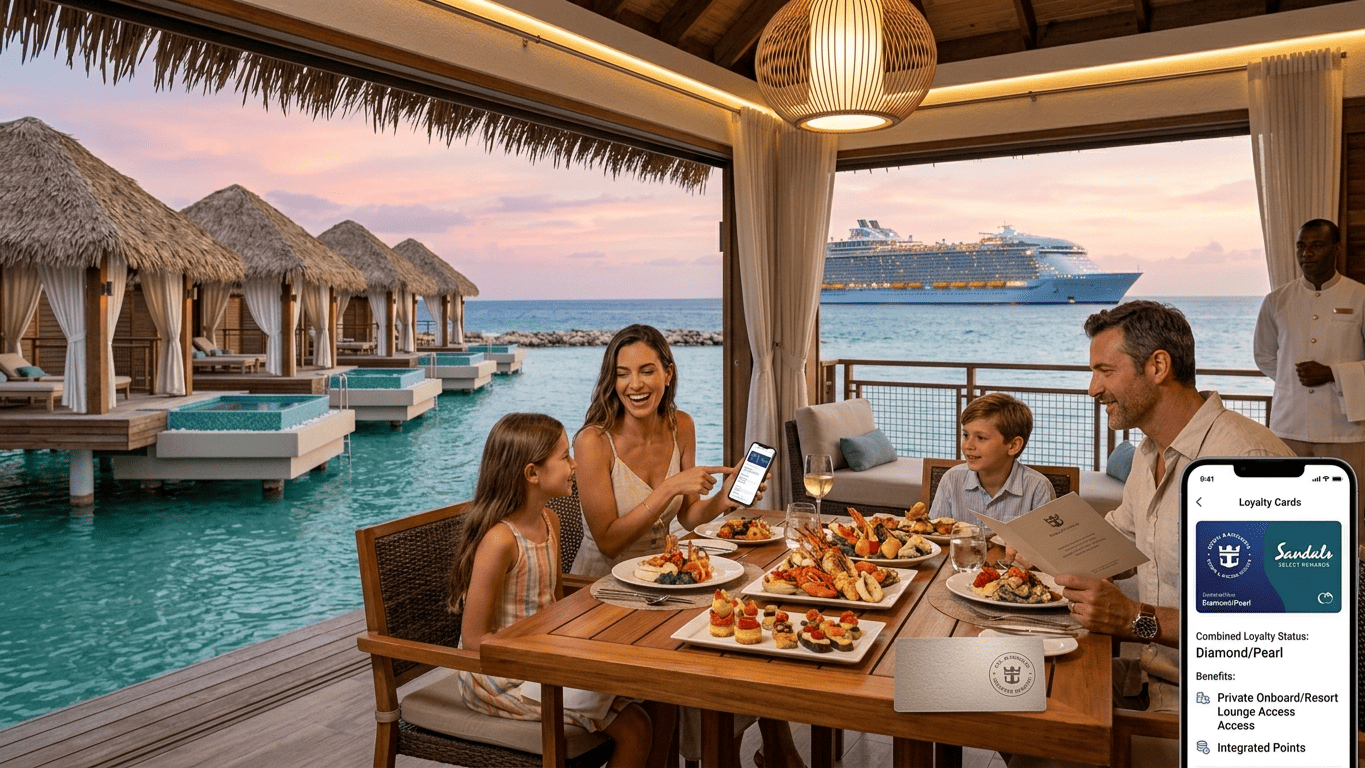
- Loyalty Program Integration: While existing bookings and rewards programs continue as normal for now, future cross-brand loyalty perks are a logical next step—allowing Crown & Anchor Society or Captain’s Club members to earn or redeem points on land.
- Distribution Expansion: Travel advisors will likely gain access to unified booking platforms that simplify selling combined sea and resort vacations to clients.
Existing resort operations, staffing, and day-to-day hospitality standards at Sandals' 20 property locations across Jamaica, St. Lucia, Barbados, and beyond will remain unchanged.
The Bigger Picture for Caribbean Tourism
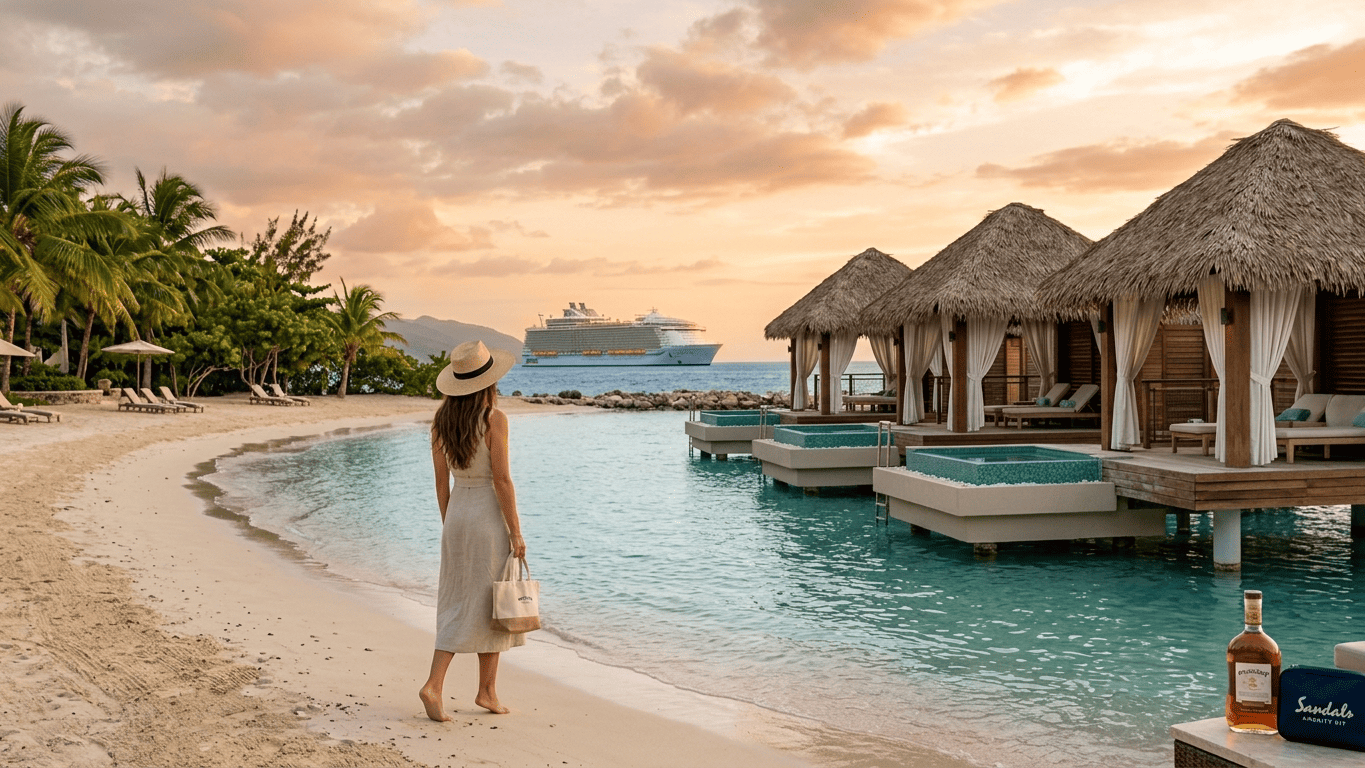
This $3 billion move highlights the strength of Caribbean tourism demand. Combined with Royal Caribbean’s investment in private land destinations—such as Perfect Day at CocoCay and Royal Beach Clubs—this joint venture cements the brand's footprint across both coastal waters and island shores.
As both companies gear up for a 2027 closing date, the rest of the hospitality industry will be watching closely. If successful, this hybrid model could redefine how major travel conglomerates structure their portfolios for years to come.