Rocket Dreams and Beach Loungers: How China’s Launch Sites Became Tourism Hotspots
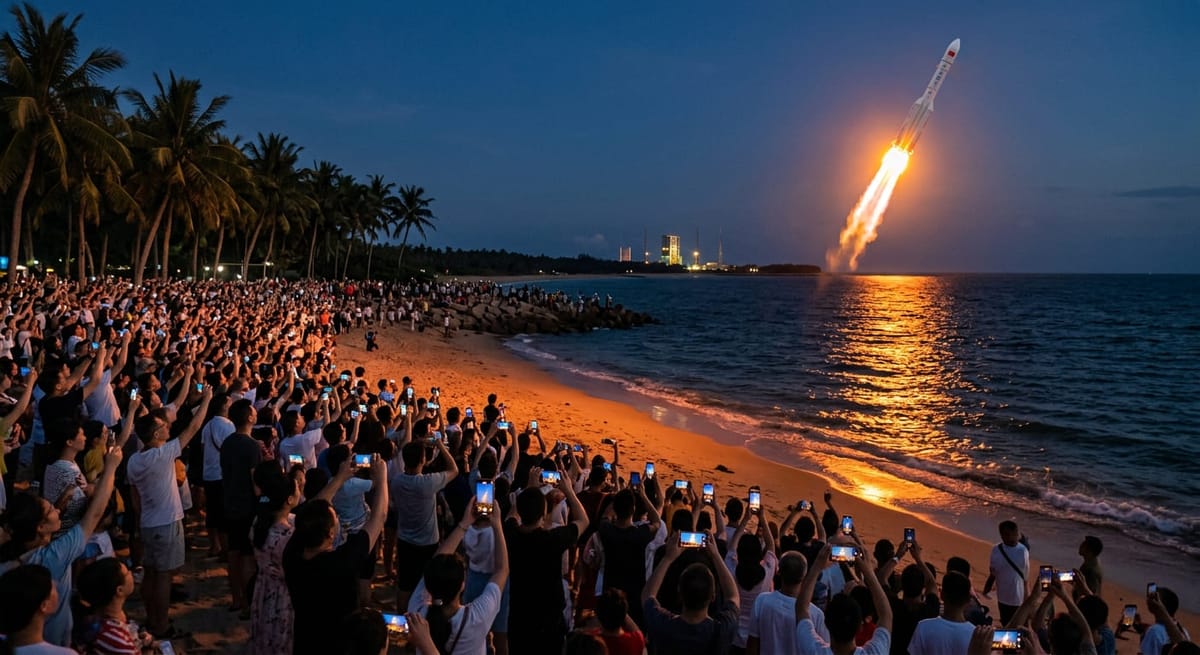
On the sandy beaches of Wenchang, located on the tropical coast of Hainan, thousands of travelers gather with cameras, binoculars, and lawn chairs. They are not just here for the ocean view—they are waiting for the earth to shake.
When the engines ignite, a blinding flame cuts through the sky, followed seconds later by a low rumble that vibrates through the sand. Long March rockets blast off into orbit right beside the sea. Across China, space launches are no longer strictly high-security military operations viewed through television screens. They have transformed into one of the country's fastest-growing travel experiences.
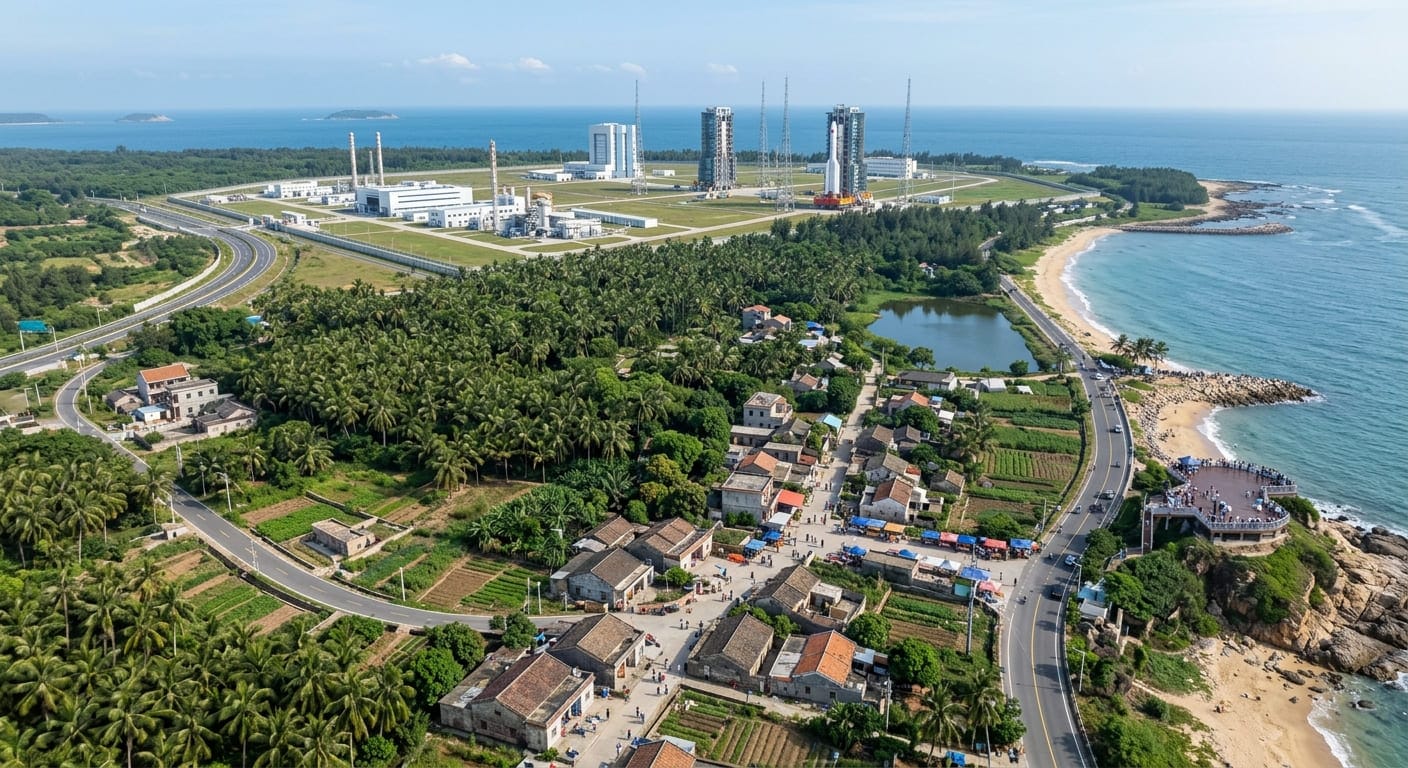
This movement operates as a dynamic ecosystem. Beachfront watching zones equipped with rooftop viewing decks, street food stalls, and local vendors accommodate thousands of spectators. Right down the coast, commercial spaceports conduct routine satellite launches to build out massive communication networks. Connecting these elements is a growing economic engine powered by astrotourism, space-themed amusement parks, and educational programs that bring new revenue to surrounding communities.
From Quiet Fishing Towns to Astro-Tourism Capitals
The center of this movement is Wenchang, home to the Wenchang Space Launch Site. Located near the equator on Hainan Island, it provides physical advantages for rocket payloads while offering a setting where the public can watch launches directly from nearby beaches, cafes, and rooftop platforms.
Small communities like Longlou Town have felt the shift directly. What was once a quiet coastal area has adapted to accommodate massive crowds whenever a launch window opens. Hotels sell out months in advance, local seafood restaurants operate at capacity, and specialized tour packages offer everything from launch-viewing spots to visits at space education centers.
Why Launch Tourism is Surging
- High-Density Launch Schedules: With the rapid expansion of China's satellite constellations and space station missions, launches happen almost monthly, giving travelers frequent opportunities to plan trips.
- Commercialization: The growth of private aerospace ventures and commercial spaceports has opened up public viewing access that was previously unavailable.
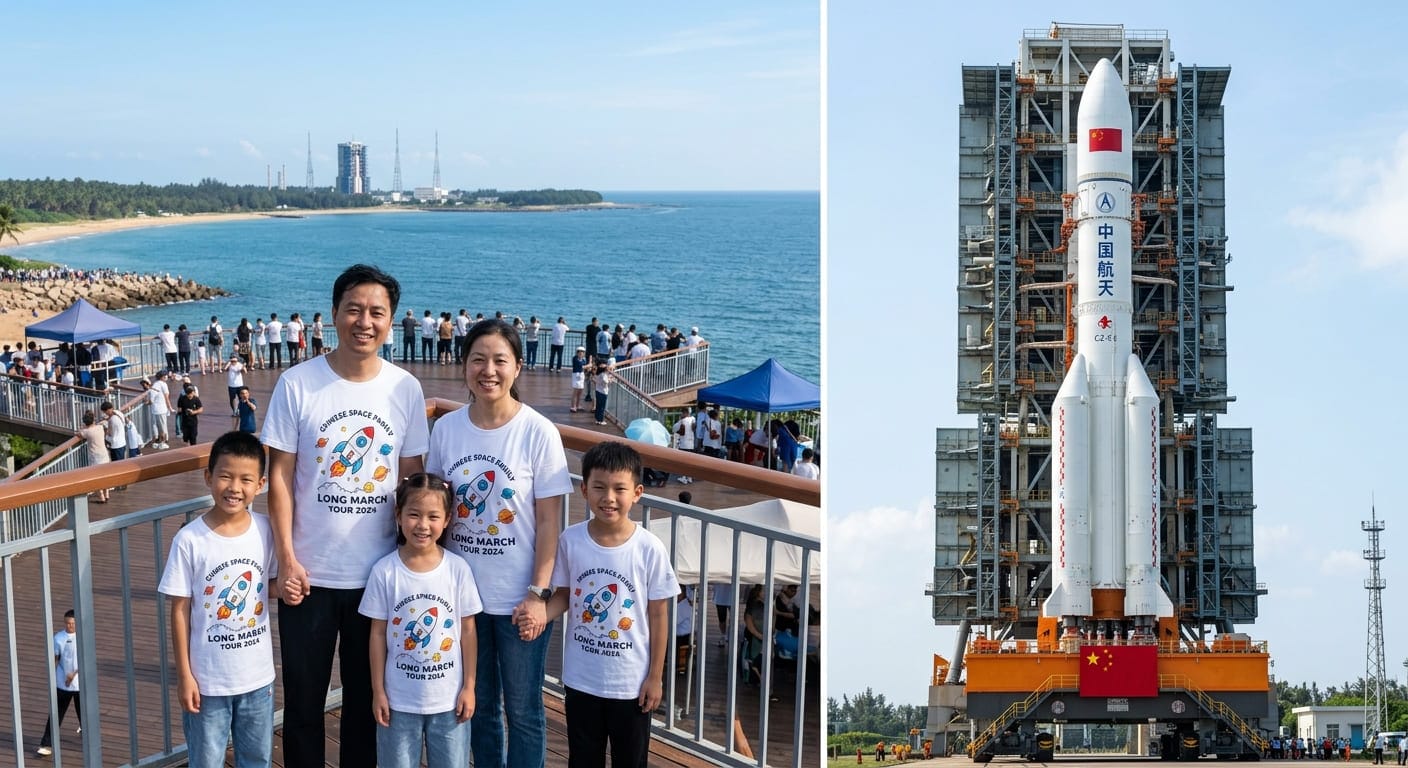
- Family and Educational Travel: STEM-focused travel, or "study tours," has made launch events popular for family vacations and youth educational programs.
- Social Media Influence: High-resolution videos and livestreams shared on platforms like Douyin and Little Red Book have turned launch watching into a viral trend among young travelers.
To support this demand, local authorities and private investors are building space-themed amusement parks, aerospace museums, and dedicated viewing arenas around launch facilities.
To explore how space flight impacts global industries, check out broader trends in space exploration and commercial technology.