
Portugal Travel Surge: UK and European Tourists Propel Record Travel Boom
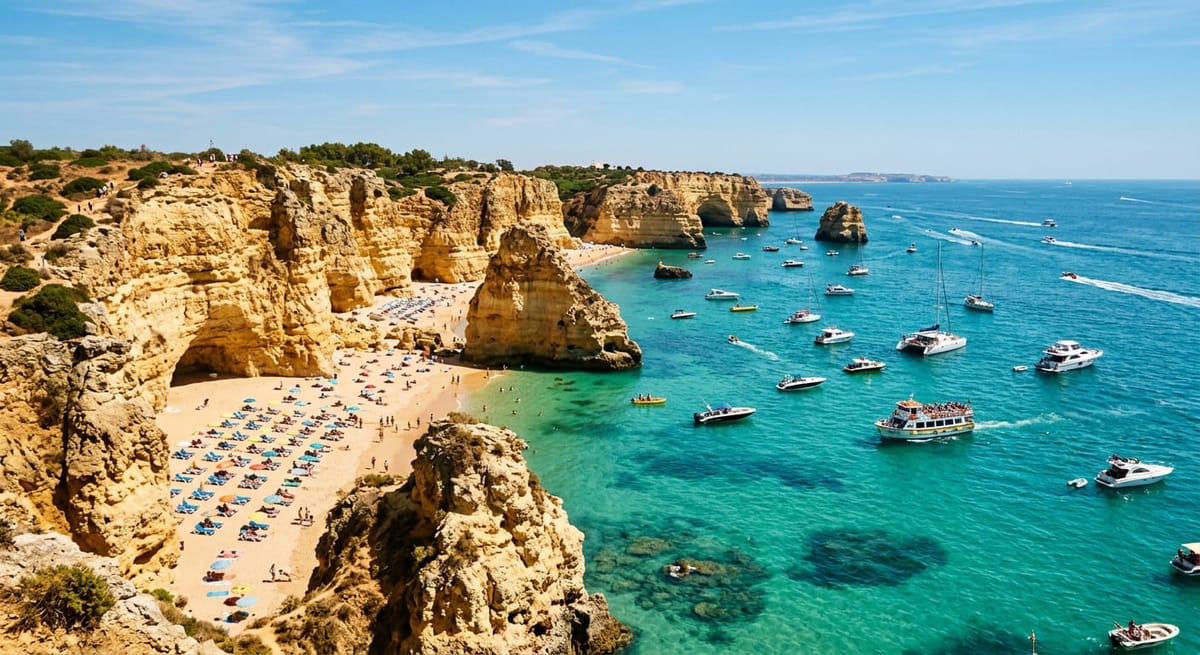
Portugal's tourism industry is experiencing an unprecedented surge in international arrivals, driven largely by sustained demand from British holidaymakers and travelers across mainland Europe. Recent data released by the National Institute of Statistics (INE) highlights record-breaking figures in guest arrivals, overnight stays, and overall sector revenue, cementing the Iberian nation’s status as a primary European travel hub.
Industry experts attribute this surge to Portugal's competitive pricing, expanded flight routes from low-cost European carriers, and an increasing appetite for year-round cultural and coastal travel.
British and European Travelers Drive Record Growth
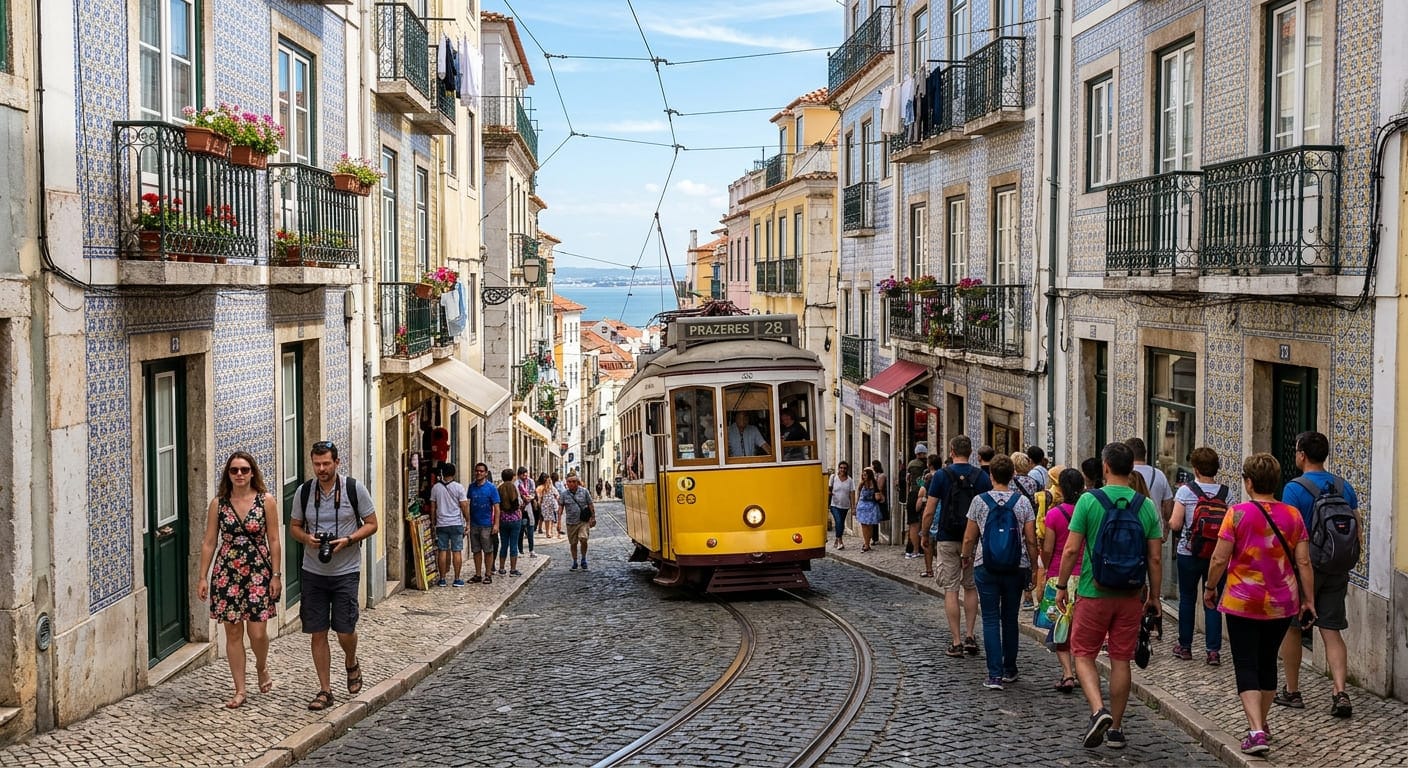
The United Kingdom remains Portugal’s single largest foreign tourist market, accounting for the highest proportion of international overnight stays. British visitors continue to flock to traditional strongholds like the sunny Algarve coast and Madeira, while showing increased interest in city breaks across Lisbon and Porto.
European continentals are not far behind. Strong arrival figures from Germany, Spain, and neighboring EU nations have bolstered accommodation revenues nationwide.
According to data compiled by Turismo de Portugal, tourism receipts have outpaced pre-pandemic levels. Foreign spending in hospitality, food and beverage, and local cultural experiences has provided a major boost to the national economy.
Key Drivers Behind the Travel Boom
Several key factors are fueling this massive influx of British and European holidaymakers:
- Affordability and Value: Despite rising inflation across Europe, Portugal continues to offer high-value accommodations and dining compared to rival Mediterranean destinations.
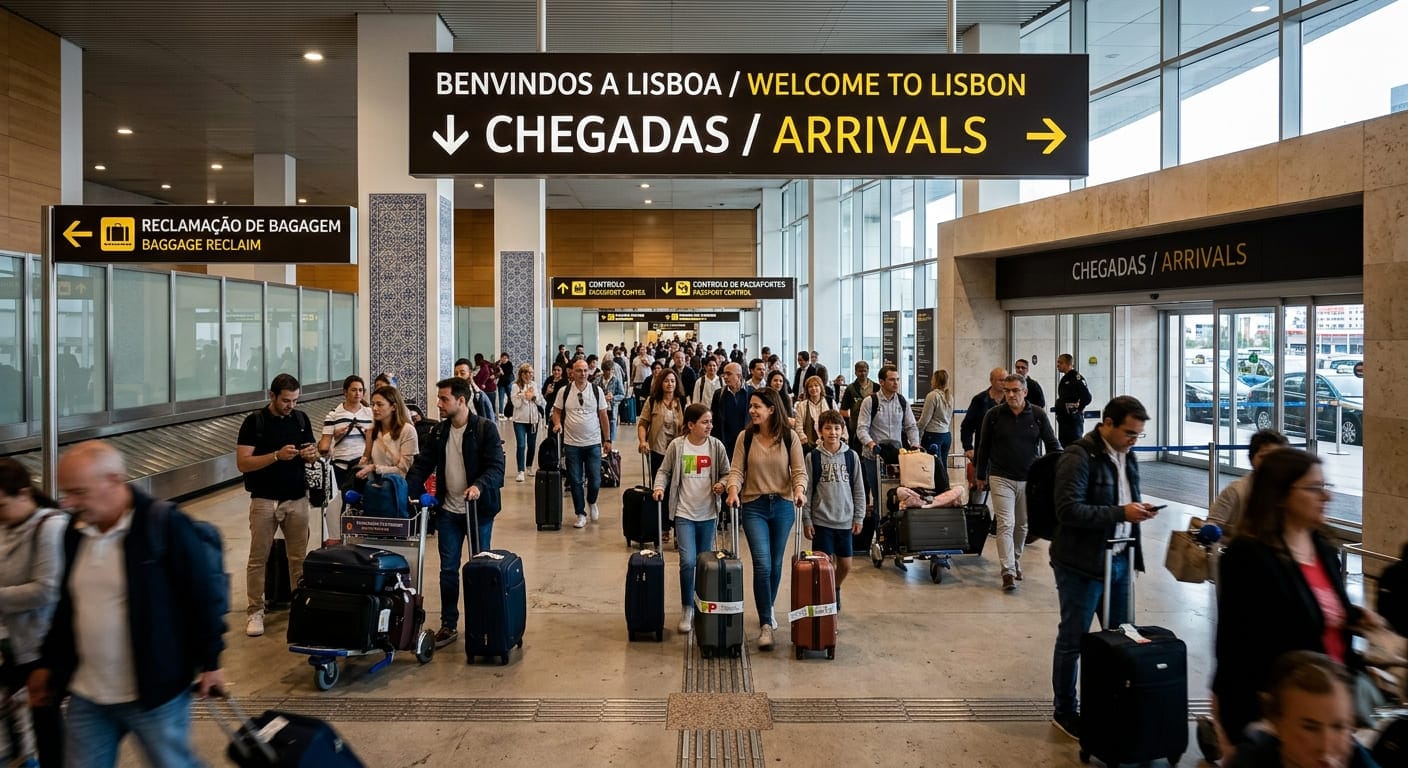
- Enhanced Air Connectivity: Major regional hubs in the UK—including London, Manchester, Bristol, and Edinburgh—have expanded direct routes to Portuguese airports, serviced by carriers such as Ryanair, easyJet, Jet2, and TAP Air Portugal.
- Diversified Destinations: Beyond traditional beach resorts, tourists are increasingly exploring rural inland destinations, northern wine regions like the Douro Valley, and eco-tourism initiatives in the Azores.
Regional Breakdown: Where Visitors Are Heading
Regional travel patterns highlight distinct geographic preferences across foreign markets. The sun-drenched Algarve coast remains the dominant hub for British, Irish, and German tourists seeking luxury golf resorts and coastal leisure. In contrast, Greater Lisbon draws a heavy mix of French, British, Spanish, and American travelers focused on historic sightseeing, culinary experiences, and high-end city hotels. Further north, the Norte region—anchored by Porto and the Douro Valley—attracts Spanish, French, and UK visitors interested in river cruises, historic architecture, and wine tourism. Meanwhile, the island archipelagos of Madeira and the Azores draw steady volumes of German, British, and nature-focused eco-tourists year-round.
Sustainable Management and Future Outlook
While local business owners celebrate the economic boost, Portuguese tourism authorities are actively addressing challenges related to seasonality and local infrastructure. Efforts are underway to promote off-peak travel and direct foot traffic toward lesser-known inland regions to manage overcrowding in high-density areas.
With strong flight bookings projected through the upcoming travel seasons, Portugal’s tourism momentum shows no signs of slowing down, solidifying its place as Europe’s premier getaway.