Pay to Play: How World Cities Are Using Tourist Taxes to Fight Overtourism
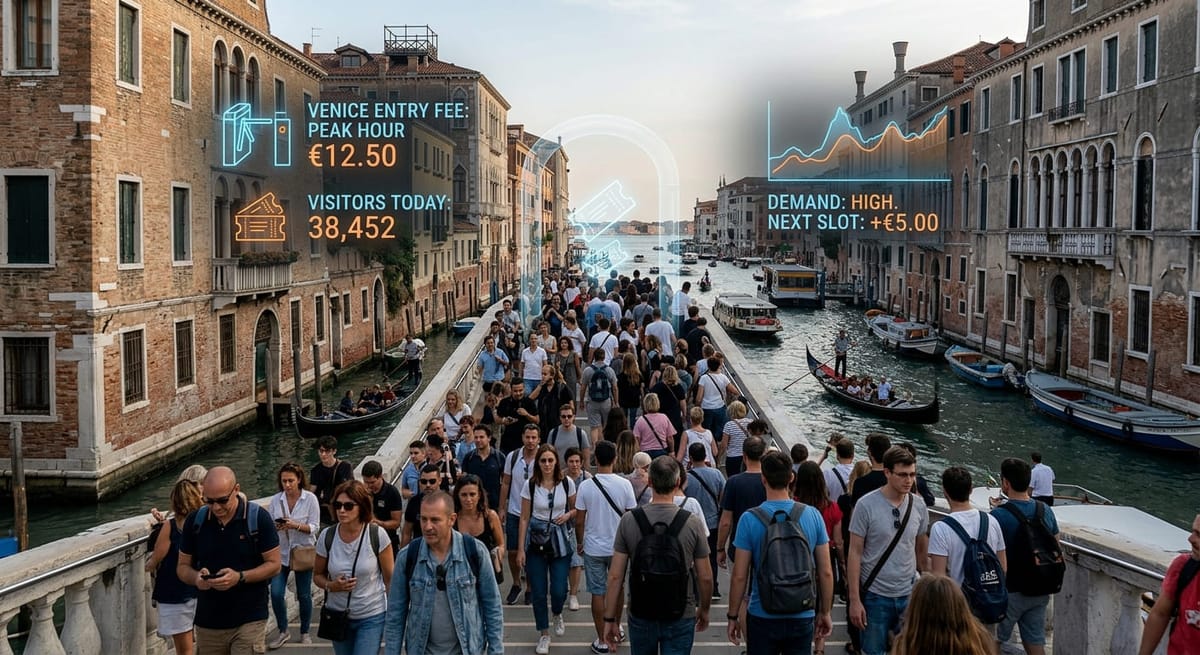
Traveling to the world's most iconic destinations is getting noticeably more expensive. From the historic canals of Venice to the temple-lined streets of Kyoto, municipal leaders are shifting away from traditional tourism promotion to aggressive crowd management. Facing crowded public transit, rising housing costs, and strained infrastructure, major cities are doubling down on visitor levies, entry fees, and lodging surcharges.
What started as minor, unnoticed surcharges on hotel bills has grown into a central policy tool designed to curb visitor volume and fund local preservation.
Why Cities Are Raising the Price of Entry
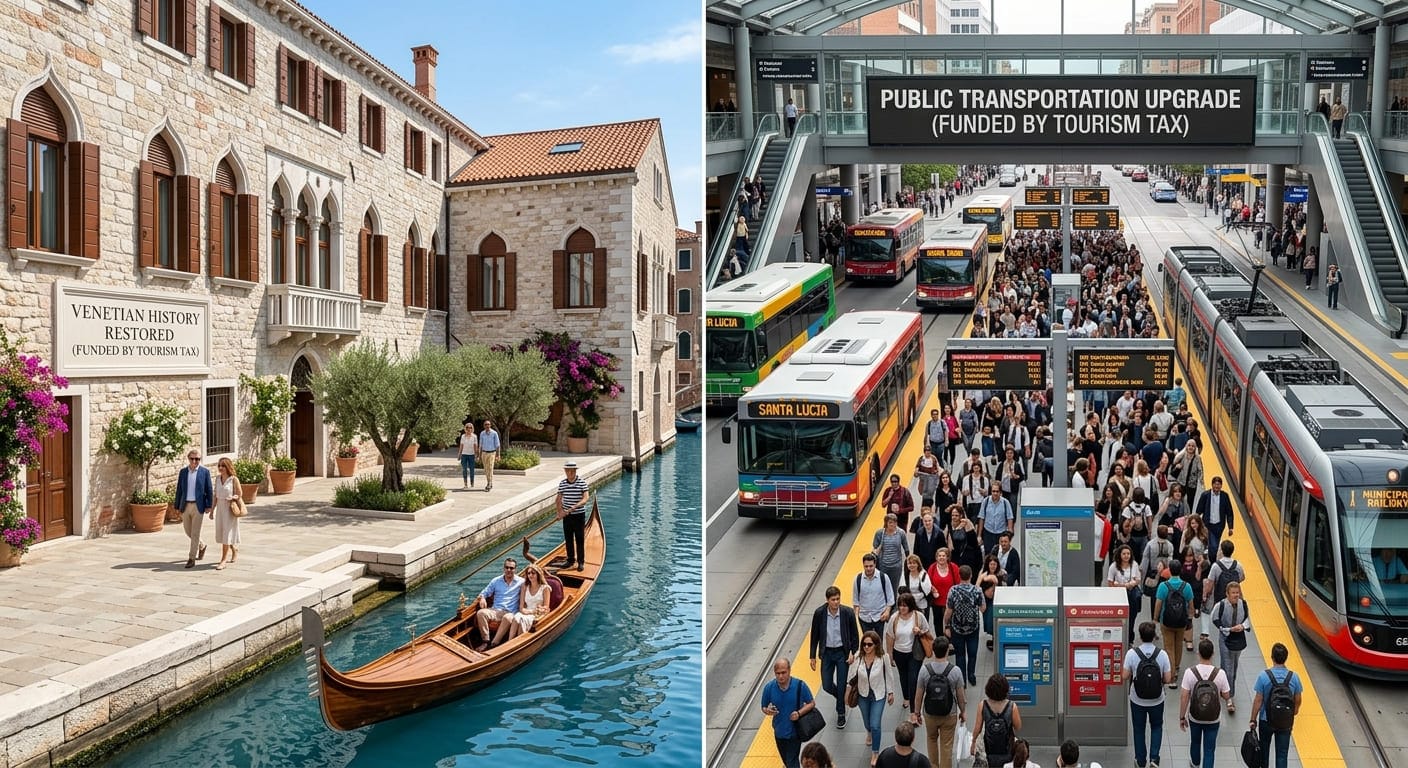
The push behind rising travel fees comes down to a simple reality: local infrastructure cannot keep up with record-setting visitor numbers. Municipalities are using tax revenue to fund garbage collection, historical site restoration, and public transport enhancements that would otherwise fall solely on local taxpayers.
- Venice, Italy: Having expanded its access fee for day-trippers visiting during peak dates, non-overnight visitors must pre-book or face doubled rates at the gate.
- Barcelona, Spain: The city doubled its overnight tourist tax, taking aim at short-term holiday rentals to relieve housing pressure on residents.
- Kyoto, Japan: Aiming squarely at high-end travel, Kyoto restructured its accommodation tax with steep rate hikes on luxury stays and traditional ryokans.
- Amsterdam, Netherlands: Already holding Europe’s highest lodging tax percentage, Amsterdam layered additional surcharges onto hotel stays alongside increased VAT rates on short-term visits.
- Edinburgh, Scotland: Joining European neighbors, Edinburgh introduced a dedicated visitor levy added to overnight room rates to help manage its peak festival crowds.
For context on how destinations calculate municipal levies, review international updates from UN Tourism or check local travel guidelines via UNESCO's World Heritage Centre.
Do Higher Taxes Actually Deter Visitors?
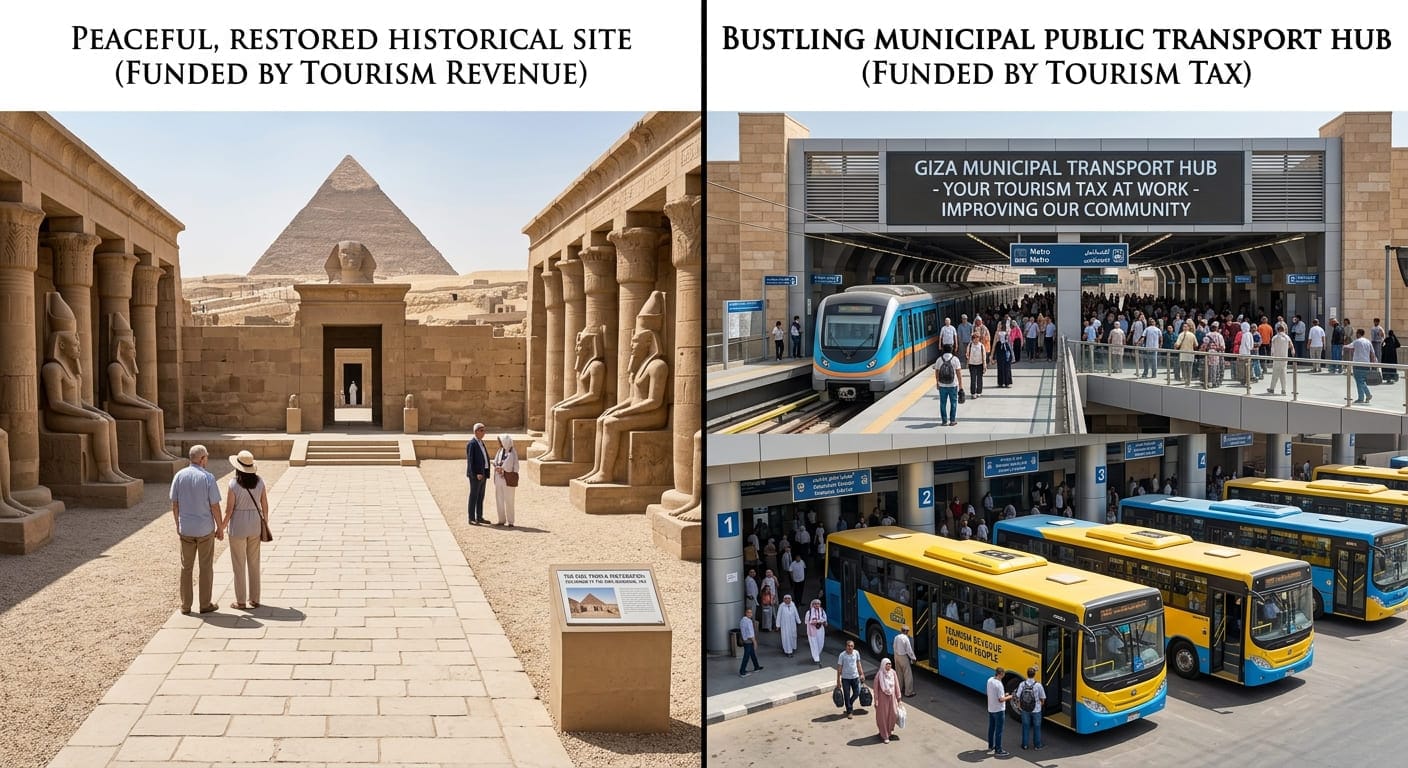
Whether higher fees actually reduce overcrowding remains a hot topic among urban planners. Moderate taxes rarely stop travelers who have spent months planning an international trip. Instead of cutting total headcounts, early data suggests these fees generate substantial municipal revenue while shifting budget-conscious tourists toward off-peak seasons or lesser-known alternatives.
As local governments continue balancing economic benefits against quality of life for residents, the era of low-cost access to world-famous hotspots is quickly drawing to a close.