
New Visitor Regulations and Payment Rules in the Nusa Penida Entry Fee Guide
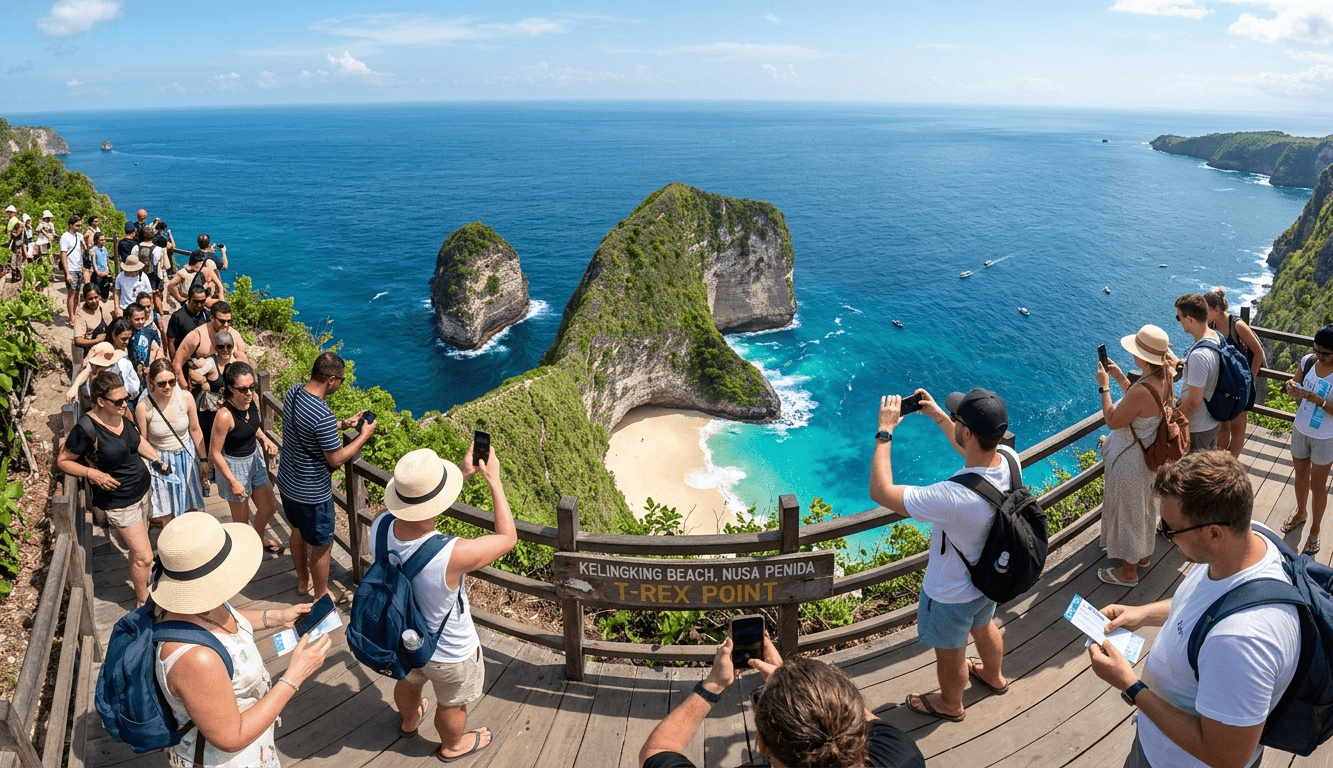
The popular island of Nusa Penida, located off the southeast coast of Bali, has officially introduced a new entry fee system across its major natural attractions.
Enacted under Klungkung Regency Regulation No. 4 of 2026, the updated framework—dubbed the "One Gate One Destination" (OGOD) scheme—requires visitors to pay an individual cashless fee at key beaches and scenic viewpoints. The move expands upon the existing single-entry tax collected from foreign tourists upon arriving at the island's primary harbors.
Dual-Fee Structure: How the System Works
Under the revised regulations, travelers exploring Nusa Penida will encounter a two-tier payment process:
- Island Arrival Fee: A one-time entrance fee charged specifically to international visitors upon disembarking at major harbors across Nusa Penida, Nusa Lembongan, and Nusa Ceningan.
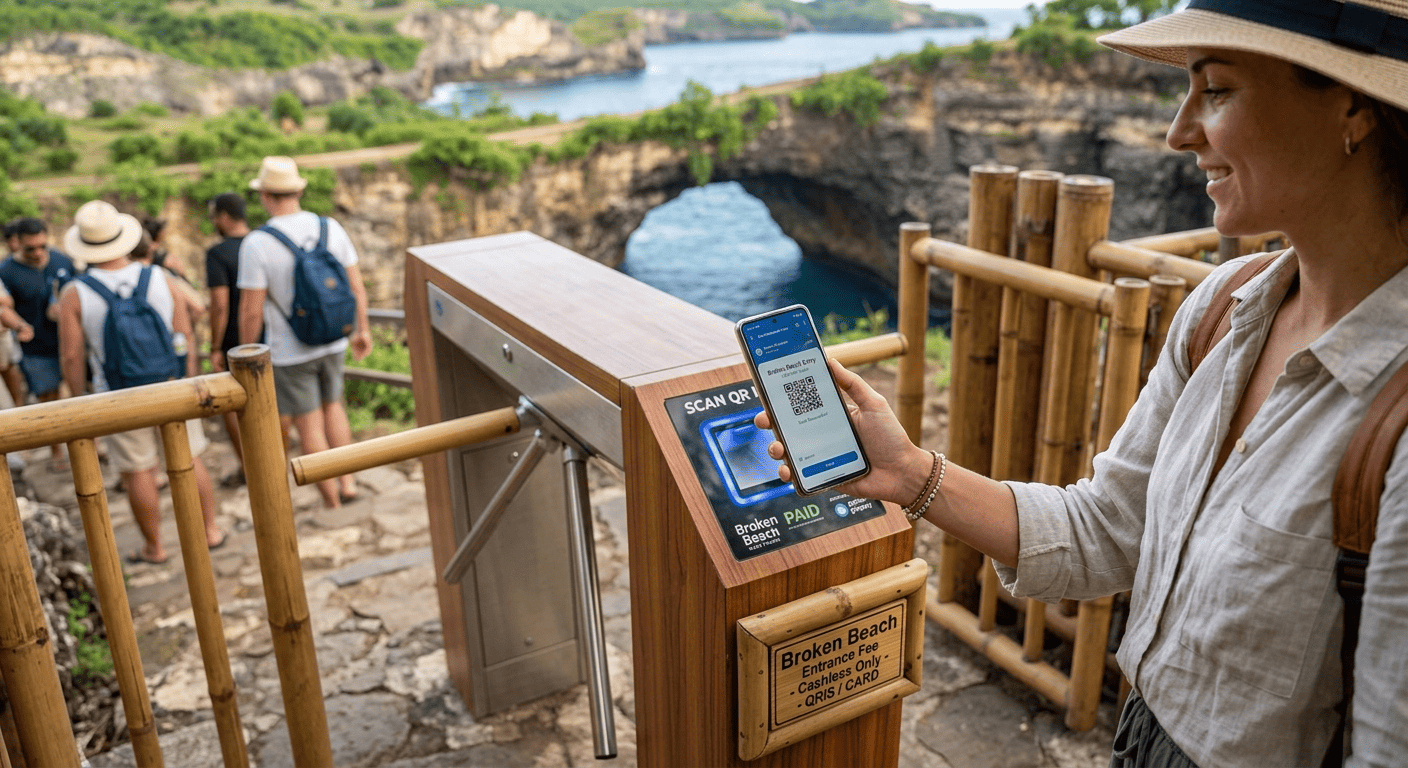
- Attraction Entry Fee: A secondary fee of 25,000 Indonesian Rupiah (approx. $1.50 USD) per adult and 15,000 IDR per child, levied at individual sites regardless of nationality.
The site-specific fees apply to the island’s most frequented landmarks, including Kelingking Beach, Broken Beach, Angel’s Billabong, Crystal Bay, and the Molenteng Treehouse viewpoint. All transactions at site gates are strictly digital, collected via QRIS and card terminals to ensure revenue accountability.
Industry Response and Implementation Challenges
The launch of the extra fee layer has drawn mixed reactions from local tour operators, drivers, and hospitality groups.
The Klungkung chapter of the Indonesian Hotel and Restaurant Association (PHRI) noted that several travel agencies experienced itinerary modifications and cancellations from larger tour groups after the entry fees took effect. Operators highlighted that many travel packages had already been priced and sold as all-inclusive months prior.
Local officials from the Klungkung Tourism Office stated that the transition period includes stakeholder evaluations to streamline ticketing checkpoints. Revenue collected through the OGOD system is earmarked for reinvestment into local road maintenance, waste management systems, and safety barriers around cliffside viewpoints managed in coordination with local customary villages (desa adat).
For official updates on provincial travel regulations, visit the Love Bali Official Portal. Detailed immigration and entry requirements across Indonesia can be verified through the Directorate General of Immigration, while regional tourism statistics are tracked by the Indonesia Ministry of Tourism.