
Mount Olympus Draws New Global Interest as Greece Expands Mountain and Outdoor Tourism Initiatives
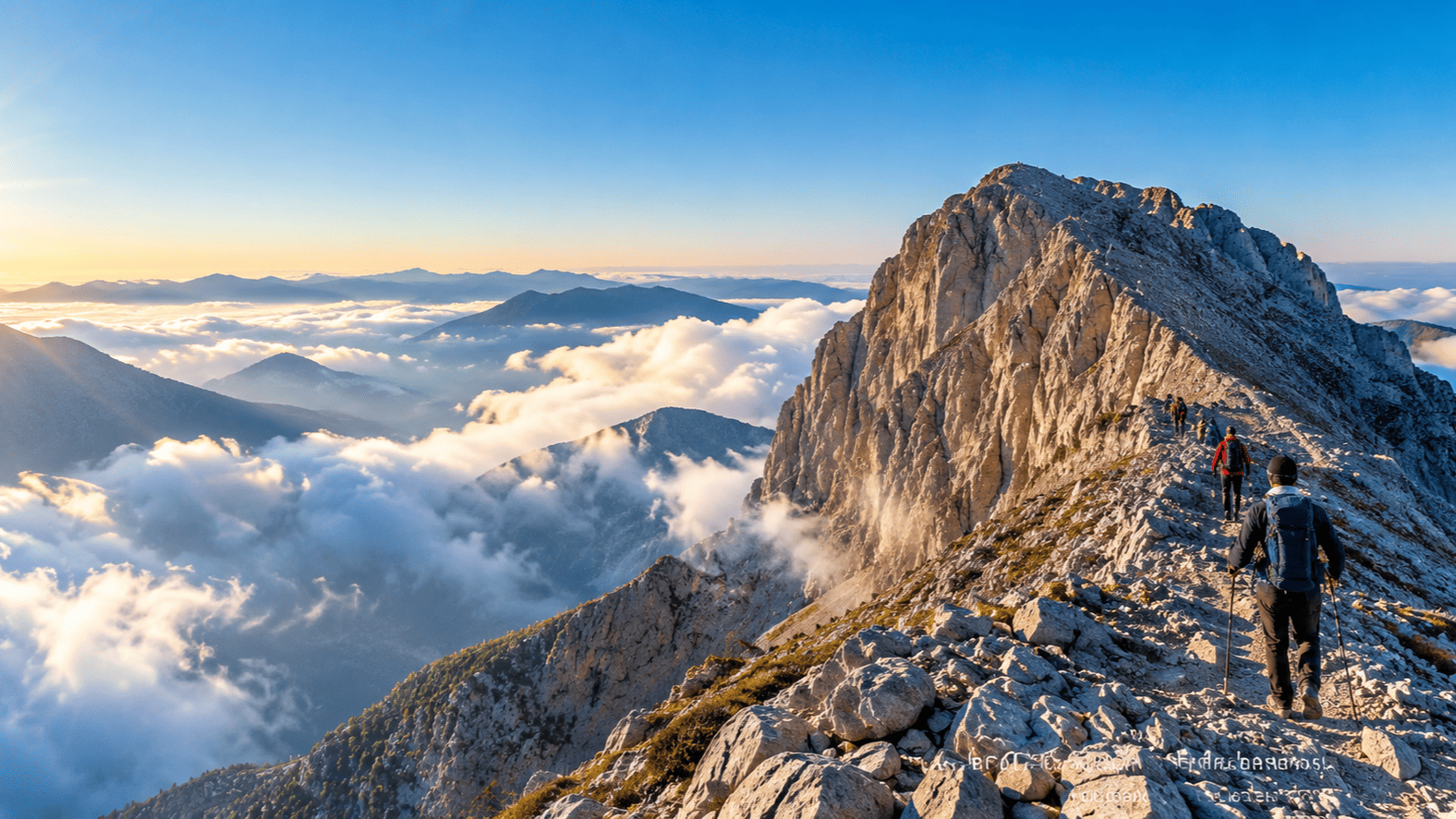
Long celebrated worldwide as the legendary mythological home of the ancient Greek gods, Mount Olympus is stepping into a modern spotlight. Greece’s tourism authorities, alongside regional development boards, are ramping up efforts to promote the country's diverse inland topography, positioning Mount Olympus and the surrounding Pieria region as premier destinations for year-round mountain and adventure travel.
While Greece has historically drawn millions of global visitors to its sun-drenched islands and coastal resorts, national tourism strategies are increasingly shifting toward nature-based, active holidays. This push aims to diversify the country's travel economy, reduce seasonal congestion on popular islands, and showcase the rich biodiversity, hiking trails, and cultural heritage found across the Greek mainland.
Shifting Focus Toward Mainland Adventure
The strategic promotion of Mount Olympus highlights a broader trend across Southern Europe: travelers are seeking active, immersive experiences that connect them with local culture, protected ecosystems, and outdoor sports. Rising interest in hiking, trail running, mountain biking, and ecotourism has turned the mythical peak into a magnet for independent explorers.
"Mount Olympus offers an extraordinary blend of natural beauty, ancient history, and physical challenge that appeals to a completely different traveler demographic," notes regional outdoor tourism coordinators. "By upgrading trail markers, supporting local mountain refuges, and improving digital resources for visitors, we are making our alpine landscapes safer and more accessible."
For comprehensive planning tools, trail maps, and official updates on Greek National Parks, travelers can explore resources provided via the Visit Greece Official Portal.
Key Highlights Across the Olympus Region
The appeal of Mount Olympus extends far beyond its famous 2,918-meter summit, Mytikas. The surrounding national park offers a spectrum of outdoor activities catering to every level of traveler:
- The Enipeas Gorge: A stunning natural ravine featuring crystal-clear streams, wooden footbridges, and historic monastery ruins, popular for moderate day hikes.
- The Plateau of the Muses: A breathtaking alpine high-altitude plain offering panoramic views, starry night skies, and welcoming mountain refuges for overnight stays.
- Gateway Village of Litochoro: Positioned at the foot of the mountain, this traditional town acts as the primary basecamp for climbers, offering boutique guesthouses, local tavernas, and direct access to major trailhead paths.
To review international mountaineering frameworks and sustainable outdoor safety protocols, visitors can reference standards maintained through the UN Tourism global network.
Sustainable Infrastructure and Visitor Preparedness
As foot traffic increases across the national park, local municipalities and mountain rescue teams are emphasizing responsible tourism practices. Because alpine weather can shift rapidly from warm sunshine to freezing winds and sudden storms, authorities stress the importance of proper physical preparation, adequate equipment, and booking overnight refuges well in advance.
What This Means for Active Travelers
- Diversified Itineraries: Travelers can easily combine a week of coastal island exploration with a few days of alpine trekking and cultural discovery on the mainland.
- Support for Local Economies: Inbound tourism directly benefits mountain villages, family-run guesthouses, local guide services, and regional craft producers.
- Preservation of Natural Heritage: Increased focus on sustainable infrastructure ensures that the fragile flora, fauna, and geological wonders of Olympus are protected for future generations.