
Morocco Unveils $4 Billion Hotel Expansion Drive Ahead of 2030 FIFA World Cup
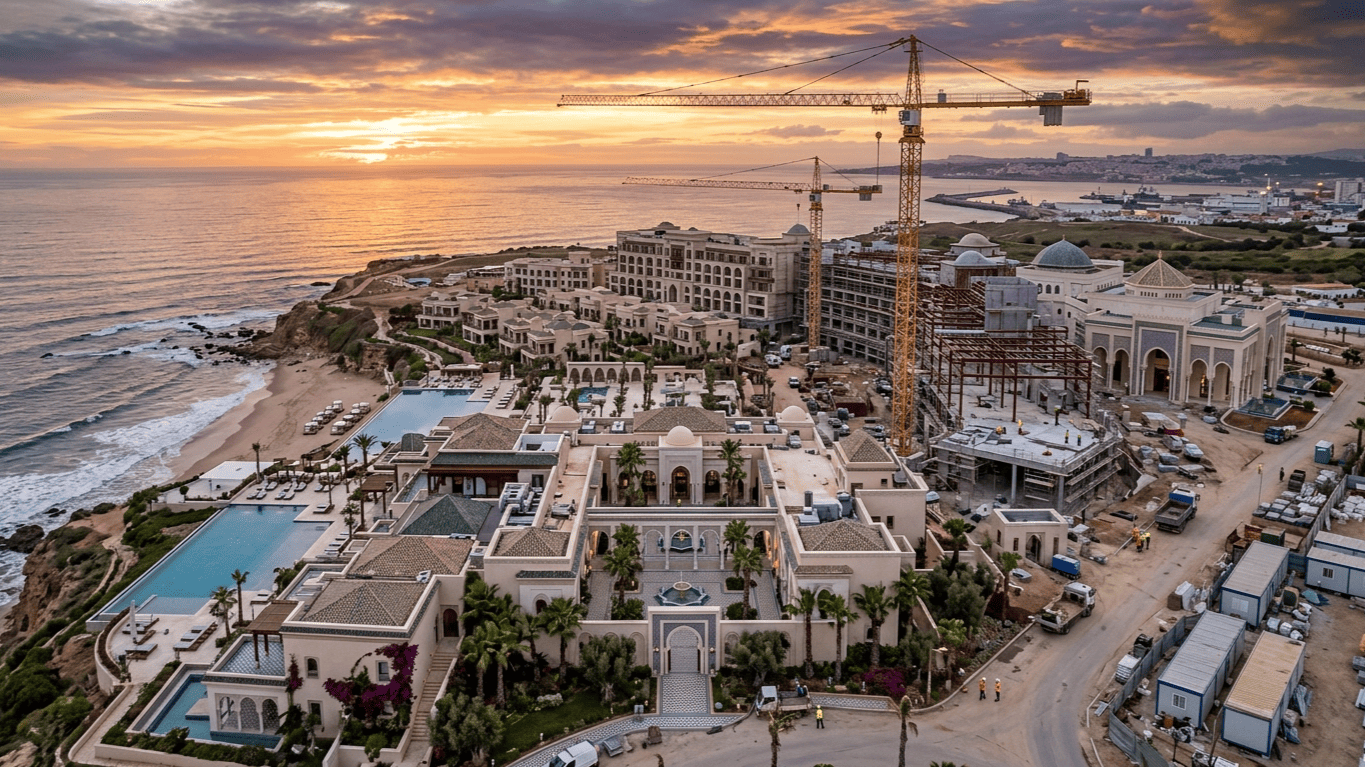
Morocco has launched an aggressive $4 billion investment drive to expand its national hotel capacity by 20% ahead of co-hosting the 2030 FIFA World Cup alongside Spain and Portugal. The initiative aims to add 60,000 new hotel beds—comprising approximately 25,000 new rooms—across nearly 700 construction and renovation sites nationwide.
The strategic push forms part of a wider $20 billion national infrastructure upgrade designed to handle unprecedented international traveler flows. Having welcomed a record 20 million visitors in 2025 and seeing 15.7 million arrivals through the first three quarters of 2026, Moroccan tourism authorities are positioning the kingdom to attract 26 million annual visitors by the time the tournament kicks off.
Domestic capital is expected to fund nearly three-quarters of the 700 active hospital sites, while major international hospitality brands are slated to operate at least 15% of the upcoming hotel supply.
Diversifying Beyond Traditional Hotspots
For decades, international leisure travel in Morocco has centered around established tourist strongholds like Marrakech and Agadir. However, accommodating team delegations, global media crews, and hundreds of thousands of international football fans requires a significantly broader geographical footprint.
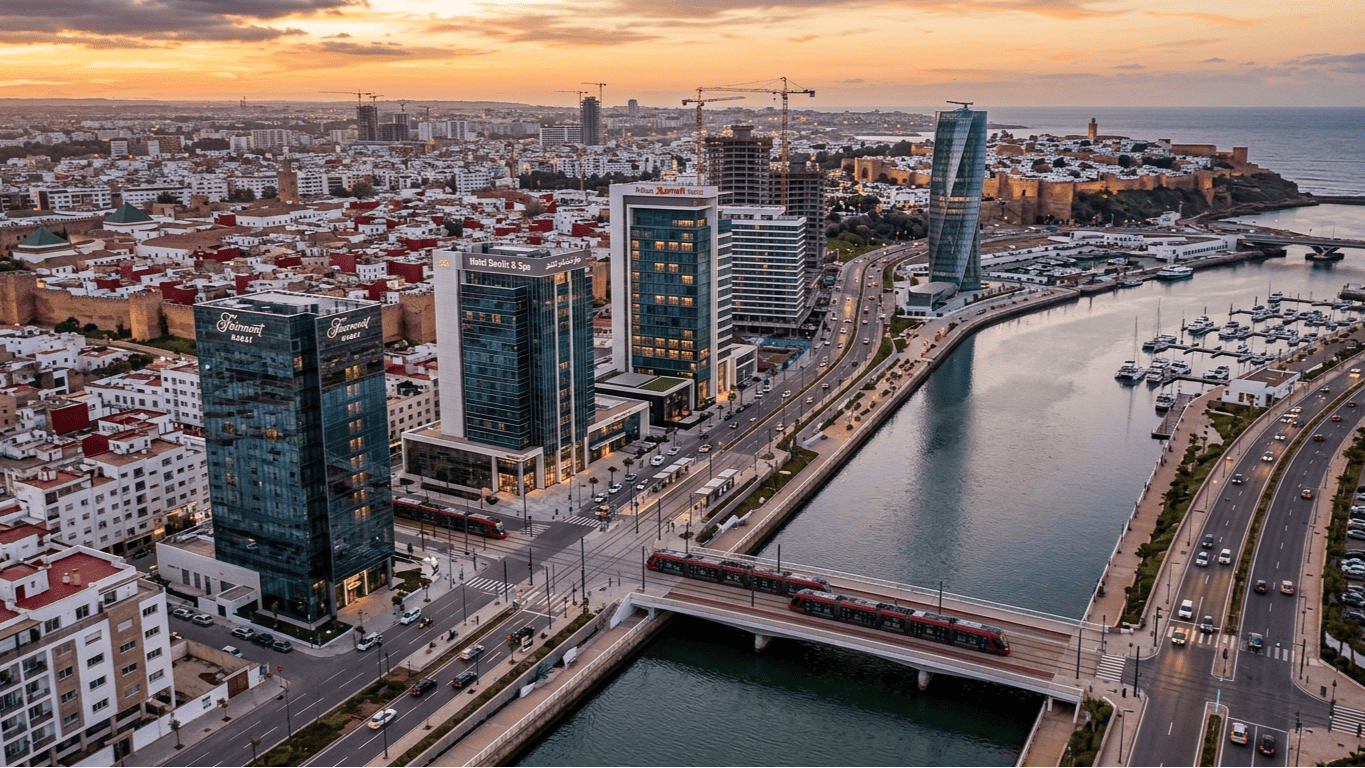
Host cities including Casablanca, Tangier, Fez, and the capital city of Rabat are seeing immediate influxes of development across luxury, mid-scale, and business accommodations. Rabat, in particular, is undergoing a rapid repositioning to serve as a key business, cultural, and sports event hub rather than just a political center.
To ensure construction moves at pace, regional development authorities are streamlining land grants, offering direct tax incentives, and fast-tracking building permits for investors targeting sites near primary transport corridors and new stadium precincts.
Private Equity and Global Chains Mobilize
Global hotel chains are rushing to capitalize on the expansion. Leading hospitality operators—including Marriott International, Accor, and Radisson Hotel Group—have expanded their project pipelines across North Africa, targeting both high-density urban hotels and boutique heritage properties.
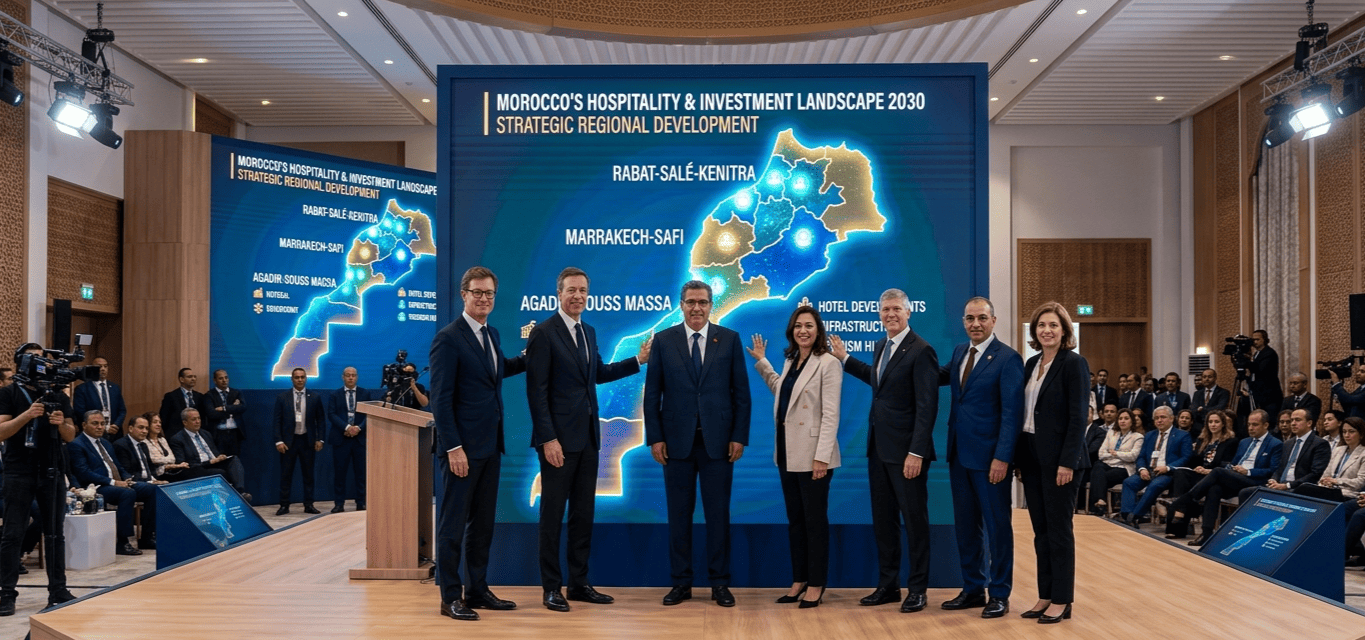
Alongside large-scale hotels, the government’s master plan integrates alternative lodging models, including eco-lodges, serviced apartments, and converted historic riads. This hybrid approach aims to provide flexible accommodation capacity during peak match days while preserving local architecture and heritage.
At the same time, major civil works projects—including high-speed rail corridor extensions and terminal upgrades at major international airports—are being synchronized with hotel openings to guarantee seamless transit between match venues.
Long-Term Economic Legacy
While the immediate focus remains on World Cup readiness, Moroccan officials view the hospitality boom as a long-term engine for economic diversification. Annual tourism receipts, which reached a record 138 billion dirhams in 2025, are projected to rise significantly as new room supply opens nationwide.
By turning first-time football tourists into long-term repeat visitors, Morocco aims to solidify its position as Africa's premier travel destination well beyond the final whistle of 2030.