
Middle East Travel Spend Set to Spike 57 Percent by 2030 Driven by GCC Winter Booking Surge
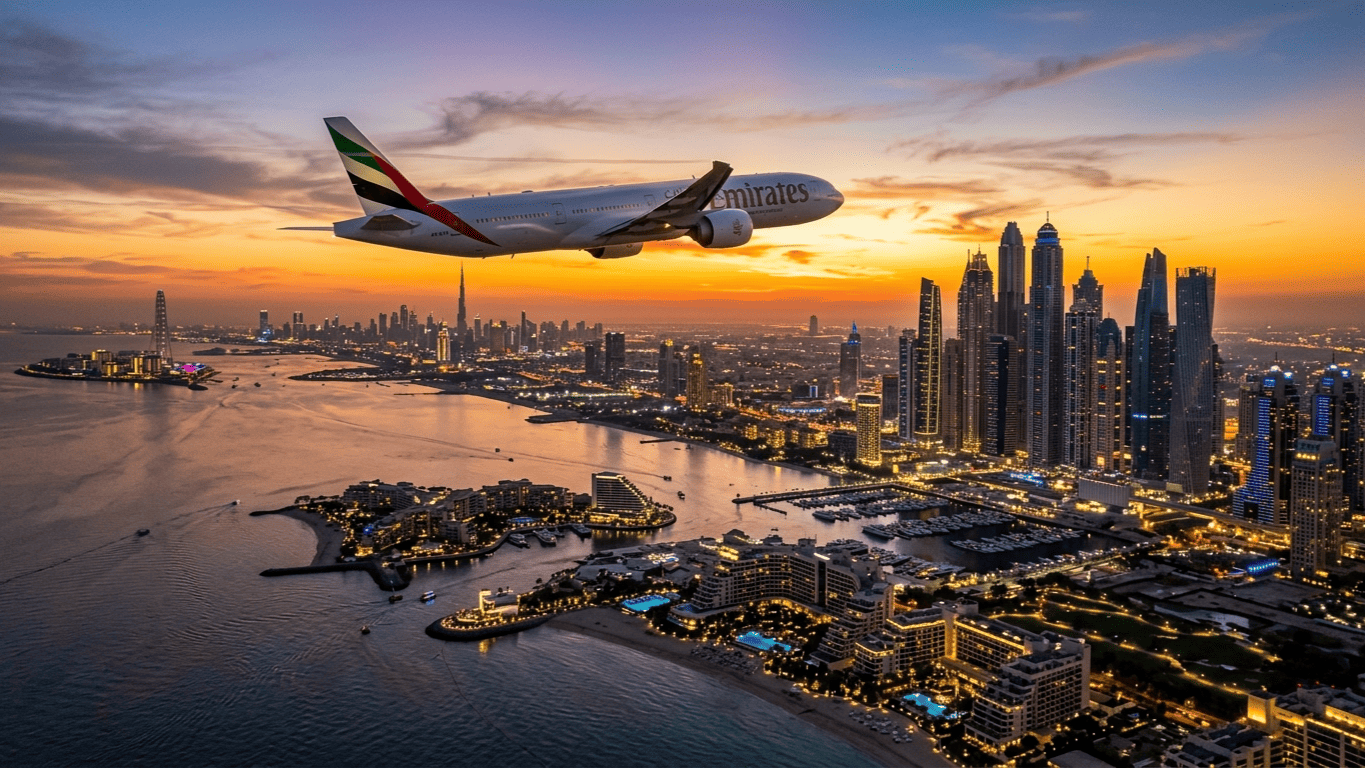
The tourism sector across the Middle East is entering an unprecedented growth phase, with regional travel expenditure projected to jump by 57% by the end of the decade. Driven by ambitious national infrastructure initiatives, mega-events, and an unprecedented surge in winter flight and hotel reservations, the Gulf Cooperation Council (GCC) is solidifying its position as a global year-round tourism powerhouse.
Winter Tourism Surge Powers Regional Growth
As northern hemisphere travelers seek warmer climates, destination hubs across Saudi Arabia, the UAE, Qatar, and Oman are experiencing record-breaking advance bookings. Airlines operating across the region have expanded seasonal flight capacities, while luxury and mid-scale hotels report soaring occupancy rates for the upcoming winter season.
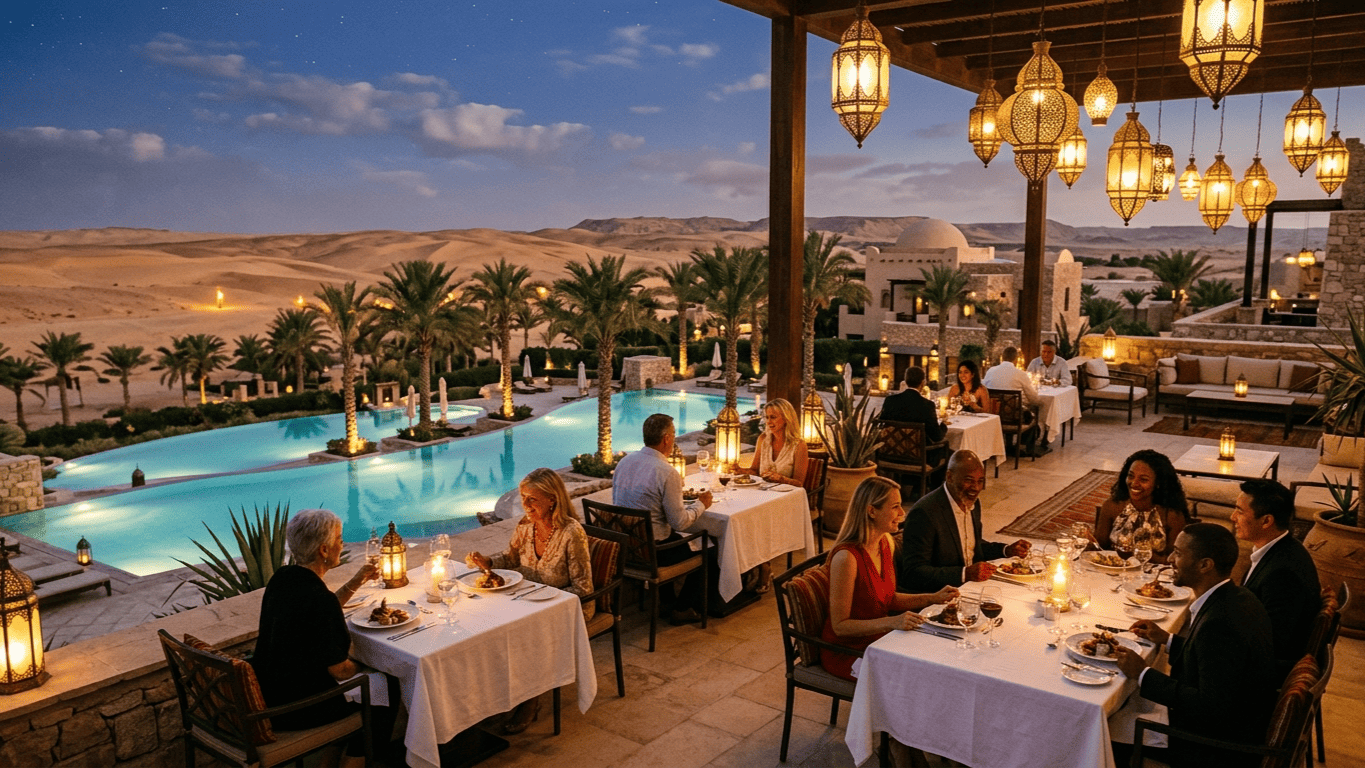
Key factors contributing to the 57% projected growth include:
- Relaxed Regional Travel Policies: Streamlined visa processes and unified GCC travel initiatives have made multi-destination itineraries far seamless for international tourists.
- Expanded Aviation Infrastructure: Major regional carriers and low-cost airlines continue to introduce new routes connecting Europe, Asia, and Africa directly to secondary Gulf cities.
- Mega-Projects and Cultural Landmarks: Investment in heritage sites, entertainment hubs, and eco-resorts is encouraging longer stays and higher average daily spend per visitor.
Economic Diversification and Beyond
This massive rise in travel spend directly supports broader economic diversification strategies across Gulf economies. By expanding hospitality offerings and developing sustainable tourism corridors, the region is actively capturing high-value luxury travelers alongside business and leisure visitors.
To read more on international aviation trends and regional tourism policy updates, explore the latest reporting in our global travel news section.