Middle East Flight Disruptions Continue as Airlines Extend Suspensions Through Autumn 2026
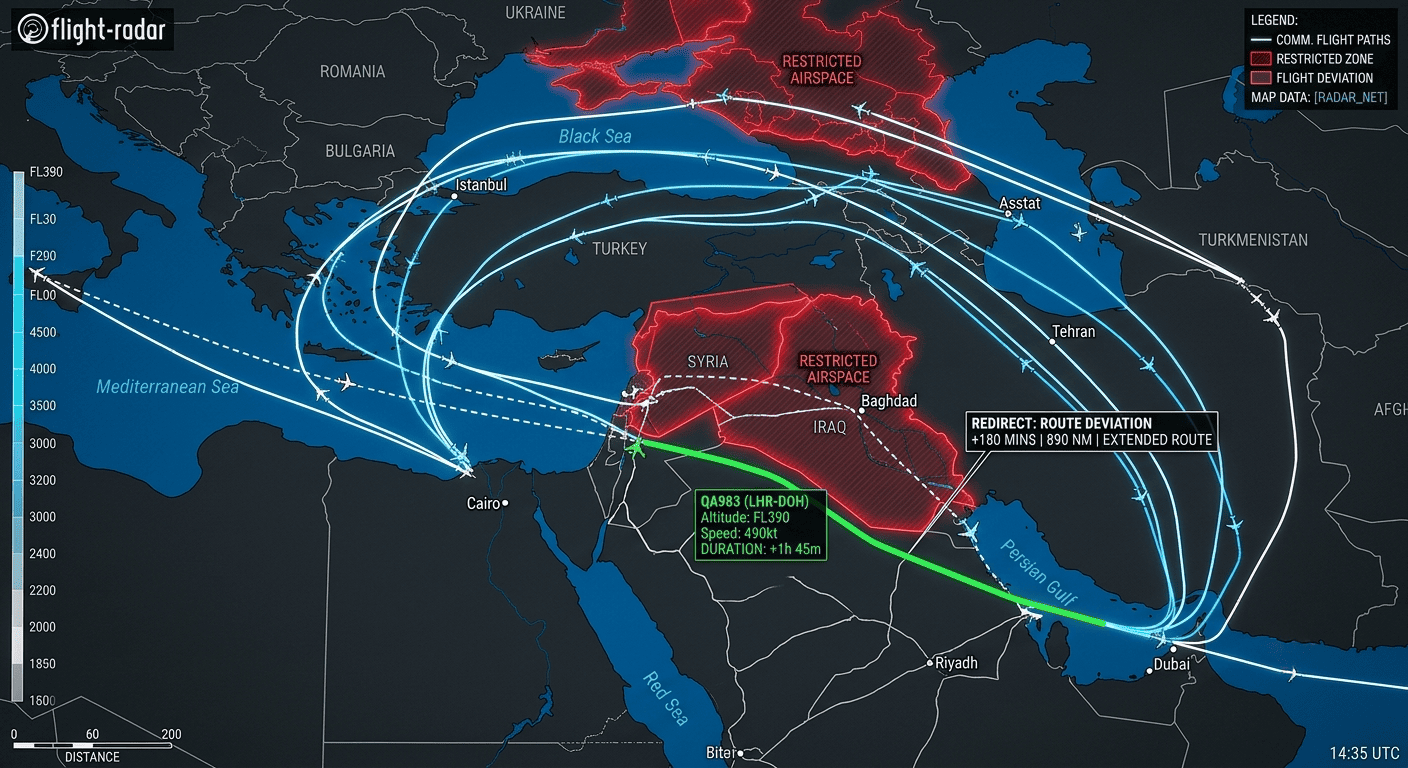
Global air travel faces persistent friction into the fall season as international carriers push back the resumption of flights across major Middle Eastern hubs. Citing ongoing regional security concerns and stringent airspace advisories, global airlines including Lufthansa Group, Air Canada, KLM, and Singapore Airlines have extended route suspensions across key regional hubs through October 2026.
The extended suspensions mark a prolonged operational challenge for international civil aviation, as the Middle East serves as a critical geographic bridge connecting Europe, Asia, Africa, and Australia.
Global Carriers Adjust Rosters as Airspace Restrictions Hold
What initially began as short-term schedule pauses has evolved into multi-month network realignments. European and North American legacy carriers continue to lead the pullbacks:
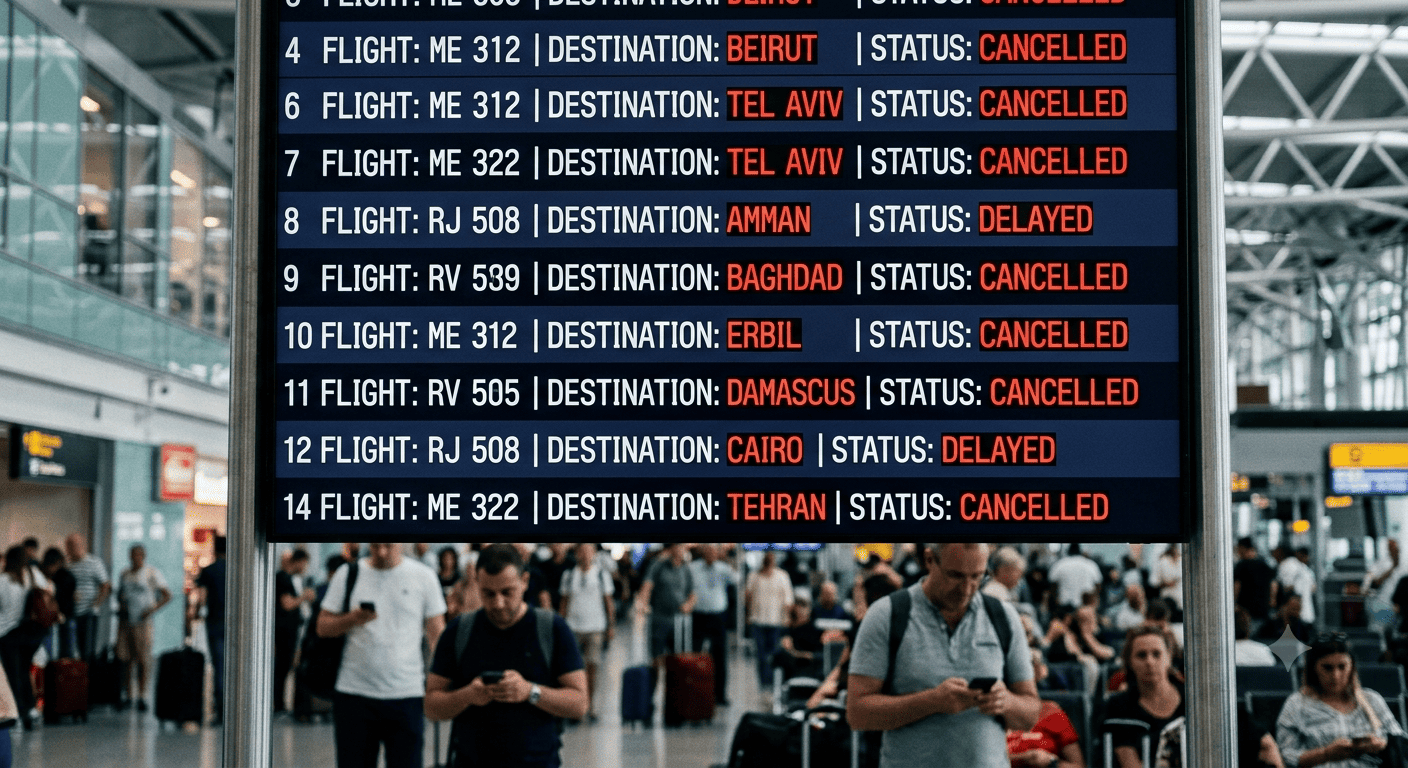
- Lufthansa Group: Suspensions across major destinations—including Tel Aviv, Beirut, Tehran, Amman, and select Gulf routes—have been extended into late October 2026, forcing a reduction of thousands of regional and connecting flights.
- Air Canada: Operations to and from major regional destinations like Dubai (DXB) remain suspended, with rebooking waivers and cancellations extending well into late 2026.
- KLM & Singapore Airlines: Flight schedules serving Gulf destinations including Dubai, Riyadh, and Dammam remain paused through at least September and late October 2026.
- Regional & Low-Cost Carriers: Mid-tier and budget regional carriers—including FlyArystan and Air Astana—have similarly extended suspensions on regional routes into mid-September 2026.
While home-hub Gulf giants such as Emirates and Qatar Airways have stabilized much of their core intercontinental schedules, overall regional throughput remains down, with carriers exercising extreme caution around designated flight corridors.
The Operational Ripple Effect: Longer Flight Times and Fuel Pressure
The ongoing closure and restriction of key Flight Information Regions (FIRs) force commercial long-haul aircraft to take wider detours around restricted air corridors. These diversions carry heavy financial and logistical penalties:
- Extended Flight Durations: Europe-to-Asia routes navigating around restricted zones are seeing flight times increase by 60 to 120 minutes per leg.
- Surging Fuel Expenditures: Longer flight paths coupled with elevated global jet fuel pricing have placed sustained pressure on airline profit margins, driving ticket prices upward across transcontinental routes.
- Air Freight Bottlenecks: Reduced passenger flights—which typically handle significant amounts of global belly-hold cargo—have constrained international air cargo capacity, raising shipping costs for electronics, perishables, and pharmaceutical supply chains.
Aviation safety regulators, including the European Union Aviation Safety Agency (EASA) and the Federal Aviation Administration (FAA), maintain active Conflict Zone Information Bulletins (CZIBs), urging commercial operators to avoid high-risk airspace layers entirely.
Passenger Rights, Refunds, and Travel Guidance
Travel agencies and international aviation boards advise all passengers traveling through or near the Middle East to take immediate precautions:
- Verify Directly with Operating Carriers: Do not rely solely on third-party booking tools; check operational statuses directly on airline portals before departing for the airport.
- Review Rebooking and Refund Policies: Most major airlines operating in the region have established fee-free rebooking waivers, destination updates, or full-refund options for travel impacted by ongoing suspensions.
- Register for Embassy Advisories: Travelers holding foreign citizenships should register with their government's safe-travel program (such as the US State Department’s Smart Traveler Enrollment Program (STEP)) to receive real-time travel alerts and embassy contact updates.
Airlines and aviation analysts expect schedule updates to remain fluid through the end of Q3 2026 as carriers continually evaluate safety advisories and airspace access.