Middle East Claims Global Lead as Travel’s Long-Term Growth Engine
While traditional tourism hubs across Europe and North America manage single-digit annual gains, the Middle East is pulling off one of the most aggressive structural transformations in modern travel history.
Driven by multi-billion-dollar sovereign investments, regulatory overhauls, and a swift shift away from oil dependency, international arrivals in the Middle East have surged nearly 40% above pre-pandemic baselines—making it the top-performing global region for long-term growth momentum.
The WTTC Economic Impact Research reported that the region’s travel economy expanded by 5.3% year-over-year, outperforming the global average of 4.1% and generating $385.8 billion for regional GDP. Far from being a temporary spike, market analysts point to a permanent realignment of global travel routes toward the Gulf and North Africa.
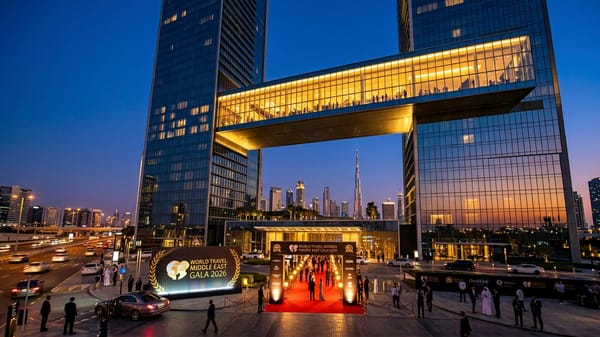
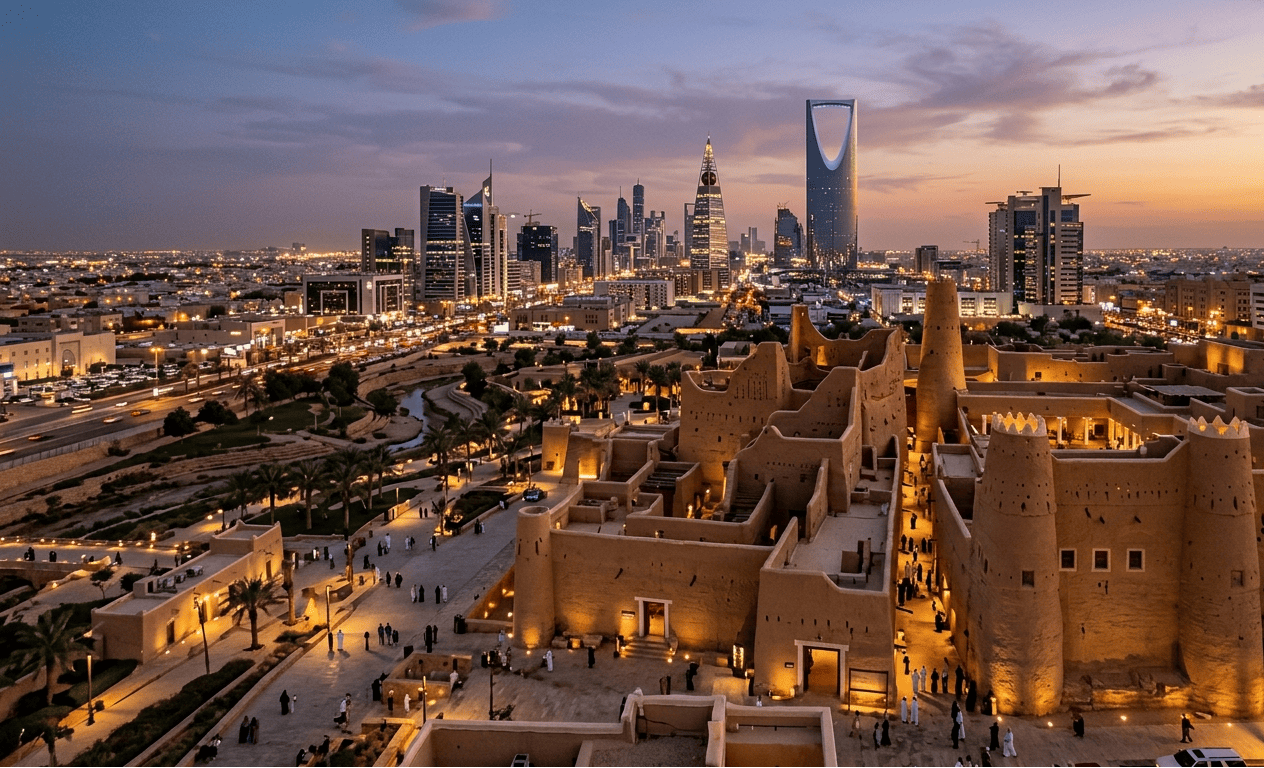
Saudi Arabia leads this market shift, generating 46% of the region’s total travel economy with an economic impact of $178 billion. This surge is anchored by ambitious flagship projects under Saudi Vision 2030, including the Red Sea Project, Diriyah, and NEOM. The United Arab Emirates follows closely, contributing 18% ($68.5 billion) through hyper-modern urban tourism, massive airport expansions, and dominant business conference hubs. The remainder of the GCC and North Africa accounts for 36% ($139.3 billion) of regional travel GDP, energized by premier cultural draws like the Grand Egyptian Museum, Qatar’s sports infrastructure, and Oman’s expanding eco-resort sector.
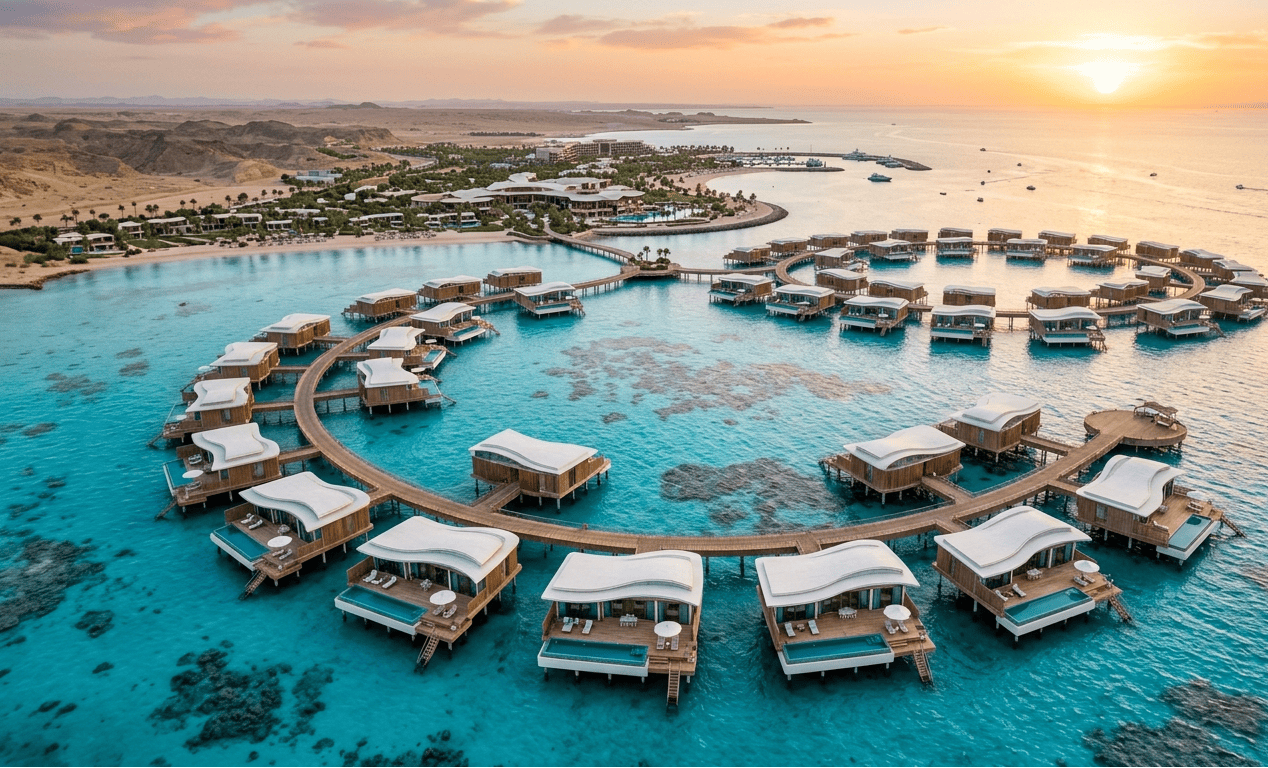
The Capital Catalyst: Beyond Oil & Gas
At the center of this momentum is Saudi Arabia, which recorded over 123 million domestic and international tourists on the back of its infrastructure push along the Red Sea coast and historical centers like AlUla.
"What we are seeing in the Gulf isn't incremental travel promotion; it is capital infrastructure building at a scale unseen since the mid-20th century," notes regional travel analyst Marcus Vance. "Countries in the GCC are building entire ecosystems—from new flag carriers to custom-built coastal cities—designed explicitly to capture long-haul travel spend."
Egypt and Jordan have similarly captured significant growth. Egypt saw a 21% surge in international visitors, bolstered by high-profile cultural investments including the full launch of the Grand Egyptian Museum in Giza.
Key Drivers Accelerating the Surge
- The GCC "Grand Tours" Visa: Modeled after Europe’s Schengen area, the rollout of a unified tourist visaacross Gulf Cooperation Council countries allows seamless travel across Saudi Arabia, the UAE, Qatar, Bahrain, Kuwait, and Oman.
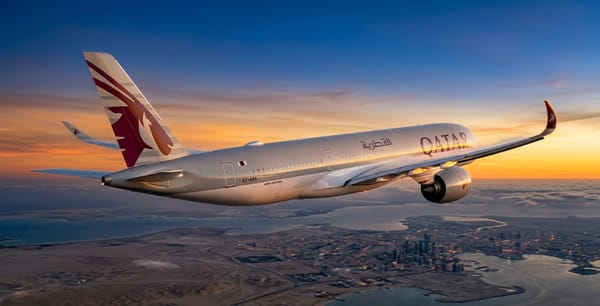
- Aviation Dominance: Aggressive fleet expansions by regional carriers and the launch of new airlines—such as Riyadh Air—are rerouting long-haul transit patterns through Middle Eastern hubs.
- Diversified Attractions: The region has successfully expanded beyond religious pilgrimage and luxury shopping into sports tourism, eco-resorts, dynamic heritage projects, and high-yielding business conferences.
Integrating Search Intent & Editorial Backlinks
To fully capture organic search interest around these developments, regional publishers are aligning structural news coverage with high-intent keywords like hospitality investment trends and unified tourist visa guidelines. Contextual references to the UN Tourism Barometer data confirm macro travel shifts, while strategic linking between real estate market developments and destination updates ensures search engines recognize the region’s expanding commercial depth.
Navigating Geopolitical Headwinds
The long-term outlook remains bullish, though the sector faces real-world friction. Regional volatility and shifting jet fuel costs create short-term uncertainty for international itineraries. However, global hospitality brands continue to double down on their pipelines. More than 180 major hotel developments are slated to open across the region over the next 24 months, underscoring institutional confidence that the Middle East’s travel boom has a decades-long runway.