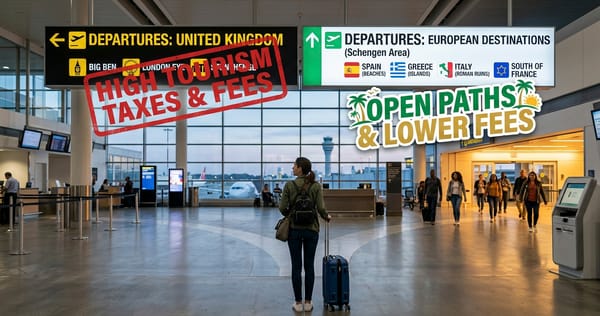
Mexico Forecasts Record-Breaking Summer Tourism Season with 22.4 Million Hotel Guests
Mexico’s Ministry of Tourism (SECTUR) projects a historical summer vacation period, estimating that 22.4 million domestic and international tourists will stay in hotel accommodations nationwide between July 20 and August 30. The projection represents a 5.6% year-over-year increase in hotel arrivals compared to the previous summer season.
Supported by expanded international flight routes, post-World Cup travel momentum, and strong demand across both coastal resorts and historic inland capitals, average national hotel occupancy is expected to reach 65% throughout the six-week holiday frame.
Regional Growth Leaders and Destination Highlights
While traditional beach destinations continue to draw heavy volume, colonial cities and recovering coastal markets are recording the steepest growth rates for the summer window.
According to data released by Tourism Minister Josefina Rodríguez Zamora, destination projections indicate strong performance across several key tiers:
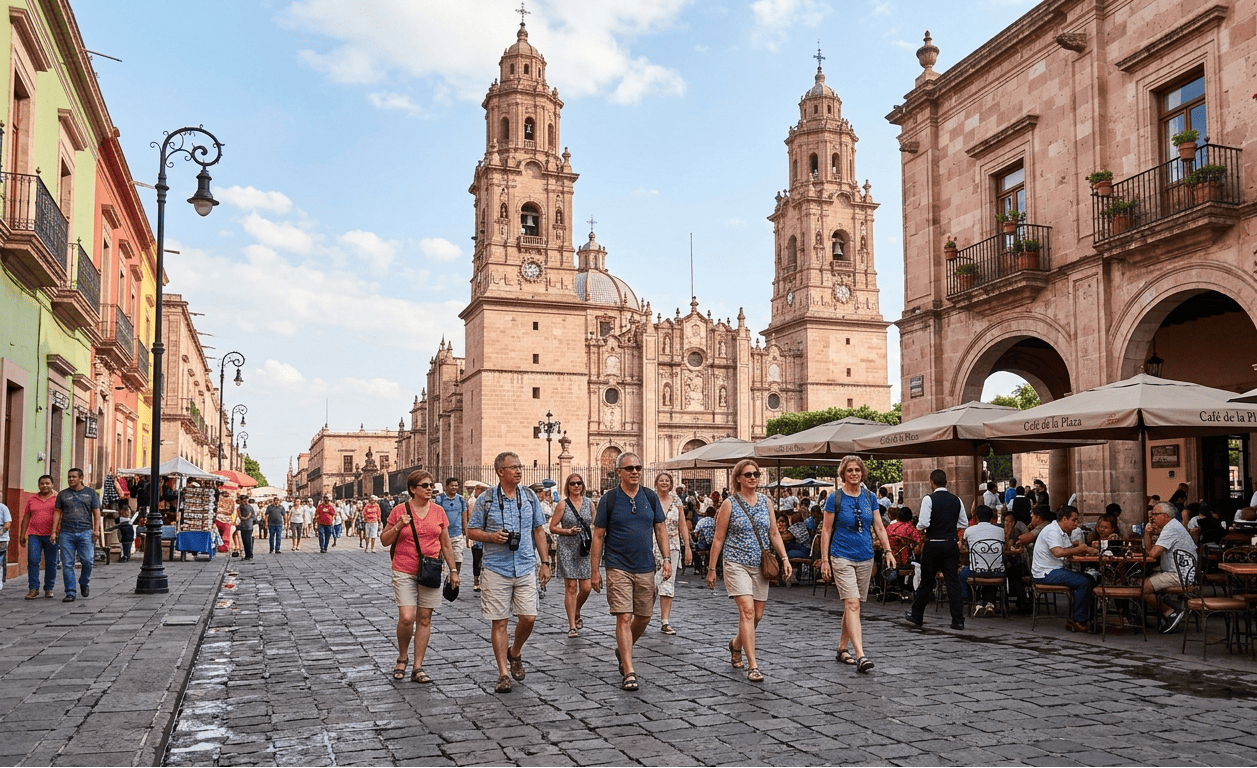
- Fastest Growing Destinations: Morelia leads the nation in growth projections with a 26.8% surge in expected hotel guests over summer 2025, followed closely by Mérida (+23.4%) and Acapulco (+20%).
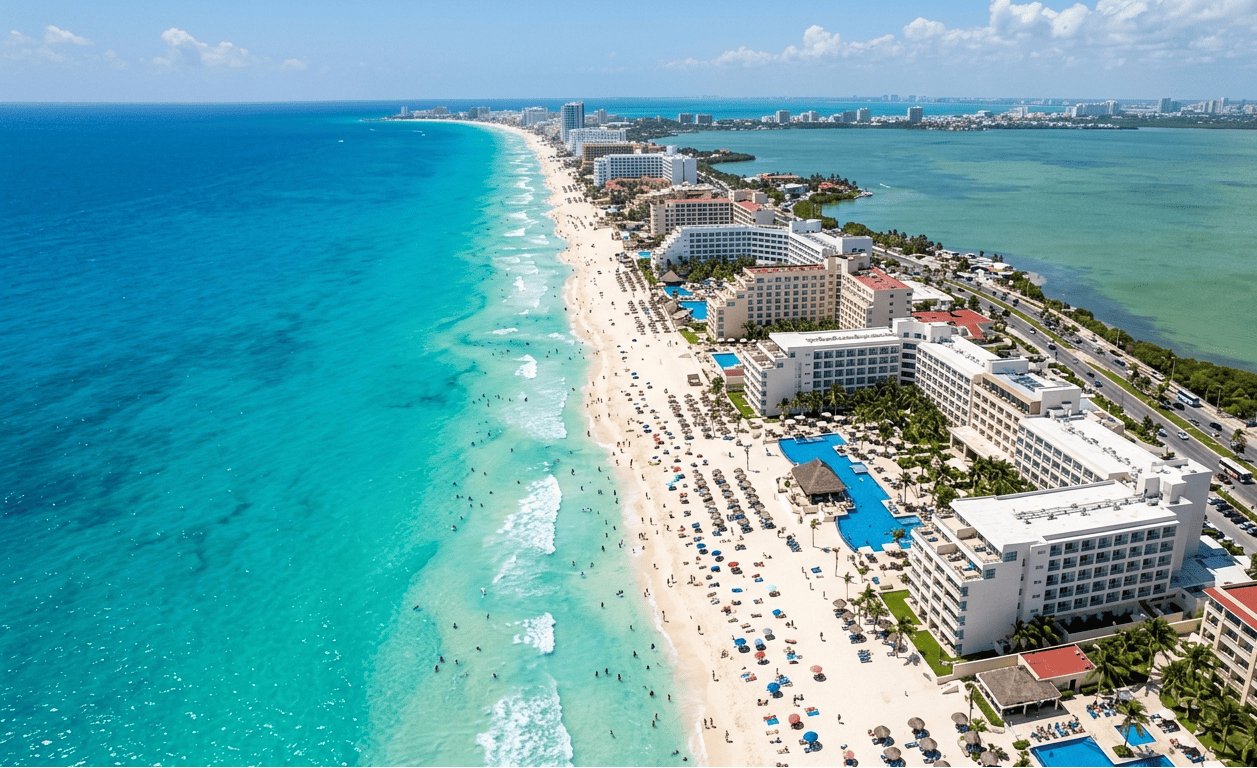
- Highest Expected Occupancy: Cancún is projected to record the highest average hotel occupancy rate in the country at 67.9%, followed by Puerto Vallarta at 64.4% and Morelia at 63.1%.
- Resort Destinations: Los Cabos projects an 8.7% rise in hotel arrivals, while the Riviera Maya, Mexico City, and Puebla are each expected to see steady 3% gains.
"These forecasts reflect travelers' sustained confidence in Mexican destinations and validate ongoing strategic investments to position tourism as a direct engine for community economic development," stated Josefina Rodríguez Zamora, Minister of Tourism.
Infrastructure and Flight Connectivity Fueling Expansion
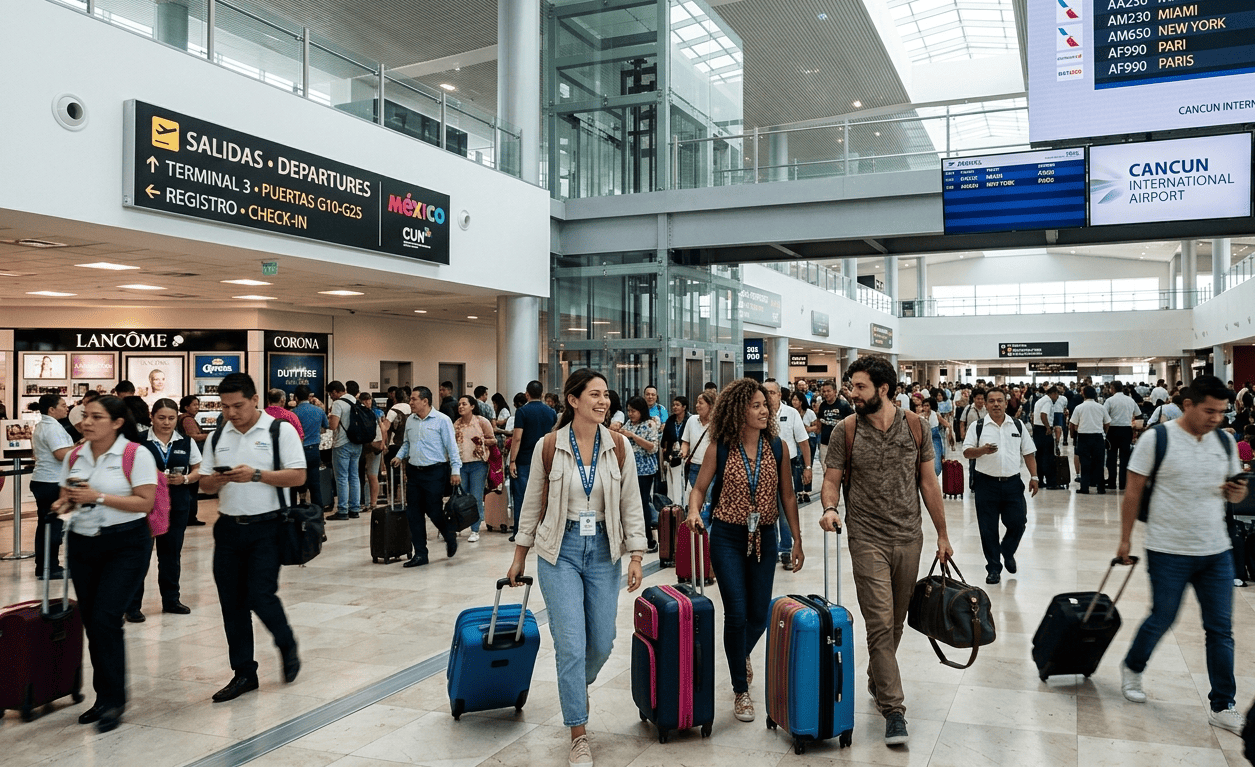
The summer surge follows significant structural momentum earlier in the year, including transatlantic route expansions connecting Mexican hubs directly with European and Latin American markets. Flight expansions into Cancún International Airport and updated regional transport networks have eased access to cultural corridors, encouraging longer stays and higher average spending per visitor.
In coastal areas such as Puerto Vallarta, municipal governments have launched dedicated public safety and emergency management programs—including local initiatives like Operation Lifesaver—to manage heavy visitor volumes across public beaches and commercial corridors.