
Lisbon Moves to Suspend Shared E-Scooter Services Amid Growing Safety and Public Space Concerns

Lisbon’s municipal leadership has officially proposed a suspension of shared electric scooter services across the capital. The move follows escalating concerns regarding pedestrian safety, reckless riding, and widespread public space congestion along the city’s historic walkways.
Mayor Carlos Moedas announced the initiative following growing pressure from local safety groups and public petitions calling for tighter restrictions on micro-mobility operators. The proposal aims to halt operations for app-based rental platforms while local authorities evaluate stricter regulatory frameworks and urban space management policies.
Skyrocketing Accidents and Sidewalk Clutter
The rapid expansion of app-based e-scooters was initially hailed as a key component of Lisbon’s green transit transformation. However, local authorities report that the sheer volume of devices—coupled with inadequate parking compliance—has turned the service into a major hazard on the city's iconic, narrow cobblestone streets.

According to municipal statistics, accidents involving e-scooters have surged dramatically over the past two years. The rise in incidents has strained local emergency services and generated frustration among elderly residents and mobility-impaired pedestrians navigating blocked sidewalks.
Details regarding urban transit updates and municipal ordinances can be viewed directly via the Lisbon City Council (Câmara Municipal de Lisboa).
A European Trend Toward Strict Regulation
Lisbon’s decision reflects a broader reassessment of dockless micro-mobility across major European capitals. Following Paris's referendum to ban commercial e-scooters and Madrid's revocation of operator licenses, European urban planners are increasingly shifting away from unregulated rental models.
While public advocacy groups like the Automobile Club of Portugal have pushed for resident input and structured referendums on urban mobility, the city administration maintains that immediate intervention is needed to restore order to public spaces.
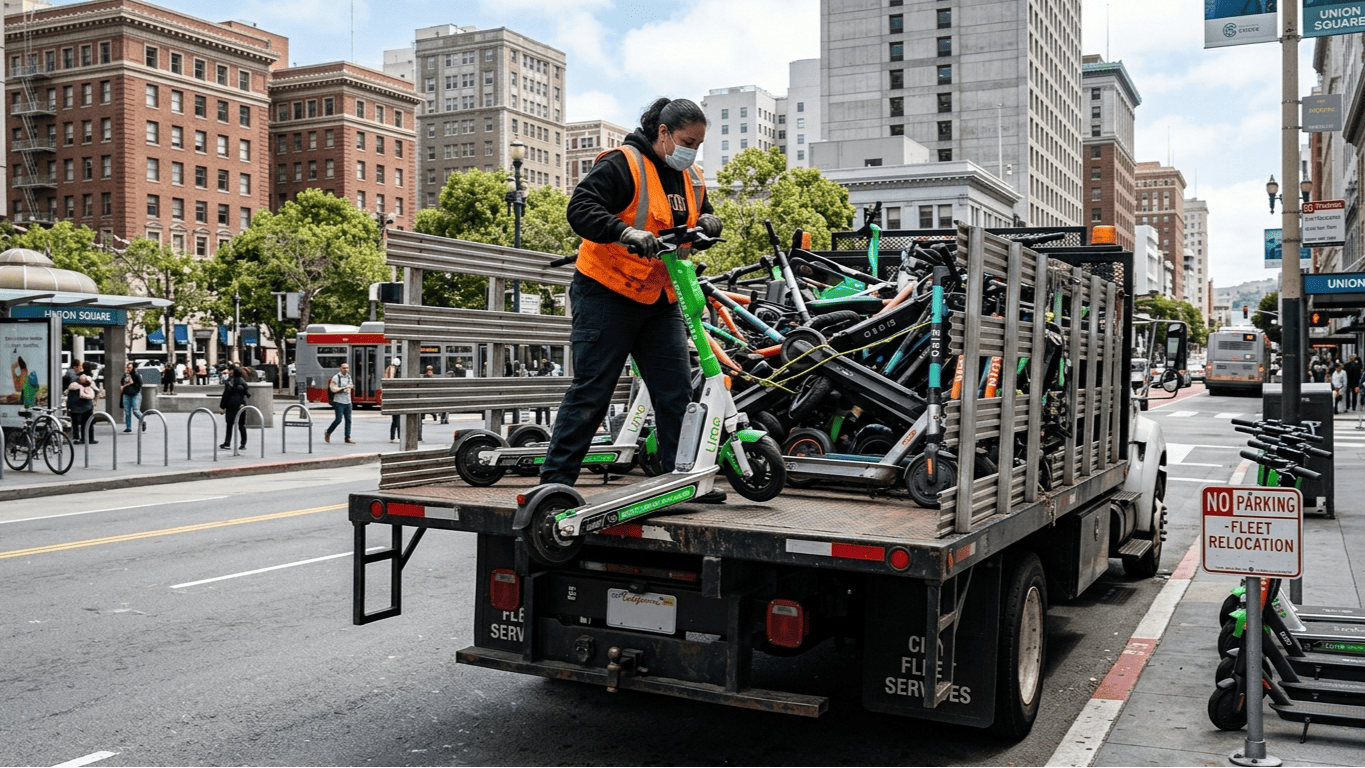
Operators in the city may face mandatory fleet reductions, enforced geo-fencing, or complete removal depending on final council votes and ongoing legal reviews.
Impact on Commuters and Tourism
The proposed suspension leaves thousands of daily commuters and international tourists looking for alternative ways to navigate Lisbon’s famous hills. While private e-scooters will remain legal under national traffic laws, the convenient "dockless" rental model will no longer be accessible in the city center once the suspension takes full effect.
In the interim, municipal officials are encouraging residents to utilize expanded public transportation networks, including expanded bus routes, metro lines, and dedicated municipal bike-sharing systems.
Key Takeaways for Residents & Visitors
- Primary Cause: High accident rates, pedestrian hazards, and improper parking cluttering historic streets.
- Scope: Applies exclusively to shared, app-based rental e-scooters; privately owned e-scooters remain legal.
- Next Steps: Municipal council votes and legal reviews to determine final operational guidelines and operator requirements.