Launchpad Tourism: China’s Rapid Commercial Space Expansion Spurs New Travel Boom
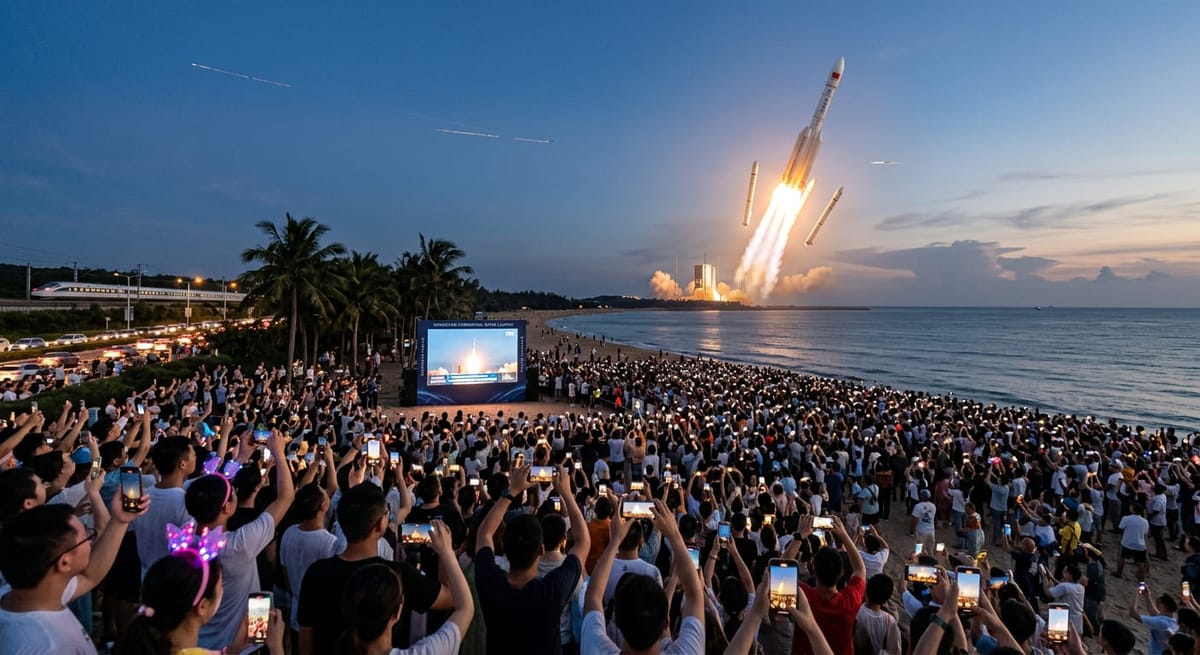
China's domestic travel landscape is expanding into the cosmos as state investments and private aerospace innovation fuel a burgeoning "space tourism" industry. Anchored by major infrastructure developments at the Wenchang Space Launch Site on Hainan Island, specialized spaceports, viewing reserves, and immersive aerospace theme parks are transforming rocket launches into major public spectacles.
This emerging sector reflects a broader push by domestic commercial firms to commercialize suborbital travel and high-tech aerospace attractions.
Launch Viewing and Aerospace Theme Parks Drive Footfall
Once restricted government operations, rocket launch missions have quickly evolved into premier public entertainment. High-profile satellite deployments and reusable rocket tests regularly attract tens of thousands of spectators to coastal viewing zones in Hainan and inland hubs near Jiuquan:
- The Hainan Commercial Spaceport: As China's primary coastal launch center, Hainan has integrated designated public observation platforms, luxury eco-resorts, and educational theme parks directly around the facility to capture surge demand during launch windows.
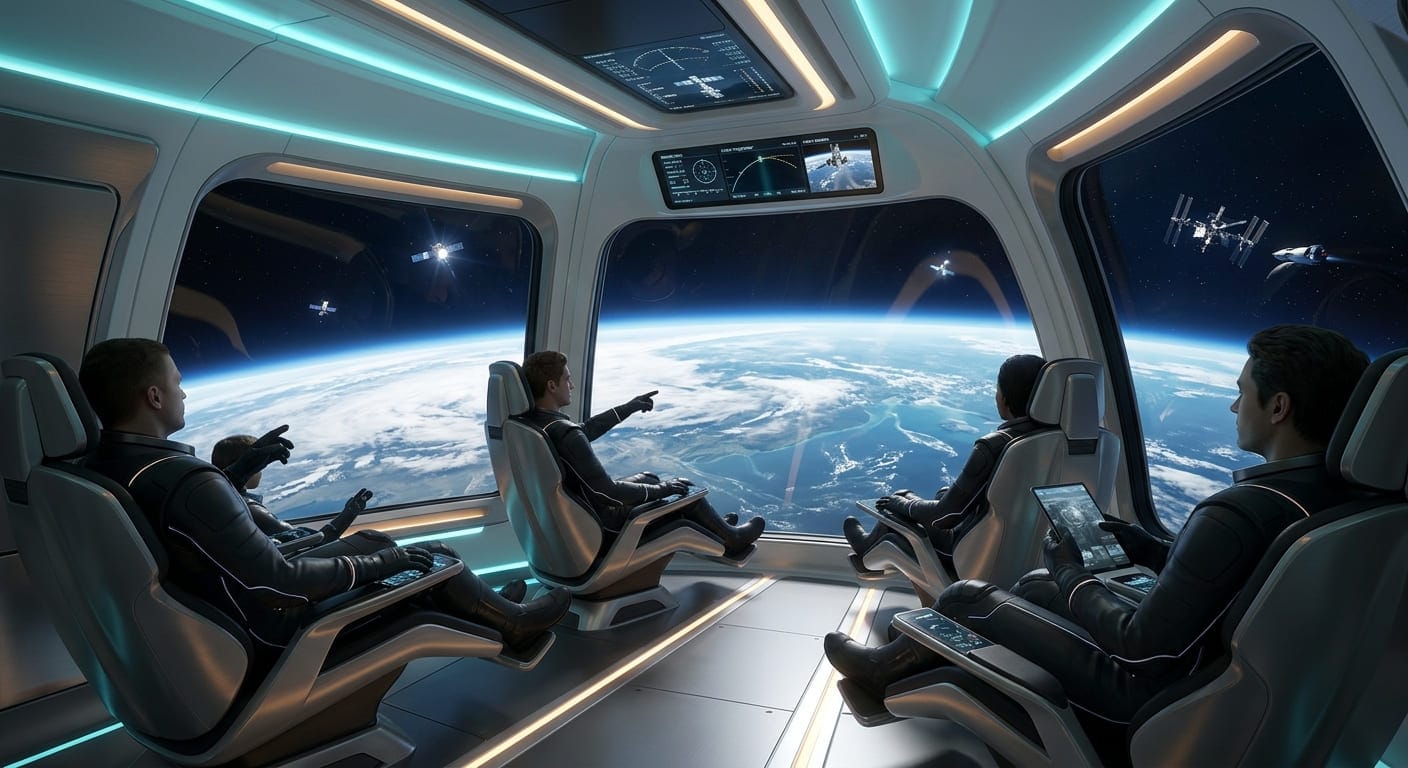
- Commercial Suborbital Bookings: Private firms like Deep Blue Aerospace and state-backed CAS Space have already opened ticket sales and reservations for suborbital passenger flights. These trips offer passengers weightlessness and panoramic Earth views at the edge of space.
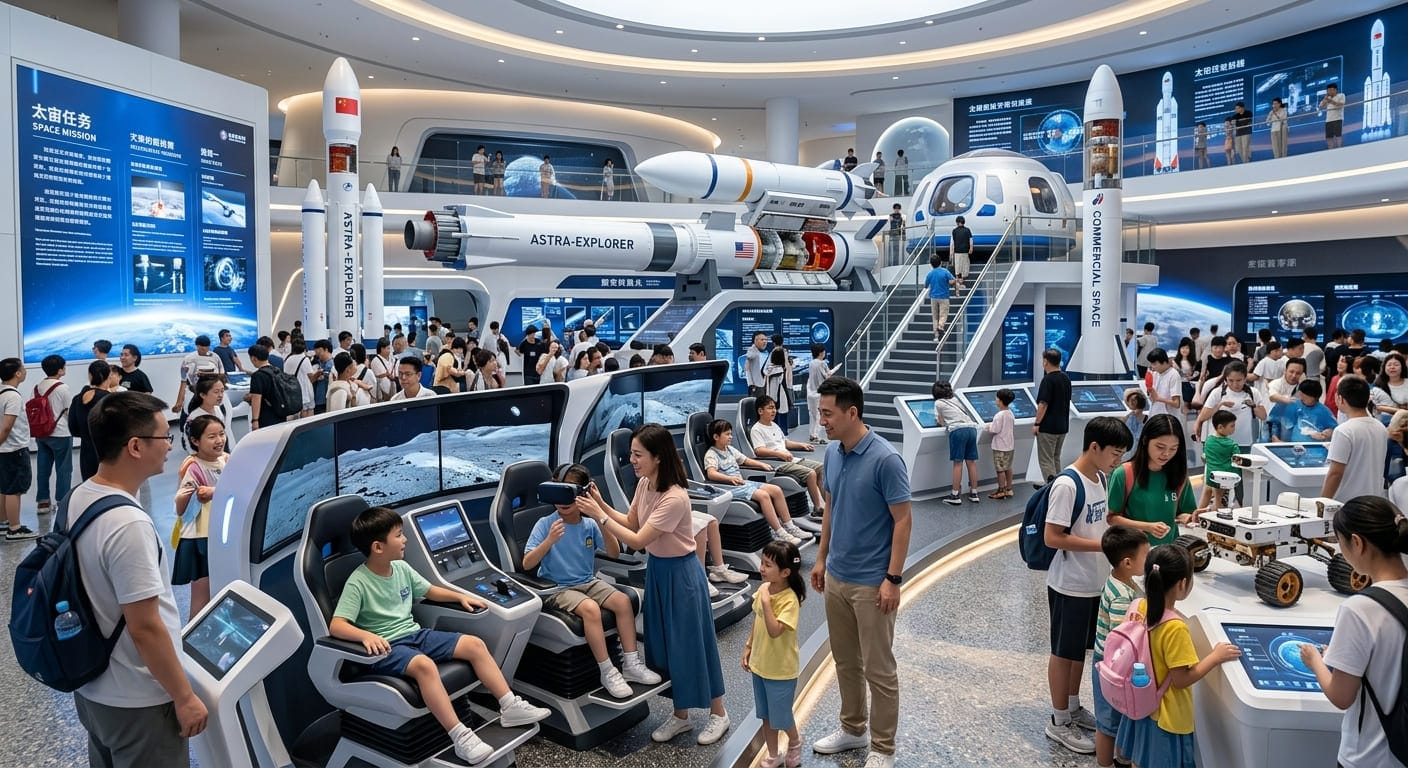
- Immersive Space Campuses: Interactive aerospace museums, high-tech flight simulators, and planetarium complexes are opening across key industrial centers, drawing family travelers, school excursions, and technology enthusiasts year-round.
Key Drivers Behind the Space Travel Craze
According to market analysts monitoring China's commercial aerospace sector, several developments are accelerating the transition from niche interest to mainstream tourism:
- Reusable Rocket Technology: Rapid advances in reusable launch vehicles are drastically lowering launch costs, making suborbital travel commercially viable for a broader market.
- Government Support & Infrastructure: Heavy provincial investment in transport, lodging, and viewing infrastructure near launch centers ensures local economies can handle sudden visitor influxes.
- Experiential Travel Demand: Domestic travelers are increasingly prioritizing unique, bucket-list experiences, driving high engagement for tech-forward and educational travel products.
Future Industry Outlook
As suborbital crewed flight programs near commercial operations, China's space tourism industry is poised to expand rapidly. Regional authorities and private operators continue to scale up capacity, building a comprehensive ecosystem that combines aerospace manufacturing, research, and public entertainment into a high-growth travel economy.