
Japan Venice and Bhutan pioneer radical new policies to reshape global tourism
Major destinations around the globe are moving beyond passive management toward active regulatory policy to combat overtourism. From Europe's historic waterways to East Asian mountain passes and Himalayan kingdoms, authorities are testing entry quotas, mandatory day-tripper fees, and high-value tariff models to protect fragile ecosystems and restore local quality of life.
Rather than aiming solely for record visitor counts, municipal leaders and national governments are focusing on visitor distribution, economic sustainability, and strict infrastructure protections.
Venice Expands Day-Tripper Access Fees and Zone Controls
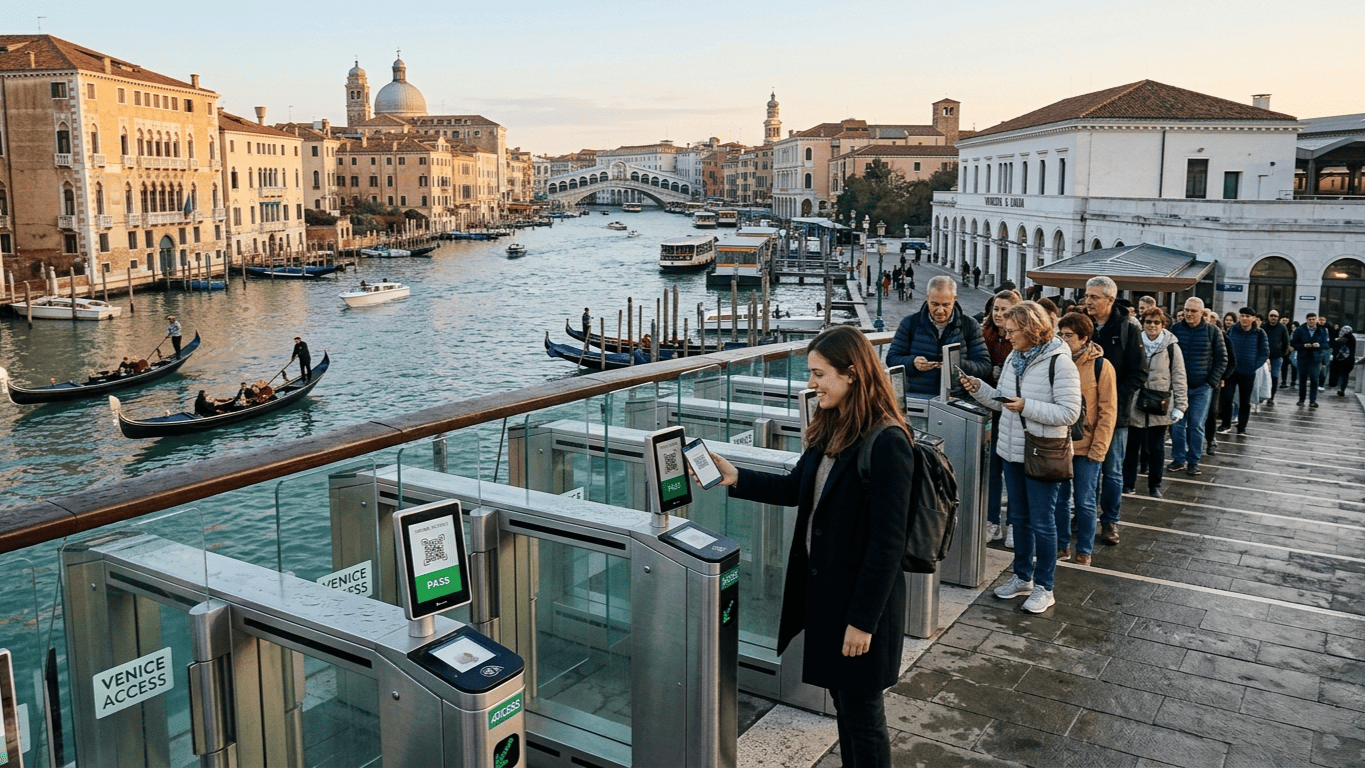
Venice has taken center stage in Europe's fight against urban crowding by expanding its pioneering day-tripper reservation system. The city requires non-overnight visitors to pre-register and pay an access fee on peak travel dates throughout the spring and summer season, utilizing digital check-points at major entry hubs like Santa Lucia railway station and Piazzale Roma.
City officials emphasize that the policy aims to curb disruptive day-time congestion without penalizing tourists who stay overnight in local hotels. Funds generated from the system help offset the enormous cost of maintaining Venetian infrastructure and heritage sites. Travelers looking to plan compliant journeys through the historic canal district can consult official updates via the Venice Access Fee portal to register and receive required entrance QR codes.
Japan Combines Entry Caps with Regional Redistribution
Japan has seen record-breaking arrival figures in recent years, prompting national and regional authorities to deploy targeted crowd control measures across key landmarks.
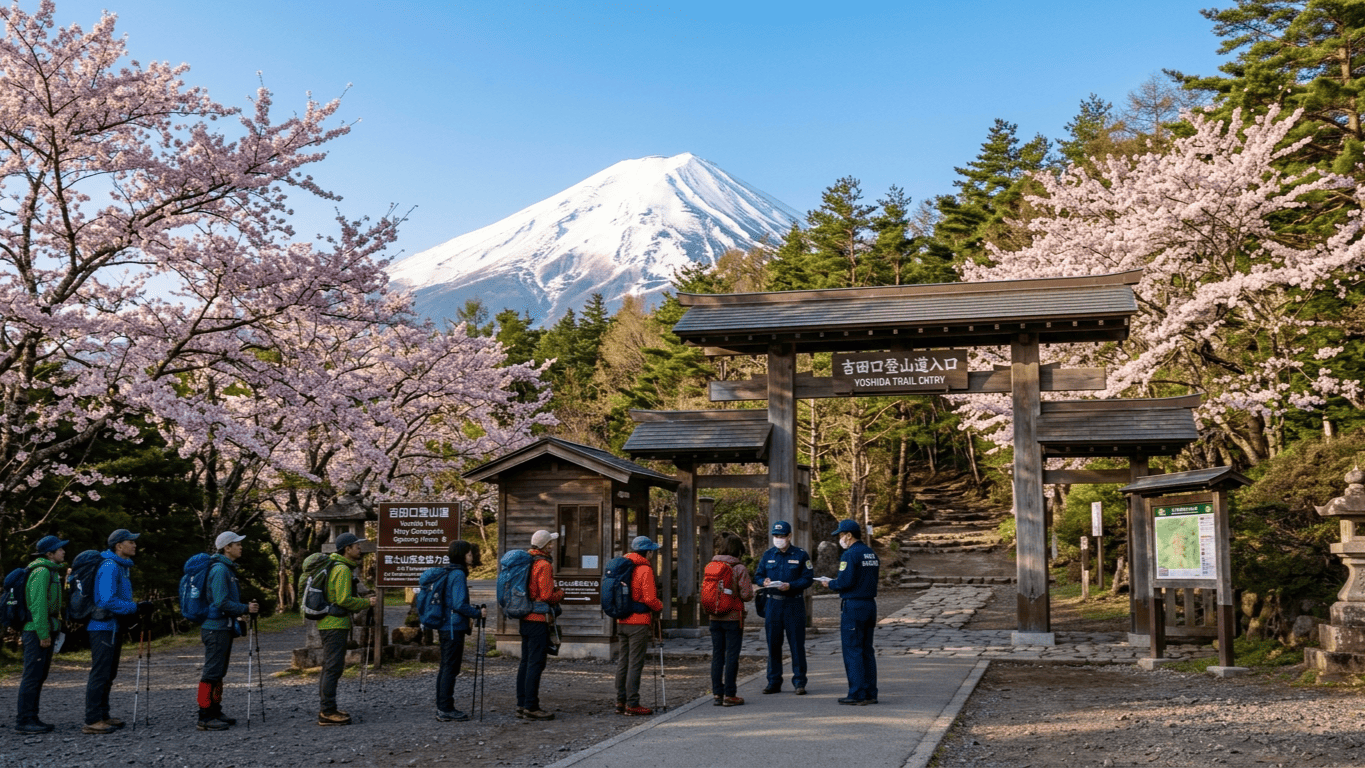
At Mount Fuji, officials implemented daily physical caps on the popular Yoshida Trail alongside mandatory hiking fees to curb dangerous "bullet climbing" and reduce trail degradation. Meanwhile, cultural capitals like Kyoto have introduced stricter behavioral guidelines, restricted access to private alleys in historic districts like Gion, and restructured local transport tariffs to ease municipal bus congestion. To encourage travelers to explore beyond the heavily congested Tokyo-Kyoto-Osaka corridor, official travel resources from the Japan National Tourism Organization now highlight lesser-visited secondary destinations such as Kanazawa, Takayama, and the San'in region.
Bhutan Refines Its High-Value Low-Volume Model
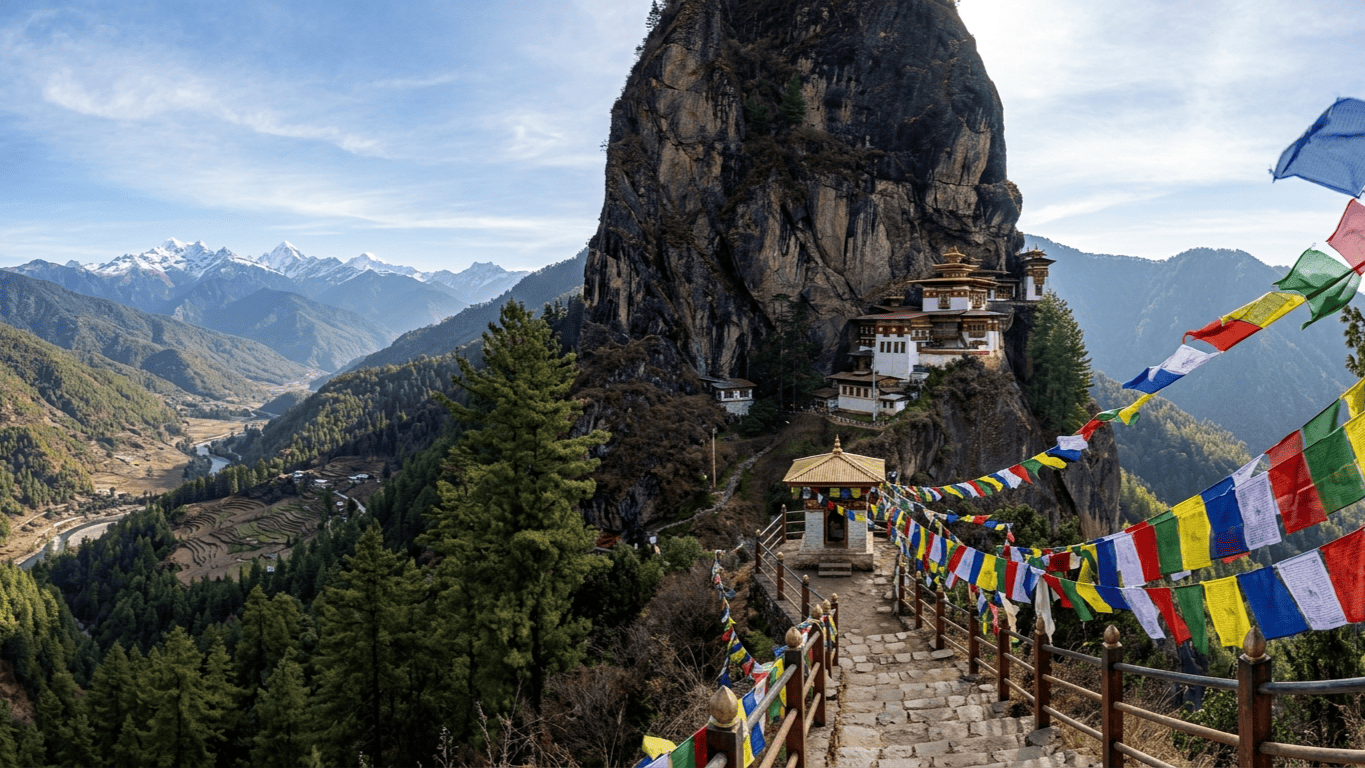
While destinations like Venice and Japan adapt to existing crowds, Bhutan offers a distinct blueprint centered on proactive volume restriction. For decades, the Himalayan nation has protected its environment and indigenous culture by charging international visitors a daily Sustainable Development Fee (SDF).
The funds raised through this levy directly support free healthcare, public education, carbon-neutral infrastructure development, and heritage conservation across the kingdom. By using dynamic pricing models to encourage longer, slower stays rather than brief, high-impact visits, Bhutan maintains one of the lowest environmental footprints per tourist in the global travel industry. Readers interested in learning more about the economic philosophy behind high-value travel policy can explore detailed regional insights on sustainable travel frameworks.
The Road Ahead for International Travel
The structural shifts underway in Venice, Japan, and Bhutan mark a permanent transition in international travel planning. As more destinations balance local resident well-being against economic income, travelers are encouraged to research local entry regulations early, embrace off-peak travel windows, and look toward alternative destinations.
How Overtourism Is Transforming Popular Destinations Worldwide
This informative overview examines how major cities and natural wonders are balancing high tourist volume with environmental protection and local quality of life.