Island Resurgence: Inside Sri Lanka’s $4.2 Billion Tourism Master Plan
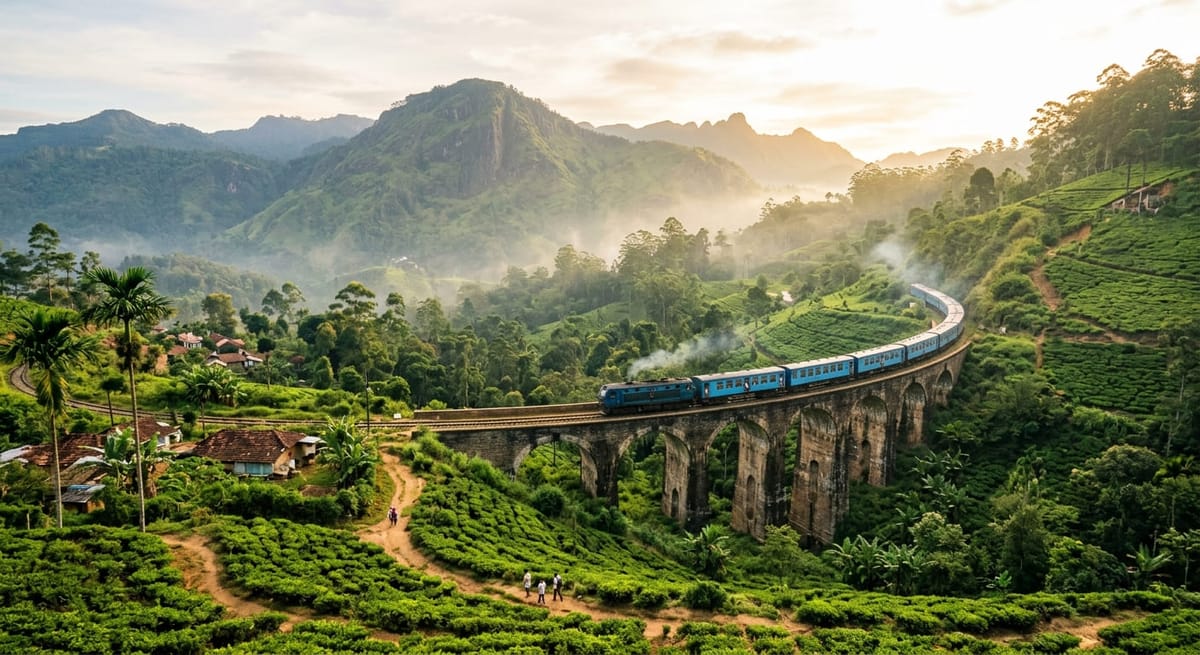
Sri Lanka is stepping into a bold new chapter for its travel economy. Moving past years of recovery, the island nation has launched a focused international push aiming to generate $4.2 billion in tourism revenue by attracting 2.7 million high-yield travelers.
Rather than chasing raw arrival numbers alone, officials are shifting strategy: driving up daily spend, enhancing boutique luxury offerings, and repositioning the destination as Asia’s premier hub for wellness, wildlife, and cultural immersion.
The $4.2 Billion Strategy: Focus on High-Value Travel
The core of the promotional push hinges on a multi-market digital and PR campaign targeting primary source markets, including India, the UK, Germany, China, Australia, and Russia. By capturing early winter bookings, the Sri Lanka Tourism Promotion Bureau (SLTPB) aims to lift average visitor spending significantly.
- Targeted Growth: Reaching 2.7 million arrivals in 2026, building a bridge toward a 3-million-visitor target.
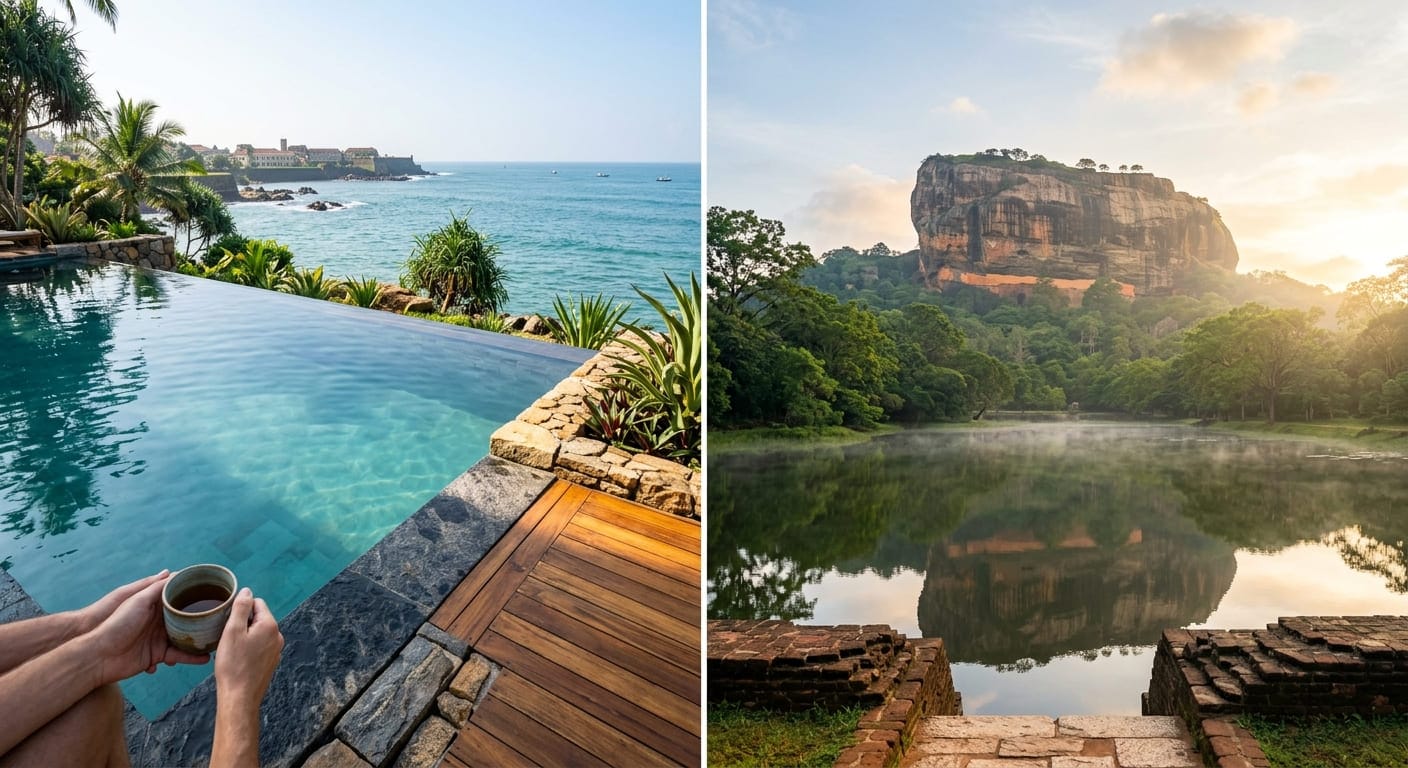
- High-Yield Sectors: Expanding MICE (Meetings, Incentives, Conferences, and Exhibitions) travel, luxury destination weddings, and boutique wellness retreats.
- Regional Hubs: Directing investment beyond Colombo toward coastal hubs like Galle and Mirissa, alongside highland destinations like Badulla and Ella.
To track regional destination standards and economic metrics, check updates from the World Travel & Tourism Council or explore UNESCO heritage preservation through UNESCO's World Heritage Centre.
Upgraded Infrastructure Meets Unrivaled Heritage
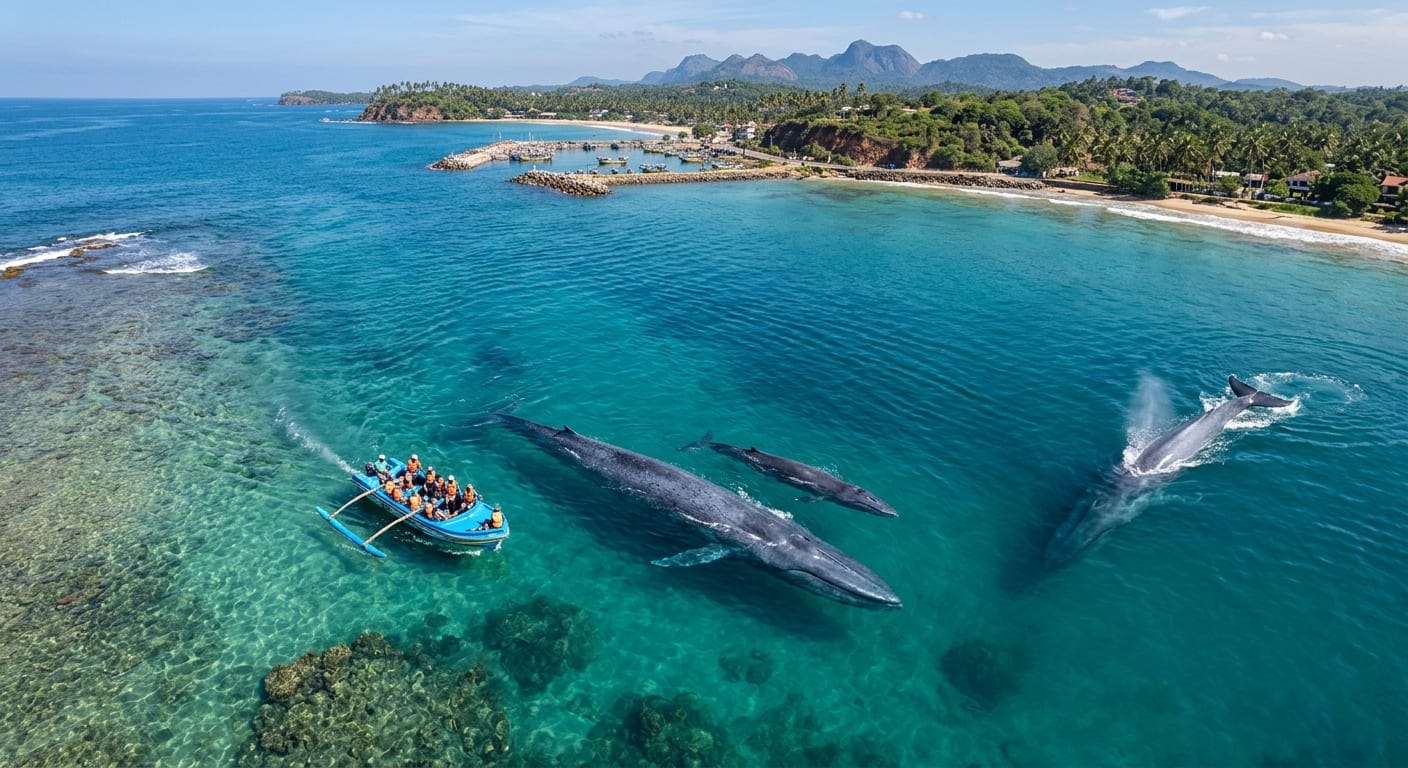
A major pillar of the strategy is enhancing visitor experience through sustainable luxury and seamless regional connectivity. Private sector confidence has rebounded, bringing forward hundreds of development proposals focused on high-end eco-lodges, wellness sanctuaries, and nautical tourism—such as whale watching and yacht charters along the southern coast.
Combined with rich cultural landmarks in ancient cities like Anuradhapura and Polonnaruwa, Sri Lanka is betting that its unique blend of accessible luxury and unspoiled nature will yield sustainable economic returns.