
Inside the 12.5 Billion Plan to Modernize U.S. Air Traffic Control
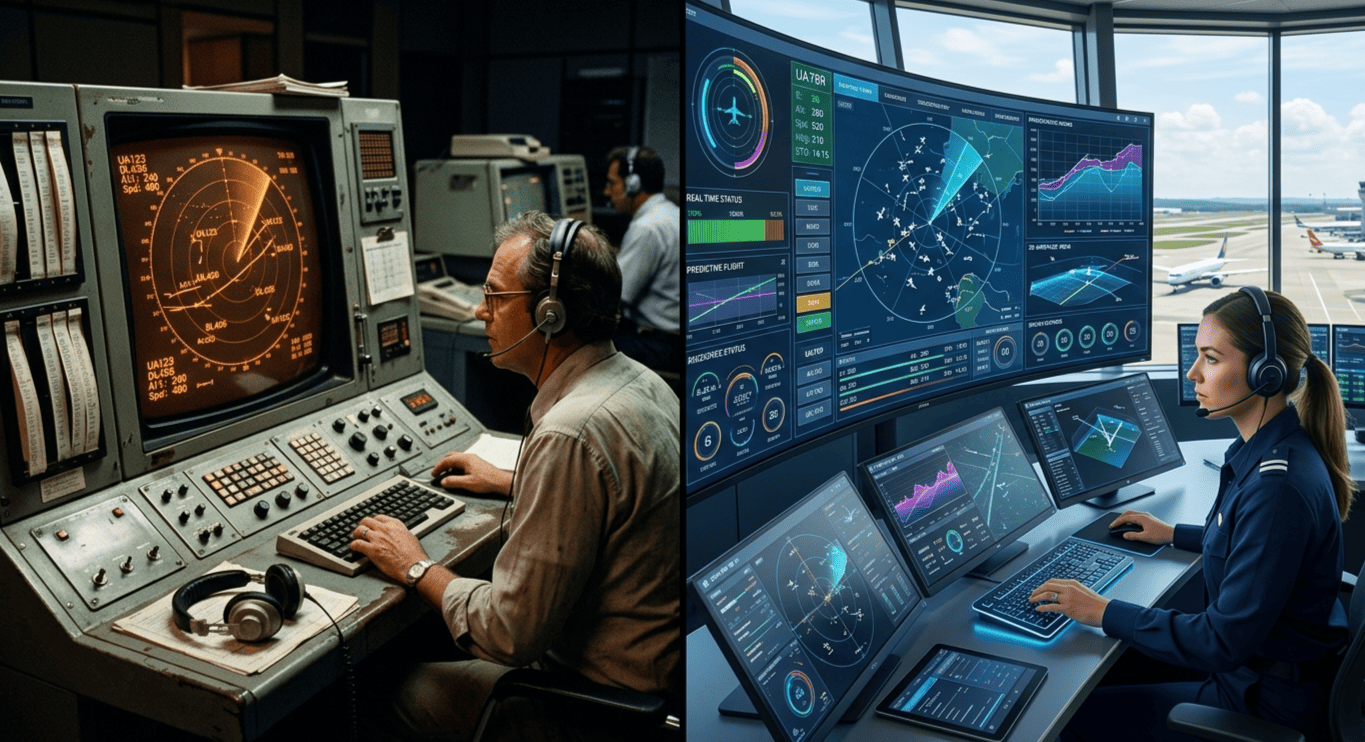
The U.S. aviation sector is stepping into a new era with a long-overdue $12.5 billion overhaul designed to rebuild the nation's air traffic control (ATC) infrastructure. Decades of reliance on legacy computer hardware, outdated radar systems, and copper wire connectivity have pushed national flight networks to their limits, resulting in chronic delays and increased operational stress.
The Federal Aviation Administration (FAA) is utilizing these allocated multi-billion-dollar funds to replace core systems with modern digital infrastructure. Key updates include replacing legacy radar with advanced satellite tracking, upgrading old copper lines to high-speed fiber-optic cables, and implementing modern software integrations to process real-time flight data. This initiative aligns directly with broader U.S. Department of Transportation goals to optimize airspace safety and increase daily system capacity.
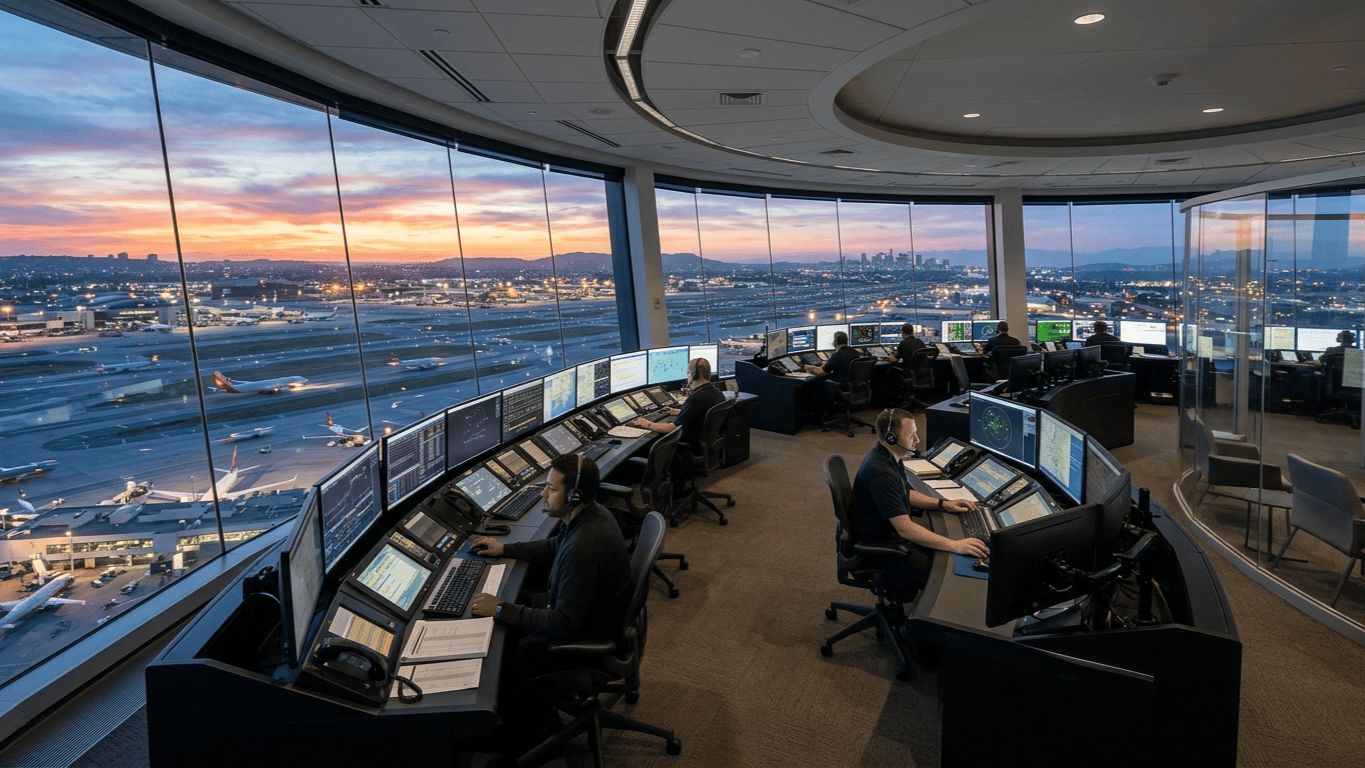
For travelers, the modernization promises fewer ground stops, reduced flight cancellations, and smoother overall journeys. Major commercial carriers stand to gain significantly from these operational improvements. According to research published by Airlines for America, modernized air traffic operations drastically reduce fuel burn, lower operational costs, and cut down carbon emissions across major flight routes.
While full deployment will take several years to complete, government oversight bodies like the U.S. Government Accountability Office are keeping close tabs on phase completion milestones to prevent budget overruns and operational bottlenecks. This $12.5 billion investment marks an essential leap forward in securing America’s position as a global leader in safe, efficient aviation.
You can learn more about how the Federal Aviation Administration is beginning its structural overhaul in this short video coverage on the initial rollout: FAA begins $12.5 billion air traffic control overhaul. This news clip outlines the project's key safety goals and implementation timelines directly from industry experts.