
Indonesia Shifts Focus to Drive Tourism Spending Beyond Bali
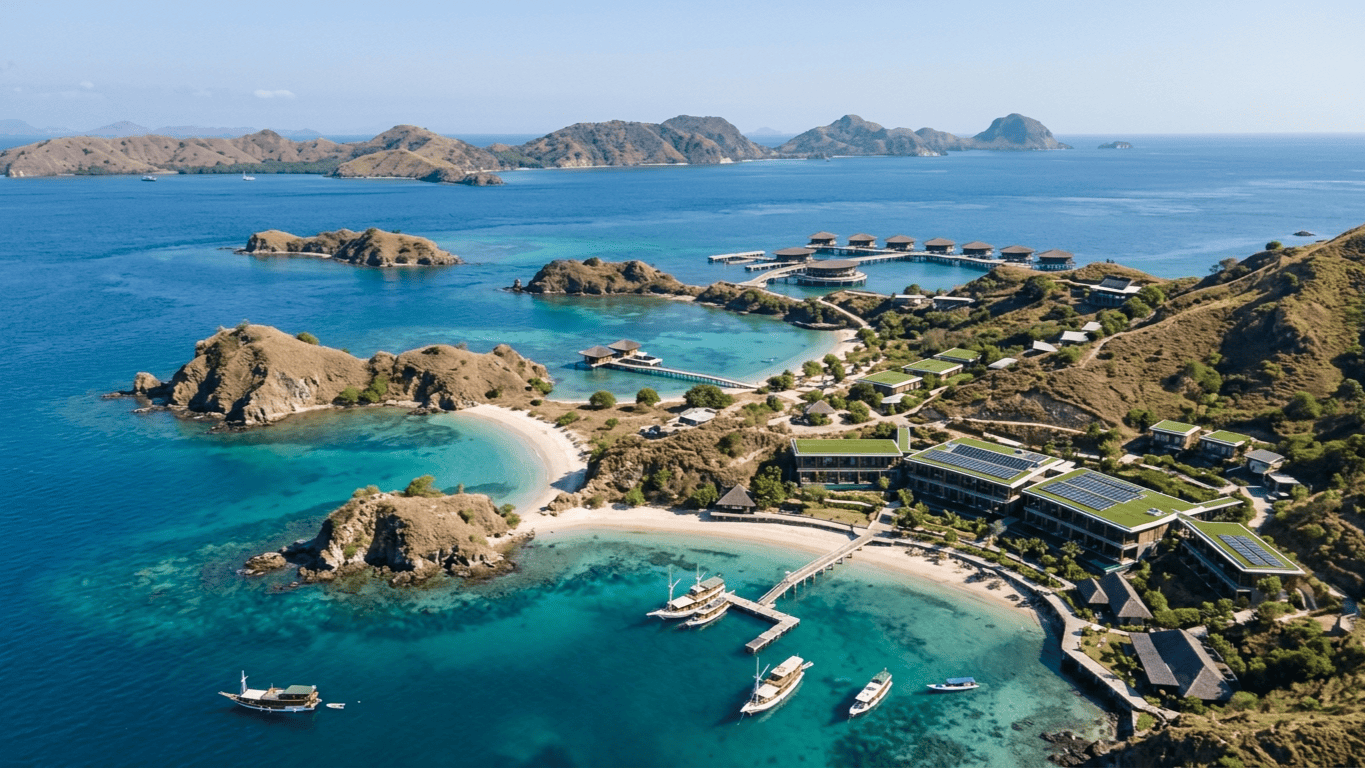
Indonesia is shifting its national tourism strategy to ensure travel spending reaches communities far beyond its traditional hot spots. While world-famous destinations like Bali continue to draw millions of international arrivals each year, government officials and industry leaders are ramping up efforts to direct economic benefits into lesser-known provinces, rural villages, and emerging cultural hubs across the archipelago.
The initiative comes as part of a broader push toward sustainable, high-value tourism. Rather than measuring success solely by arrival numbers, the country is prioritizing tourist length of stay, average daily expenditure, and the direct financial impact on local small businesses.
Spreading Economic Growth Across the Archipelago
For decades, international travel to Indonesia has been heavily concentrated in a handful of regions. Bali alone accounts for a major share of total foreign visitors, creating a stark contrast between saturated resort corridors and under-visited regional destinations rich in natural and cultural assets.
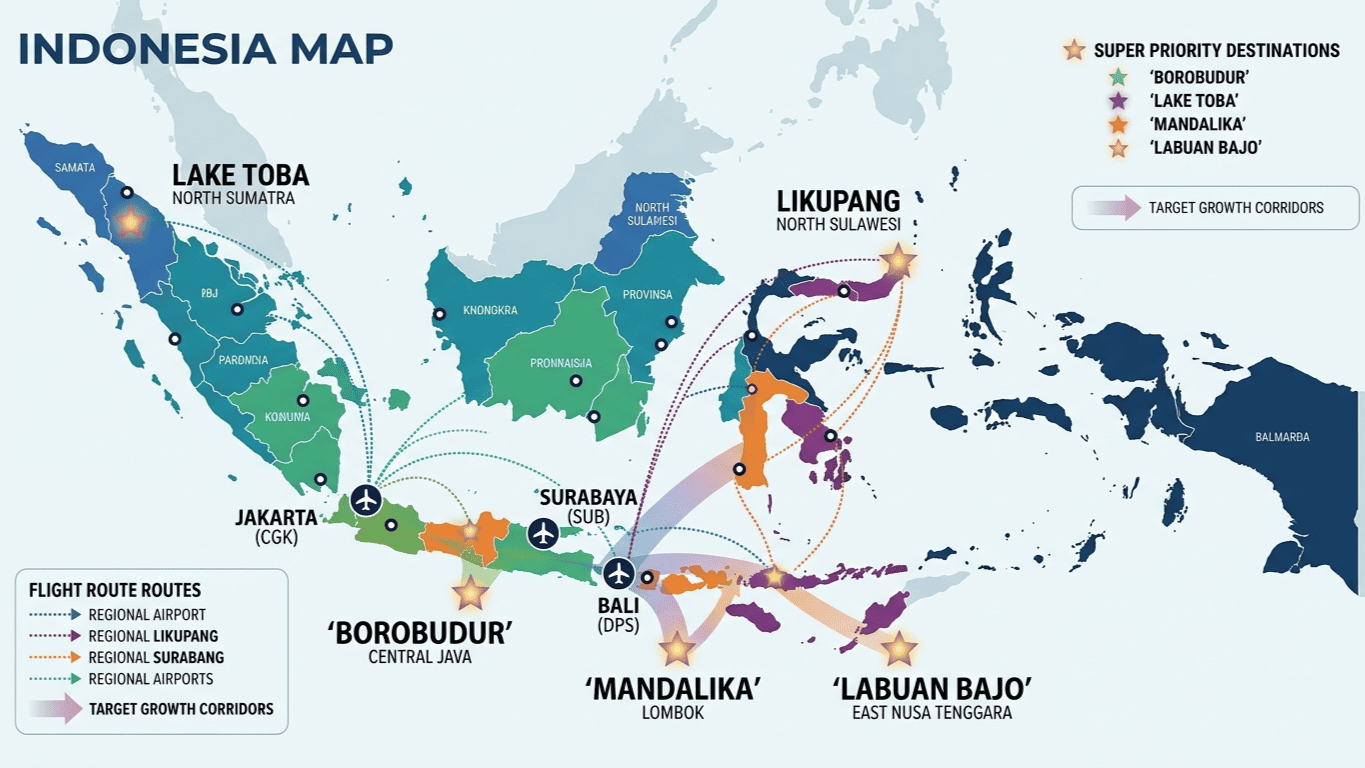
To balance this growth, the Ministry of Tourism and Creative Economy is accelerating development across the country’s designated "Super Priority Destinations," which include areas like Lake Toba in North Sumatra, Borobudur in Central Java, Mandalika in Lombok, Labuan Bajo in East Nusa Tenggara, and Likupang in North Sulawesi.
By expanding direct flight access, upgrading regional transport hubs, and offering targeted tax incentives for local hospitality ventures, the government aims to encourage travelers to venture off the beaten path. You can track official policy updates and regional development reports on the Ministry of Tourism and Creative Economy platform.
Target Audience and High-Value Travel Trends
The strategy heavily relies on attracting eco-conscious travelers, adventure seekers, and digital nomads who tend to stay longer and spend directly within local ecosystems. Rather than staying confined to large international hotel chains, these visitor segments actively seek out authentic experiences, staying in community-run homestays, hiring regional guides, and purchasing local crafts.
"The goal is not simply to pack more visitors onto an airplane," said a senior regional tourism coordinator during a recent industry forum in Jakarta. "It is about making sure that every dollar spent by a visitor directly supports a local family, preserves a cultural tradition, or protects a marine ecosystem."
To support this shift, local governments are partnering with international flight networks to establish new point-to-point routes, bypassing congested capital transit points and making secondary destinations significantly more accessible.
Investing in Infrastructure and Community Empowerment
A key pillar of the expansion plan involves upgrading basic infrastructure in remote areas. Improved roads, reliable high-speed internet access, and modernized sanitation facilities are essential for attracting both foreign visitors and long-term private investment.
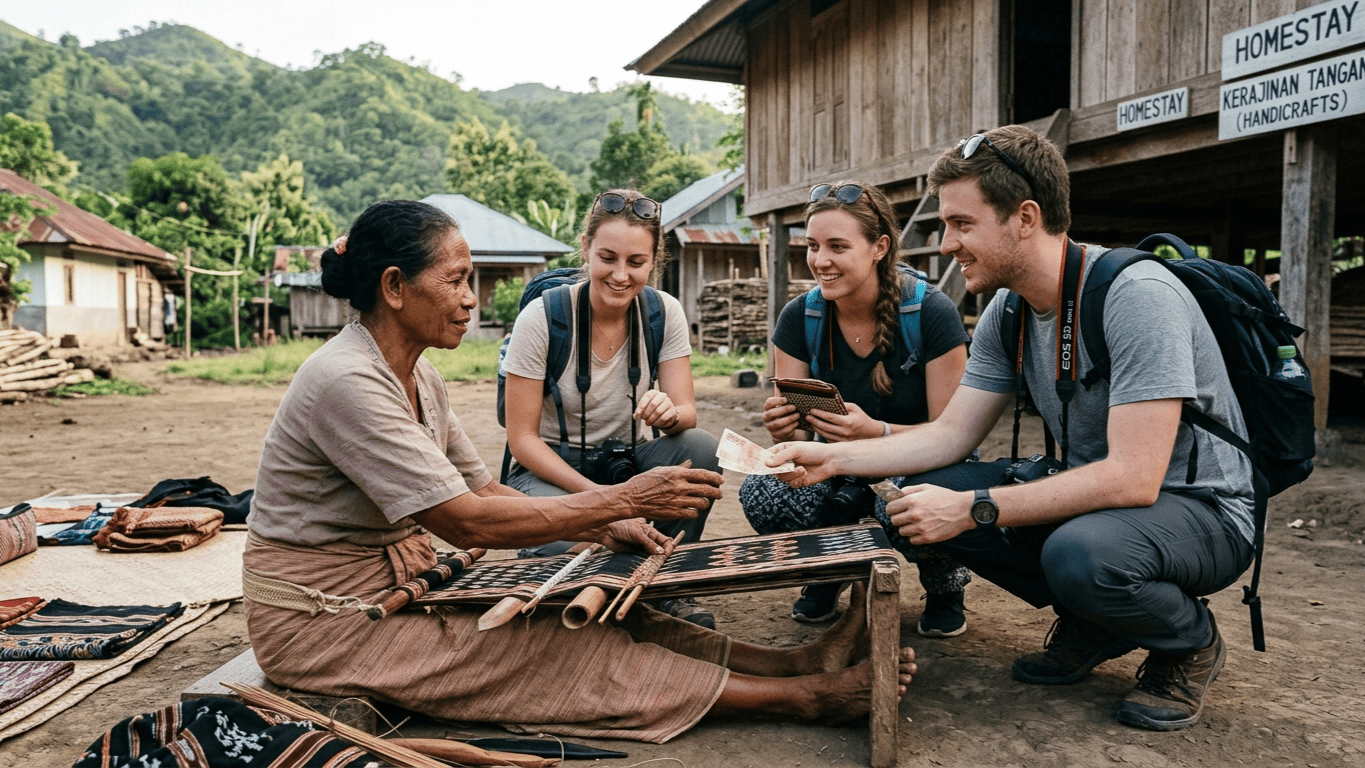
Simultaneously, regional authorities are rolling out hospitality training programs for local residents. These programs focus on eco-tour guiding, food safety standards, digital marketing, and language skills, enabling rural communities to operate competitive businesses without relying on external intermediaries.
For detailed statistical insights into tourist arrivals, economic metrics, and regional spending patterns, visit the official Central Bureau of Statistics Indonesia.
Looking Ahead: A Sustainable Vision for Indonesian Tourism
By encouraging travelers to explore the rich diversity of Indonesia’s thousands of islands, the nation is laying the groundwork for a more resilient tourism sector. Distributing travel spending evenly helps mitigate environmental pressures on over-visited hotspots while simultaneously serving as a powerful catalyst for rural economic development.
As global travel preferences continue to favor meaningful, sustainable, and culturally immersive experiences, Indonesia’s proactive shift promises to reshape how tourists experience the world's largest archipelago.