
Indonesia Puts Culinary Heritage at the Center of Global Tourism Push
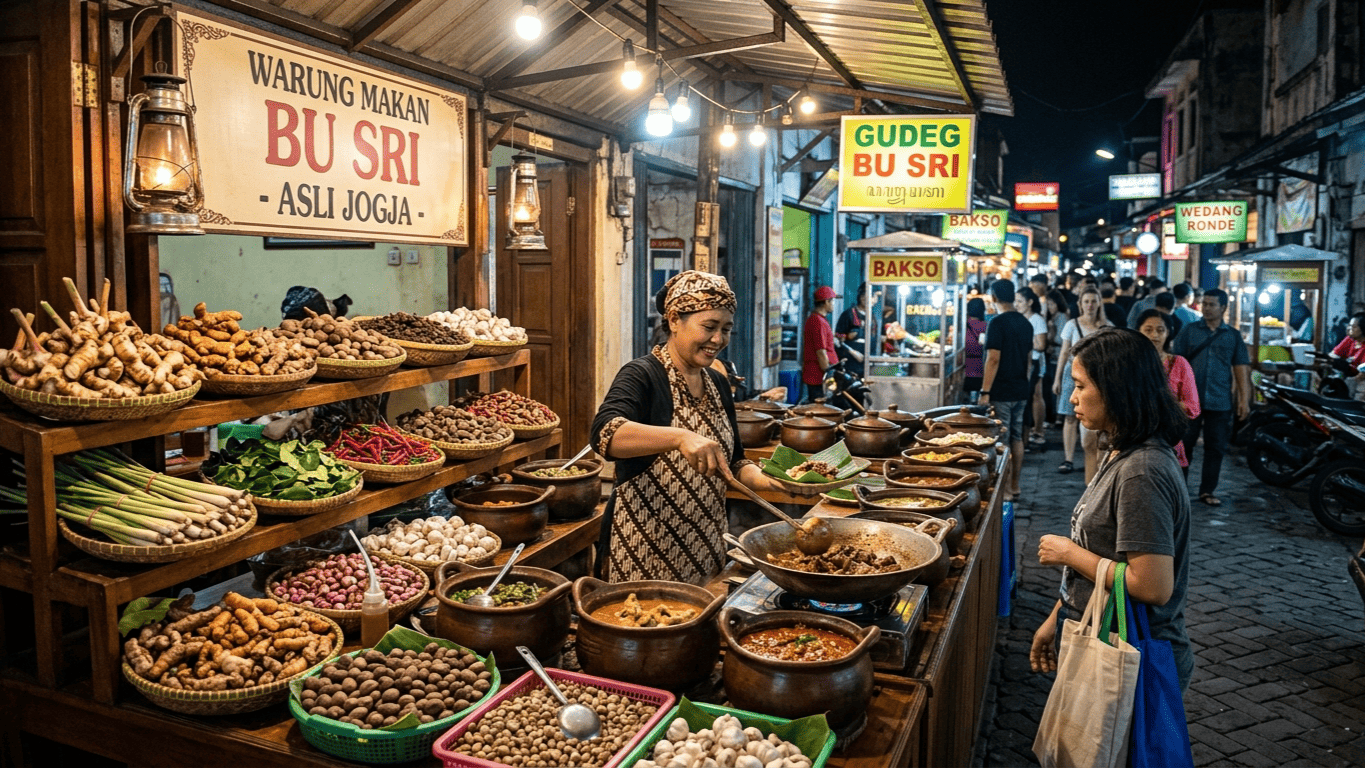
Indonesia is shifting its international tourism strategy by placing its rich, multi-island culinary heritage directly at the center of its brand positioning. Through the Wonderful Indonesia Gastronomy 2026 initiative, the country's Ministry of Tourism is inviting international travelers to explore the archipelago through its flavors, traditions, and local producers.
Rather than treating food as a secondary amenity, government officials and tourism planners are working to make culinary discovery a primary reason visitors choose Indonesia. With over 58% of foreign tourists already engaging in culinary activities during their trips, the push aims to spread tourism dollars beyond traditional hotspots like Bali and into cultural destinations across Central Java and beyond.
Connecting Heritage, Royal History, and Street Culture
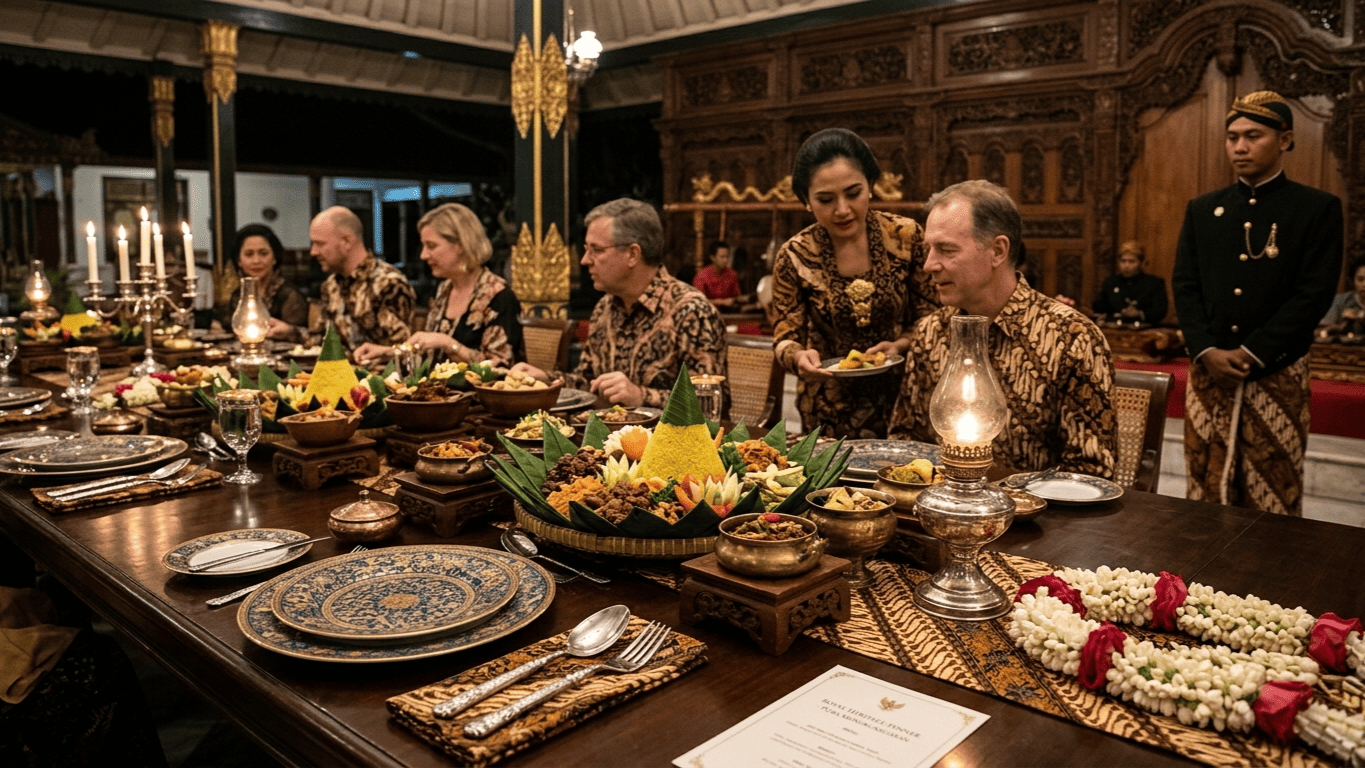
The latest phase of the campaign spotlights Central Java's cultural hubs—specifically Solo and Yogyakarta—combining high-end royal heritage dining with accessible street food culture.
Among the initiative's flagship events:
- Royal Heritage Dining: A ceremonial dinner held at Pura Mangkunegaran in Solo, linking historical Javanese recipes directly to the traditions of the royal complex.
- WIG Artisan Market: Hosted at the Grand Hotel De Djokja, bringing together over 20 local food producers, spice artisans, and specialty coffee growers to connect with international buyers and travelers.
- Guided Food Walks: Collaborative walking tours with local community guides leading visitors through neighborhood markets to experience daily culinary traditions.
International food critics, media representatives, and industry leaders from organizations like UN Tourism have been participating in curated culinary journeys through Central Java to bring Indonesia's food culture to global audiences.
Empowering Local Producers Across the Archipelago
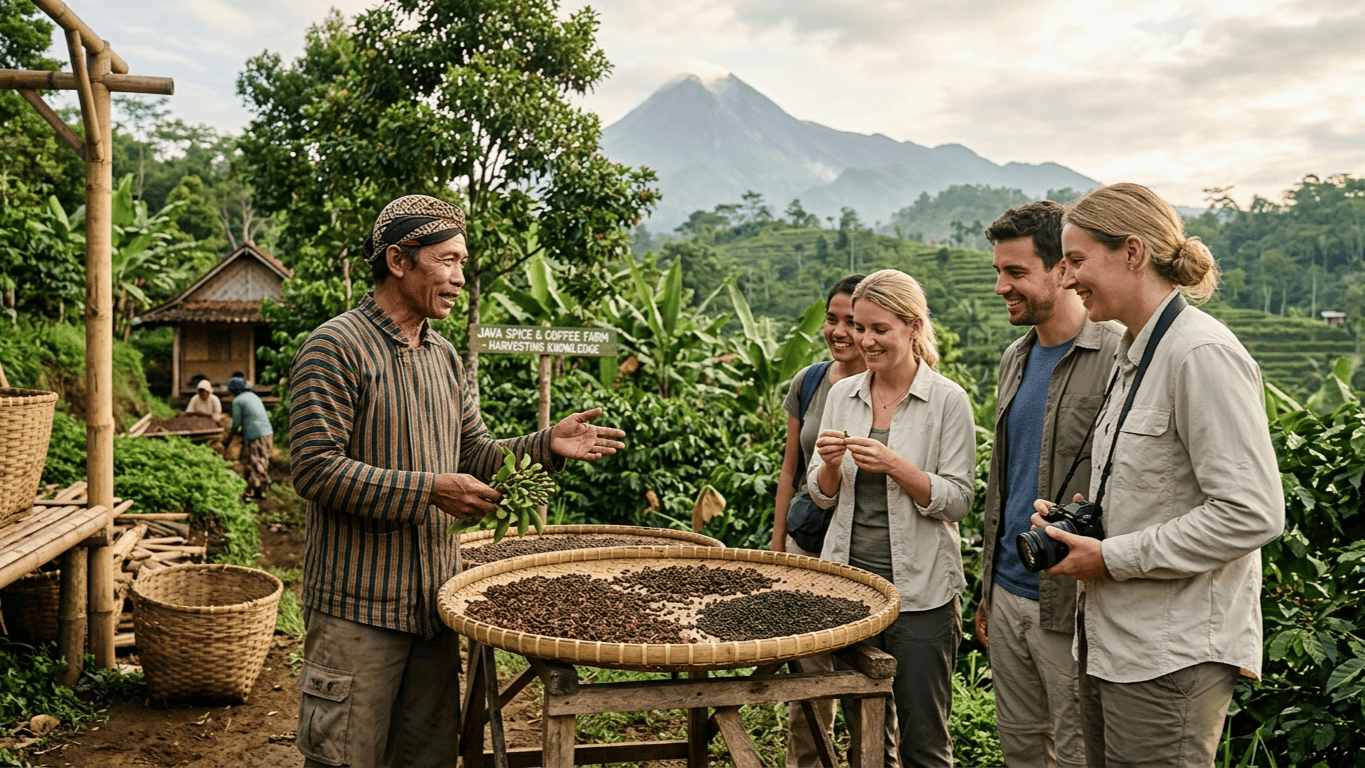
A core objective of Indonesia's food tourism model is connecting travelers directly with the people behind the ingredients—from smallholder spice farmers and coastal fishermen to family-run eateries.
By developing structured food trails and showcasing regional specialties like Rendang, Soto, and local herbal Jamu preparations, the government aims to create economic opportunities across rural farming communities and urban markets alike.
Tourism leaders point out that expanding gastronomy tourism provides a sustainable model for economic growth. Following strong early results from inaugural culinary showcases, Indonesia is targeting up to 17 million foreign tourist arrivals annually, using food as a bridge to introduce travelers to deeper cultural experiences across its 17,000 islands.